


Table of Contents
India's home summer begins in June with Afghanistan touring for a one-off Test and a three-match ODI series, and the squads announced for both formats carry several selection stories that go well beyond the fixtures themselves.
KL Rahul has been named as the new Test vice-captain, Rishabh Pant has been dropped from the ODI squad, Ravindra Jadeja has been left out of both formats entirely, and both Rohit Sharma and Hardik Pandya remain subject to fitness clearances before their availability for the ODI leg can be confirmed.
The Test squad and what KL Rahul's vice-captaincy signals
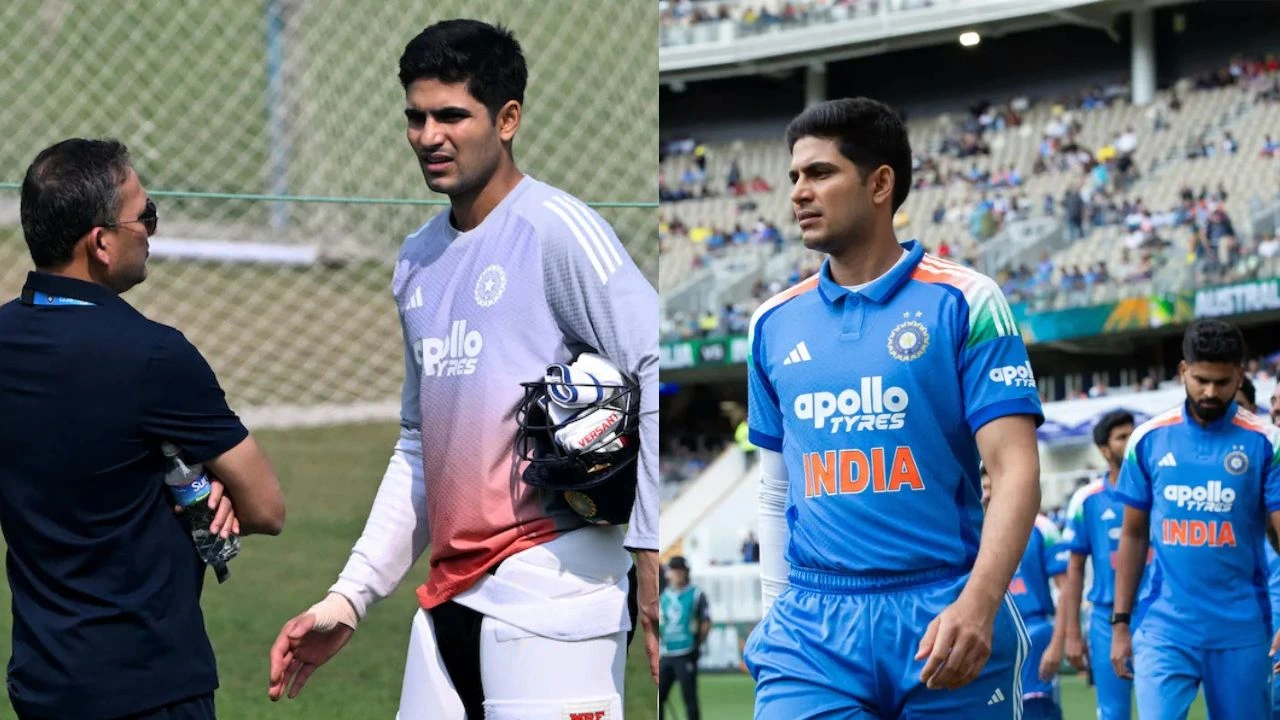
Shubman Gill leads the Test side with KL Rahul now formally installed as his deputy, a development that represents a clear statement of intent from the selectors about where they see the leadership structure of Indian Test cricket heading.
Rahul's elevation to Test vice-captain reflects both his seniority and his continued value to the red-ball setup, and his IPL 2026 form, one of the tournament's leading run-scorers, will have done his cause no harm.
Bumrah's rest is a straightforward workload management call given his IPL season, though his absence creates genuine selection interest around the pace bowling composition. Akash Deep is also out, leaving the fast bowling options more developmental in nature.
Manav Suthar and Gurnoor Brar receive maiden Test call-ups, Suthar a left-arm spinning all-rounder and Brar a fast bowler, alongside left-arm spinner Harsh Dubey, whose inclusion alongside Washington Sundar and Kuldeep Yadav gives India a substantial spin resources for what figures to be a surface that will turn.
Selectors are giving Dhruv Jurel an extended run as the primary red-ball wicketkeeper after Rishabh Pant. Jadeja and Axar Patel's omissions from the Test squad are the selections that will generate the most discussion, both left-arm spinning all-rounders have been fixtures in Indian Test cricket for years, and their simultaneous absence suggests a genuine shift in selection thinking rather than simple rotation.
The last time India played Test cricket was the 2-0 defeat to South Africa at home last November, which makes this a significant opportunity to reset both personnel and combination before the next major Test cycle begins.
The Test will be played at the New PCA Stadium in New Chandigarh from June 6 to 10.
India and Afghanistan's Test history
India and Afghanistan have played exactly one Test match against each other in Bengaluru in 2018 and the result was as comprehensive as any in recent memory. India won by an innings and 262 runs inside two days.
That is the entire head-to-head record between the two nations in the longest format, which means Afghanistan arrive in New Chandigarh in June with eight years of motivation built up since their only previous attempt.
They are, it should be said, a considerably more developed Test side in 2026 than they were in 2018 Rashid Khan's bowling remains world-class at any level, and their top-order batting has matured through consistent exposure to international cricket. The margin of 2018 will not be the reference point this time. Though India at home, on a surface likely to assist spin, with Kuldeep and Suthar and Sundar and Dubey all available, remain significant favourites.
ODI squad and the selection calls that matter for World Cup 2027 cycle
The ODI squad brings back Rohit Sharma and Virat Kohli at the top of the order, with Shreyas Iyer named as vice-captain. Pant's omission from ODIs is the headline decision in the fifty-over format Ishan Kishan takes the wicketkeeping responsibilities, and it suggests the selectors have made a considered choice about their ODI balance rather than simply rotating players.
With a World Cup cycle in view, these decisions accumulate significance beyond a three-match home series. Prince Yadav's inclusion after his impressive IPL 2026 campaign with LSG, among the tournament's leading wicket-takers, is the reward for franchise cricket form being recognised at international level.
Jadeja's absence from the ODI squad, alongside his Test omission, makes his international position the most pressing question emerging from these announcements. Rohit and Hardik both remain subject to fitness clearance.
The multi-format series schedule and what three home matches against Afghanistan means
The three-match ODI series begins in Dharamshala on June 14, moves to Lucknow on June 17, and concludes in Chennai on June 20. Afghanistan have become a genuinely competitive fifty-over side with Rashid Khan capable of making any batting lineup uncomfortable in subcontinental conditions.
For players like Sai Sudharsan, Devdutt Padikkal, and the newly called-up Gurnoor Brar who are building international profiles, the home series provides both a platform and an examination. India will be expected to win comfortably across both formats.
The interest lies in what the performances reveal about selection priorities for the bigger assignments ahead and the squads announced today suggest the selectors are thinking about those bigger assignments very deliberately.
India Test squad for Afghanistan series:
Shubman Gill (c), Yashasvi Jaiswal, KL Rahul (vc), Sai Sudharsan, Rishabh Pant, Devdutt Padikkal, Nitish Kumar Reddy, Washington Sundar, Kuldeep Yadav, Mohammed Siraj, Prasidh Krishna, Manav Suthar, Gurnoor Brar, Harsh Dubey, Dhruv Jurel (wk)
India ODI squad for Afghanistan series:
Shubman Gill (c), Rohit Sharma, Virat Kohli, Shreyas Iyer (vc), KL Rahul, Ishan Kishan, Hardik Pandya, Nitish Kumar Reddy, Washington Sundar, Kuldeep Yadav, Arshdeep Singh, Prasidh Krishna, Prince Yadav, Simranjeet Singh Brar, Harsh Dubey
