


Table of Contents
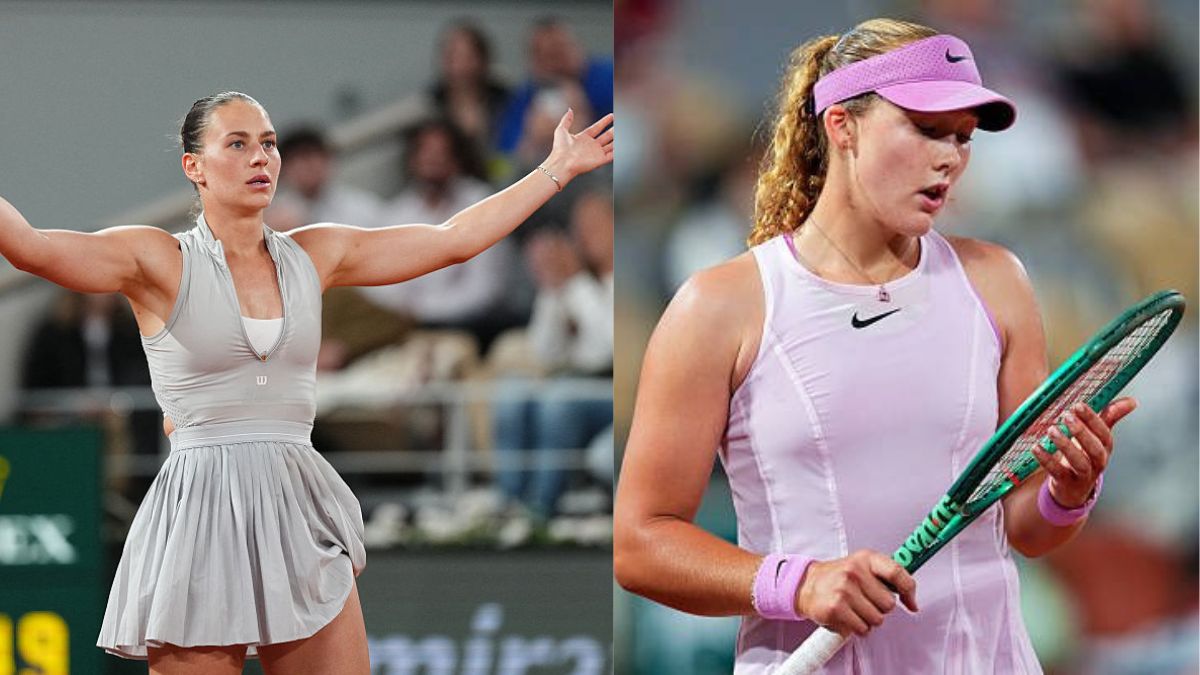
Drama unfolds on clay more easily when history presses close. This time, the court holds two players whose countries are torn apart by a conflict older than their own rivalry. Marta Kostyuk steps in from Ukraine, her path shaped by forces beyond sport. Across the net waits Mirra Andreeva, representing Russia, where choices are tangled with politics no athlete asked for.
The match matters less than what it mirrors - a war still burning, unseen but never absent. Lives shift because of decisions made long before these points began. Four years since the invasion, yet the tension remains stitched into every serve and return.
Each time Kostyuk plays, it means something beyond points, titles, or major wins. When Andreeva steps onto the court, her task stays clear - tune everything else out, stay locked into the game. This semifinal pairs two rising forces in tennis, yet behind them looms a political backdrop they didn’t choose. From different paths, both carry weights larger than the scoreboard shows.
Marta Kostyuk continues to speak out
Marta Kostyuk and Mira Andreeva step into Paris after facing off in a clash that quietly defined their season months ago.
She lifted the trophy at the Madrid Open, beating her opponent from Russia in the championship match, the biggest win so far. Every time athletes from Ukraine face those from Russia these days, one thing stays the same: no handshakes once it's over.
From the moment Russia launched its large-scale war in 2022, Ukrainian athletes stopped shaking hands after matches with rivals from Russia or Belarus. Their refusal stands as a quiet protest tied directly to the war.
Though small in gesture, it carries weight through silence rather than words. Each time they turn away, it reflects a choice shaped by events far beyond the field. Not anger alone drives this; it’s in alignment with something larger. Because of what has happened, normal routines feel impossible now. So they stand apart, without touch, while eyes watch closely.
If they face off once more, the pattern likely holds firm - this time under bright lights where big matches unfold.
Marta Kostyuk's mission beyond the court
Marta Kostyuk stands out because she talks more about the war than most players do. She is 23 and often speaks up about what people in Ukraine go through. A few days before the event started, it came out that a missile hit just 100 metres away from where her family lives in Kyiv - part of yet another round of strikes.
Speaking up matters deeply to Kostyuk; it's less about wanting to, more about needing to. What drives her isn’t preference, it’s duty. Out loud becomes non-negotiable when silence weighs too much. Her voice stays active because staying quiet feels wrong. To keep talking, that’s simply how she moves through the world.
For her, talking things through matters so people worldwide keep feeling the weight of the crisis and what it brings. Without ongoing conversation, numbness might take hold when facing war and fallout.
Every time she wins at the French Open, thoughts of Ukraine fill her mind. On the court, pain from home turns into fuel, pushing her forward each match. What happens far away shapes every move she makes under the lights.
Mira Andreeva's Different Approach
Yet Kostyuk leans into politics, whereas Andreeva steps away each time. Though one speaks up, the other stays silent on purpose. Where debate finds one, it misses the other entirely. One welcomes questions of power, the opposite turns toward quiet. Even as voices rise around them, their choices point in separate directions. Not every player walks the same line when words matter.
Focused only on tennis, the 19-year-old from Russia has said no each time she's been asked about the war. Though questioned often, she steps away from those talks without pause.
Just before the semi-final, Mira Andreeva made clear her focus stays on the game, not who she faces. Though others might care about national ties, she treats it like any other round. Even so, her mindset hasn’t changed - eyes fixed only on play. Not names, not flags, just movement and timing shaping each point. Still, questions come up, but she returns answers rooted in routine.
Still holding that view as she climbs fast through the WTA rankings, even while pressed often about tensions tied to Russia’s role in global athletics.
One player moves quietly, the other loudly - the difference in step shows how sport bends under pressure from wars far away. No choice, just circumstance shaping who they are in that field.
Also read: French Open 2026: Novak Djokovic's path to a record 25th grand slam has begun in Paris
A wide-open draw and a historic opportunity
Even with all the noise around politics and drama away from play, someone still has to lift that major trophy. A championship waits beyond the headlines.
Maja Chwalinska from Poland, just a qualifier, has made her way into the spotlight. Not one among the last four women left has ever claimed a Grand Slam singles crown before now. While Kostyuk fights through, Andreeva pushes forward, Shnaider holds ground, and Chwalinska quietly steps up, too.
A fresh face will lift the trophy this time around, simply because the path cleared itself unexpectedly. Few saw it coming, but this wide-open field among the women feels unlike anything lately.
Daniela Hantuchova, once ranked fifth globally, suggests upbringing could shape a player's rise. Though quiet on specifics, she links personal history to peak performance. Her point lands softly: where someone comes from might matter more than expected.
What Hantuchova noticed is how tough life can be for young athletes in Eastern Europe. Hardship shapes their mindset early on. Because of that, drive grows strong, almost like necessity fuels ambition. Growing up isn’t easy, yet those conditions build fierce focus. That inner push ends up mattering most when competition gets intense.
