


Table of Contents
Mumbai Indians face Lucknow Super Giants at the Wankhede on Monday evening in a match that both teams simply cannot afford to lose, and the question sitting above everything else in the MI camp heading into it is the same one that has been sitting there for five weeks.
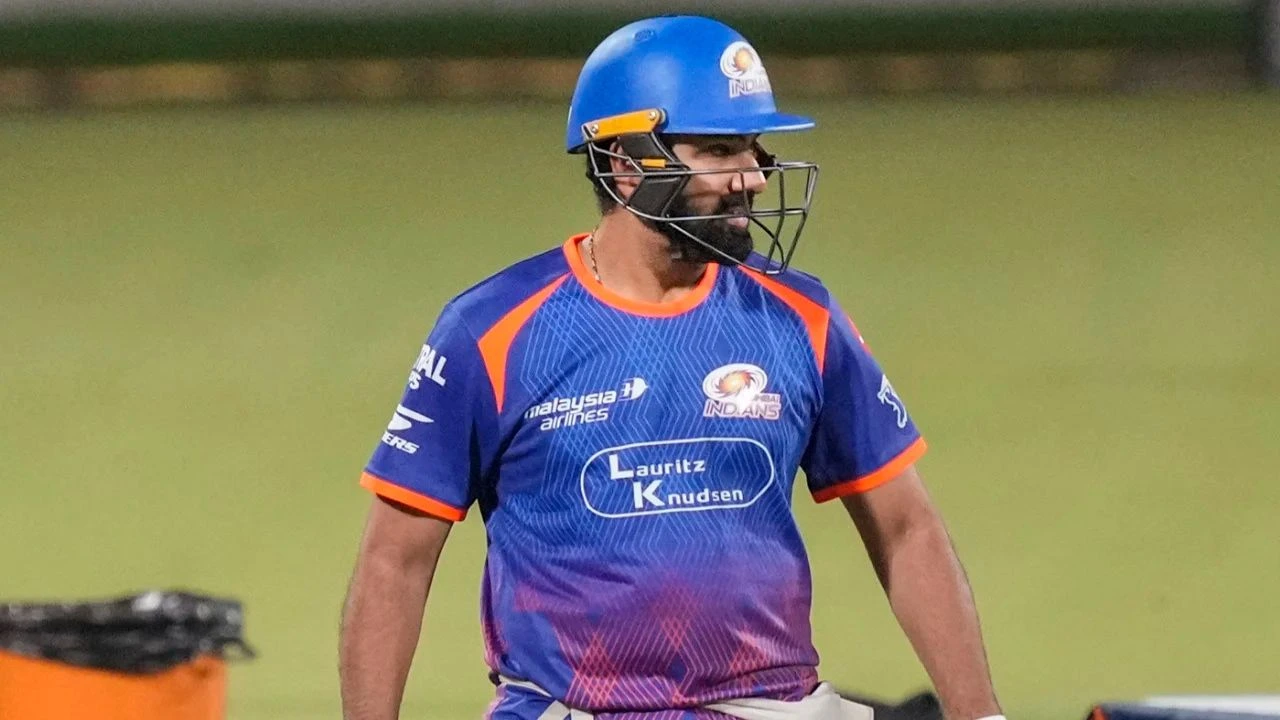
Will Rohit Sharma play? The answer, as of Sunday, remains frustratingly unclear, a last-minute fitness call that has become the defining subplot of Mumbai Indians' entire 2026 season, a campaign that has lurched from crisis to crisis without the one man who has historically been able to steady things in his own unhurried, instinctive way.
MI vs LSG: The injury timeline and where Rohit Sharma actually stands
The problems began on April 12 against RCB at the Wankhede, when Rohit retired hurt in the fifth over after limping during a leg-bye run with what initially appeared to be a toe injury. He made 19 off 13 balls before leaving the field, and in doing so became the first player to complete 6,000 IPL runs for Mumbai Indians, a milestone that arrived and was immediately overshadowed by concern about what came next.
The toe problem was subsequently complicated by a hamstring strain, and Rohit has not played since. Five consecutive matches missed, including the defeat at Chepauk against CSK on May 2.
Before CSK game, Coach Mahela Jayawardene had confirmed Rohit Sharma is working hard in the rehabilitation setup, and Hardik Pandya noted at a toss vs SRH that Rohit still needs a couple more games to reach the match fitness level he requires.
Chances are pointing more toward the RCB game in Raipur on May 10 as the more realistic return date, which would mean Monday against LSG is too soon.
What Mumbai have been doing without Rohit Sharma and how the numbers tell the story
Before his injury, Rohit had been in the best form of his recent IPL seasons, 137 runs from four matches at an average of 45.67 and a strike rate of 165, with a 78 off 38 balls against KKR that featured six fours and six sixes and looked briefly like the beginning of something special.
Since he went off the field on April 12, MI have used Will Jacks and Ryan Rickelton as their opening combination, and while Rickelton's 123 off 55 balls against SRH was one of the innings of the season, the partnership as a unit has not provided the platform that Rohit's presence at the top historically anchors. The issue is not simply the runs.
It is the decision-making at the crease in the middle overs, the ability to read a chase or set a total, the authority that comes from having a player who has done this for two decades at this specific ground. Jacks and Rickelton are capable cricketers. They are not Rohit Sharma at the Wankhede, and that distinction has mattered across five consecutive defeats.
Also READ: No IPL 2026 Playoffs at Chinnaswamy? BCCI Secretary gives clarity on venues and release date
MI vs LSG: What Monday means and why this update matters beyond one game
MI have four points from nine games. They can reach a maximum of fourteen points if they win every remaining fixture. The playoff threshold is traditionally sixteen points. The mathematics are cruel and the margin for error is zero, a loss on Monday night against LSG and MI become the first team eliminated from IPL 2026 contention.
In that context, the Rohit question is not just a team selection conversation. It is the central narrative of whether this franchise has any realistic path forward at all. If he plays and finds something close to his April form, the dynamic of this match changes considerably, LSG's bowling attack, which includes Mohammed Shami and Prince Yadav, is formidable, but a fully functioning Rohit Sharma at the Wankhede has handled bigger bowling attacks than this one.
If he does not play and MI go with Jacks and Rickelton again, they are capable of posting totals. The question is whether the bowling can hold them.
