


A series of tough losses at home to New Zealand and South Africa in Tests through 2024 into 2025 pushed the BCCI into rethinking its long-format strategy. Spearheading the shift is the COE under VVS Laxman, quietly drafting fresh plans aimed at deepening India’s pool of Test-ready players. This time around, focus lands on structure, not just talent. Progress may take seasons, yet early work already shapes up differently than past efforts. Behind closed doors, coaches stress routines that last beyond match weeks.
Long hours now feed into skill retention, something earlier cycles often skipped. Player development leans more on repetition, less on sudden fixes. Ideas once sidelined resurface with weight: rest cycles, batting endurance, bowler workload charts. Not every change shows straight away. Still, those involved notice shifts in how young cricketers approach the daily grind.
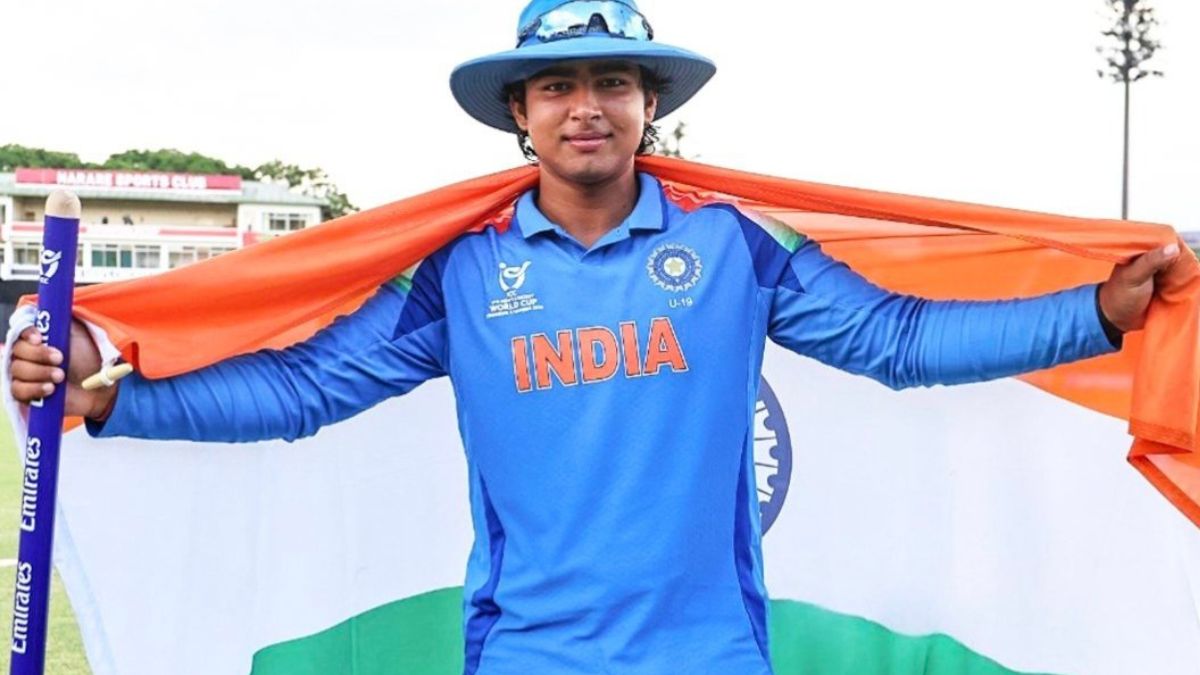
A handful of young Gen Z talents, including Vaibhav Sooryavanshi, among them, along with Ayush Mhatre, are set to play in a special multi-team red-ball event lined up for June through July. This competition pulls together 64 standout cricketers below twenty-five, built around shaping future performers who can carry forward India's long-form strength in the years ahead.
COE tournament to shape future red-ball core by BCCI
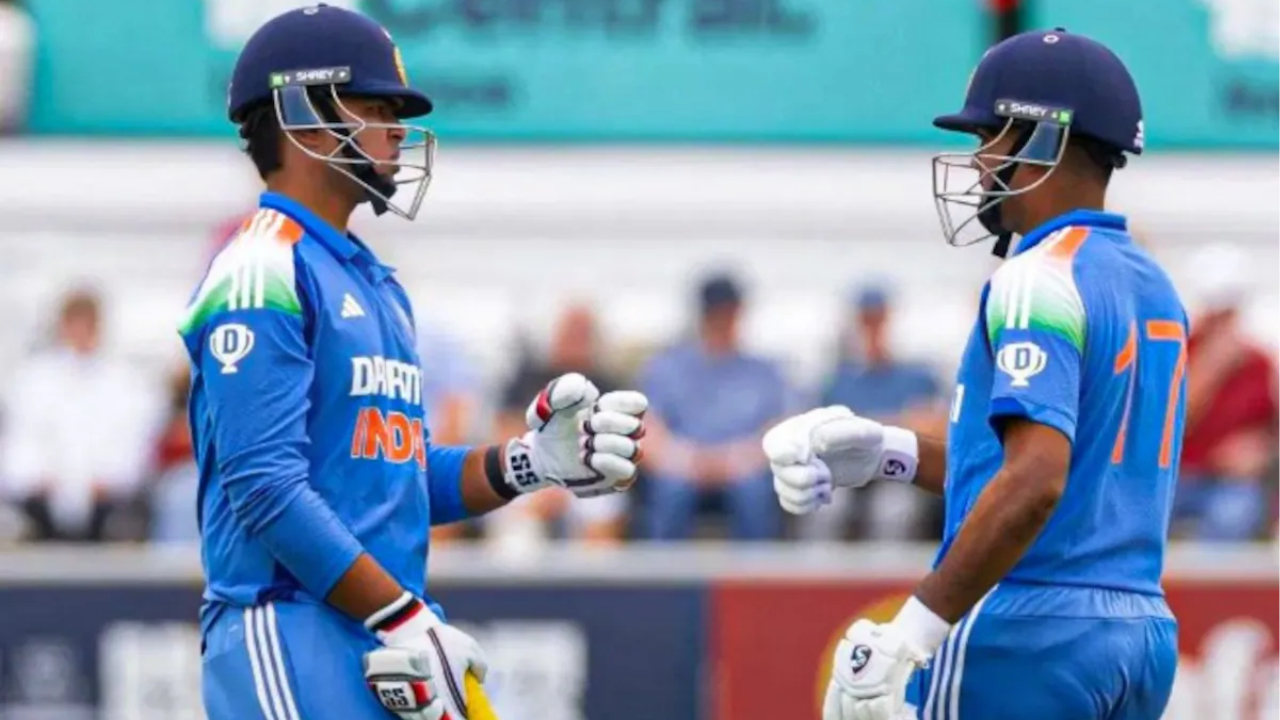
BCCI has shifted the focus on red ball cricket, directed by the COE for every coach and selector at senior levels, down to U-16 levels during the coming Bengaluru training camps. Instead of chasing short-term gains, emphasis shifts toward building lasting skills through longer formats. Preparation aims squarely at meeting real match pressures, near-term as well as years ahead.
Working closely with Ajit Agarkar and Gautam Gambhir ensures alignment across decisions that shape team choices and player growth. This path unfolds quietly, rooted in practice rather than announcements.
After the IPL wraps up, young Indian squads, Under-19 and Under-25, are heading to Sri Lanka for multi-day games. Selection hinges on how they fare during internal COE clashes, where form under real match pressure counts heavily. These trips open doors to face tougher challenges using the red ball, testing readiness beyond academy walls.
Also Read: IPL 2026 rule changes: BCCI updates DRS referrals, innings timer and concussion replacement policy
64 players will make up the tournament field, split into four groups of sixteen, every group facing off in a pair of four-day games on different types of pitches. One quarter comes straight from standout showings in youth contests, think Cooch Behar and CK Nayudu events - handpicked by S. Sharath's junior team. Twenty-five more spots go to emerging names, some under twenty-three, others under twenty-five, pulled together by the older selectors after watching state-level runs and wickets pile up outside big-money leagues. These picks draw only from those not signed to IPL franchises, focusing instead on consistent output where county-style competition thrives.
Out of nowhere, fourteen places go to fresh IPL faces like Mhatre, Sooryavanshi, and Sameer Rizvi, if injuries stay away and schedules allow. These names, once gathered, could shape a tight circle of nearly twenty-five, ready to step in for both India Emerging and India A during behind-the-scenes tours.
Nowhere near done yet, BCCI, along with India's team handlers, are shifting youth attention back to longer formats, starting under-19s, building up talent shaped for five-day games ahead. Focus lands firm on crafting future batters and bowlers who can last through Tests, slowly stacking depth year after year.
