


Table of Contents
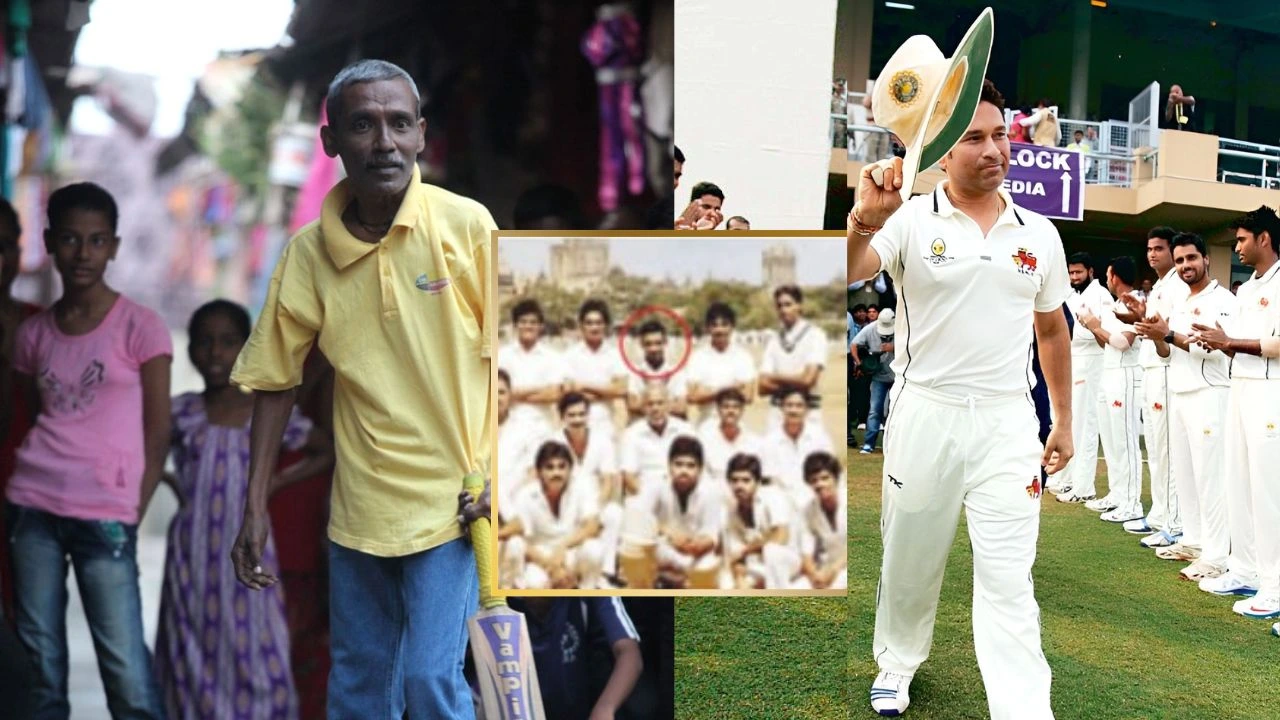
Some cricket stories do not end with trophies or farewell speeches or standing ovations at packed stadiums. Some end quietly, in a small room far from the lights, with only the memories of what once was and what could have been. Anil Gurav passed away on March 31, 2026, at his residence in Nalasopara, Mumbai, aged 61. Most cricket fans will not recognise the name. That is exactly the tragedy.
The Viv Richards of Mumbai who Achrekar trained before Sachin Tendulkar
Before Sachin Tendulkar became the God of Cricket, before the centuries and the records and the farewell at Wankhede that brought a nation to tears, there was another boy on the Mumbai maidans who Ramakant Achrekar believed in first.
Anil Gurav was eight years older than Sachin, and in the mid-1980s he was the name everyone in Mumbai cricket was talking about. They called him the Viv Richards of Mumbai, not as a casual compliment but as a genuine description of what they were watching.
His hook shot, his cut, the way he took an attack apart with a kind of joyful aggression that made people bunk work just to watch him bat. Achrekar would ask a young Sachin and Vinod Kambli to sit and watch Anil Gurav bat in the nets, to study his strokeplay, to learn from him.
Coin that Achrekar would place on the stumps, the famous ritual that became synonymous with Sachin's story, actually started with Anil Gurav. He was the chosen one first.
The Anil Gurav's bat that made history
The most extraordinary thread connecting Anil Gurav to Sachin is a simple piece of willow. When Sachin was preparing for a big Under-14 match and did not have a quality bat, he wanted to use Gurav's. Too shy to ask directly, the request came through a mutual friend. Gurav said yes, on one condition.
Make a big score. Sachin said "I will, sir", note that he called Gurav sir, and went out and scored his first competitive century with Gurav's SG bat. Gurav spoke about this story for years afterward, always with the same mixture of pride and gentle amusement.
He never got the bat back. In his later years he would joke that the one thing he wanted to do before he died was meet Sachin and ask him to return it. It was the only bat he ever owned.
How everything fell apart for Anil Gurav
Story of Anil Gurav's downfall is not one of weakness or lack of talent. It is something far more painful than that, a man destroyed by circumstances he did not choose and could not escape. His younger brother Ajit became a sharp-shooter for a local gang in Mumbai, and the police came looking.
They came for Gurav too, repeatedly, sometimes mistaking him for his brother entirely. He was picked up, taken to police stations, beaten badly enough that he could not stand.
Gurav's mother was held for days at a time. He played cricket through all of this, afraid every time he walked to the crease that they would come for him again. In 1986 he needed one century in front of selectors to make the Railways Ranji team. He reached 84, panicked, played a shot he had never played before and was stumped.
During an interview to media outlet in 2013, Anil said that shot haunted him in his sleep for the rest of his life. By the early 1990s the cricket was over. He moved to Nalasopara to escape the police. They found him there too. The drinking began and never really stopped.
Also READ: On this day in 1997: How a 120-run chase turned into a scar Indian cricket still carries
The man he became and the life he lived
When a journalist found Gurav in 2013 he was living in a 200-square-foot room in Nalasopara with paint peeling off the walls. The smell of cheap alcohol hung in the air. His trophies and medals were kept under his mattress , the only proof left of what he had once been.
His son Aniket, who scored 85 percent in his Class XII exams and was building a career in banking, had essentially given up on his father. Neighbours either smiled wryly or shook their heads. The boys from the neighbourhood would mockingly invite him to play in their matches and then laugh at him.
Gurav would talk anyway, his memory sharper than anything else about him, lighting up when he described a cut shot or remembered one of his big innings. He was in the Alcoholics Anonymous programme in his final years, trying to take it one day at a time. He had not quite managed it. Achrekar had once said to him, "I taught you how to bat, I don't remember having taught you how to drink." Those words stayed with him too.
In today's Mumbai Mirror:) pic.twitter.com/nBuwu7jfif
— Gaurav Gupta (@toi_gauravG) April 1, 2026
Why Anil Gurav's story matters
The passing of Anil Gurav is a reminder of something cricket rarely makes space to acknowledge, that for every player who makes it, there are dozens with equal or greater talent who do not, and that the reasons are almost never simple.
Gurav was not failed by his talent. His highest score was 135 for Bombay Schools, outshining players who went on to play Ranji Trophy. He was mentored by the greatest coach Indian cricket has ever produced.
He mentored Sachin Tendulkar. He gave Sachin the bat for his first century. And he died in a 200-square-foot room in Nalasopara, largely forgotten, the certificates and newspaper cuttings folded under his mattress. The coin was placed on his stumps first. That is the part of the story that stays with you.
