


Table of Contents
Here comes Argentina’s latest World Cup team. Almost identical to the last bunch. Same faces, same feel - just a fresh date on the calendar.
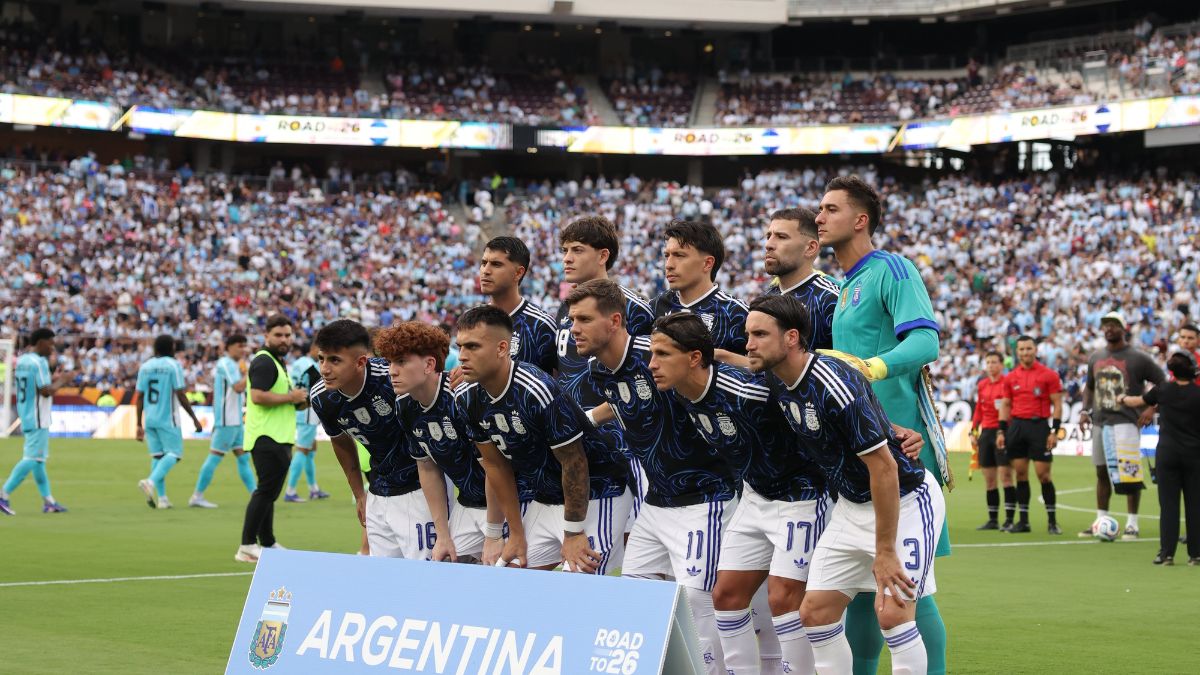
Back on familiar ground, Lionel Scaloni leans once more on what worked before. Almost four years have passed since that wild evening in Lusail, where Argentina edged past France in a final few will forget. That clash still lingers in memory - chaotic, brilliant, exhausting. Now, with tournaments ahead across North America, nearly half the squad from Qatar answers the call again. Seventeen names reappear, chasing echoes of glory under new skies.
Strange how things hold together. Might’ve been tighter still if bodies hadn’t broken down. Now back in the fold - Lo Celso and González, both sidelined when Qatar came around, fit again after missing out last time. Foyth alone stays away, struck down right as momentum built. The rest remain, stitched into what’s carried Argentina forward.
When a squad gets ready to protect its World Cup title, the idea stands firm. Something working well doesn’t need changing just because time passes. Stability often beats sudden shifts when champions hold on to what made them winners.
The end of one era, the extension of another in Argentina
Out go most who’ve been around longest, their global runs winding down on their own. Not picked anymore are midfield anchor Guido Rodríguez, creative spark Alejandro Gómez, and attacker Paulo Dybala. Near a spot was Marcos Acuña - close, yet left behind in the end.
What sticks isn’t who shows up, but the gap when someone doesn’t.
One moment, he was lifting trophies, the next - gone. At 38, Di María might’ve kept going, yet the veteran stepped away following Argentina’s 2024 Copa triumph. Not just plays are missing now, but echoes of his runs down the flank. A void opens where flair once lived.
What set Di María apart was rare among top-tier athletes. His talent sparkled brightly, yet he never insisted on being the centre of attention. Again and again, when matches hung in the balance, he found a way to rise - stepping forward without seeking praise. Glory mattered less than the group’s triumph.
Trying to swap out those traits sounds simple, yet reality tells a different story.
The next generation of Argentina waits its turn
What keeps Scaloni up at night isn’t just tactics - it’s finding someone to ignite moments like Di María used to. Not a carbon copy, but a pulse where there's now silence. The void shows not in stats, but rather how games stall when they need burst. Someone must step into those hushed seconds after the buildup dies. It won’t be flair alone, more about timing than tricks. A nudge forward when others hesitate - that kind of shift changes matches.
Hope rose fast when Alejandro Garnacho first appeared.
Also read: France brushes aside World Cup concerns after shock Ivory Coast defeat
Still, growth hasn’t matched what most expected by now. These days, it’s Giuliano Simeone who keeps showing up more - his drive, sharp edge, and nonstop motion quietly reshaping the team's rhythm. What catches attention is a pair of rising stars poised to influence Argentina’s path ahead.
Sometimes you see a player like Valentín Barco, who fits into different spots on the field, and brings fresh ideas when moving forward. Not far behind stands Nico Paz, slowly stepping into view as one of Argentina’s brightest young minds in playmaking. Once Messi steps aside, space opens up - that moment might let Paz truly grow. Right now, he builds his rhythm by taking passes and guiding how moves unfold, though doing that regularly feels tricky while the best of his time still shapes every match from midfield.
Right now, each offers a spark off the sidelines that can shift how games unfold. One moment they're waiting, next they're changing everything. Their impact grows when called upon. Not starters, yet far from background noise. Moments find them, then momentum follows.
Midfield? That spot on the team barely sparked any conversation at all. One thing everyone seemed to agree on without much back and forth.
Choosing players came down to one idea. Stick with the ones who’ve proven themselves before.
Out on the sidelines during Qatar, Lo Celso’s absence stung when it happened. Still, space opened up - Alexis Mac Allister stepped in, then Enzo Fernández followed close behind. Each found their footing where others saw only loss. Moments like these reshape squads without warning.
Back in the mix, Lo Celso gives Argentina a midfield blend they haven’t seen under Scaloni - richer now, more evenly shaped. Though numbers were always there, this group feels different somehow, fuller in its balance.
More Than Just Messi’s Teammates
Years passed. Argentina’s fate hung on one man - Lionel Messi. Not politics, not economics, just his every move on green fields far from home.
It’s not quite right anymore.
Few saw it coming, yet Julián Álvarez now carries more offensive weight than ever - Messi still stirs the soul of the group, yes, even as he nears his 39th birthday when play begins. Then again, impact isn’t measured only by years.
What makes him special isn’t just scoring. When the team needs pressure up front, he’s there, snapping at defenders’ heels. Space opens for Messi because of his movement - sometimes wide, sometimes drifting back.
Playing high or dropping deep feels natural to him, like he belongs everywhere. Not many fit so many roles without missing a beat.
Next to him is Lautaro Martínez, yet the presence of Palmeiras attacker Juan Manuel "Flaco" López brings something different, a left-footed central striker whose growth in Brazil has drawn notice from Argentina’s coaches.
Choices shape the offense. Depth arrives through the middle players. Still, the defense worries people most.
The familiar weakness
Close to falling apart - that nearly happened when Argentina won in Qatar, though few noticed. Football held its breath when Australia pressed hard. Chaos followed as the Dutch stirred trouble. Just moments from defeat, a stunning stop by Emiliano Martínez changed everything - France had almost taken it all.
Right now, weaknesses revealed back then remain just as present. Still showing up where least expected.
Four years on, Scaloni still hunting new defensive options - names like Kevin Lomónaco, Mariano Troio, Tomás Palacios got looks. Stuck at the door, though, none broke through. Not one. This time around, Argentina brings back nearly the identical defensive lineup seen during their trip to Qatar.
Right now, Nahuel Molina might play instead of Gonzalo Montiel at right-back. Or maybe it’ll be the other way around. On the opposite side, Nicolás Tagliafico still takes the spot without much debate. In the middle, Cristian Romero stands beside veteran Nicolás Otamendi, who somehow never seems to slow down. Behind them, backup comes from Lisandro Martínez, with help also coming through Leonardo Balerdi and Facundo Medina waiting nearby.
A trophy from the global tournament. Several continental championships stacked up. Control over qualifiers across the region is steady and firm. Trust between leader and team, tested by stress, high hopes, and still standing. Still, each person knows the path forward.
One day soon, Messi will walk off the stage. Following that shift, younger players will rise into the spotlight. The next stretch of Argentina’s journey on the pitch has already started taking shape.
But not yet. One last summer, old bonds get another chance to prove their worth. This time around, belief rests on those who’ve stood at the top already.
Back in time, holding onto a World Cup title has always been tough. Still, should Argentina miss again by 2026, it won’t stem from missing know-how, team bond, or faith.
This time it's the Scaloni bunch again. Another contest is just around the corner. History waits once more.
Also read: The FIFA World Cup 2026 shop window: 16 stars poised to trigger a billion-euro transfer frenzy
