


Table of Contents
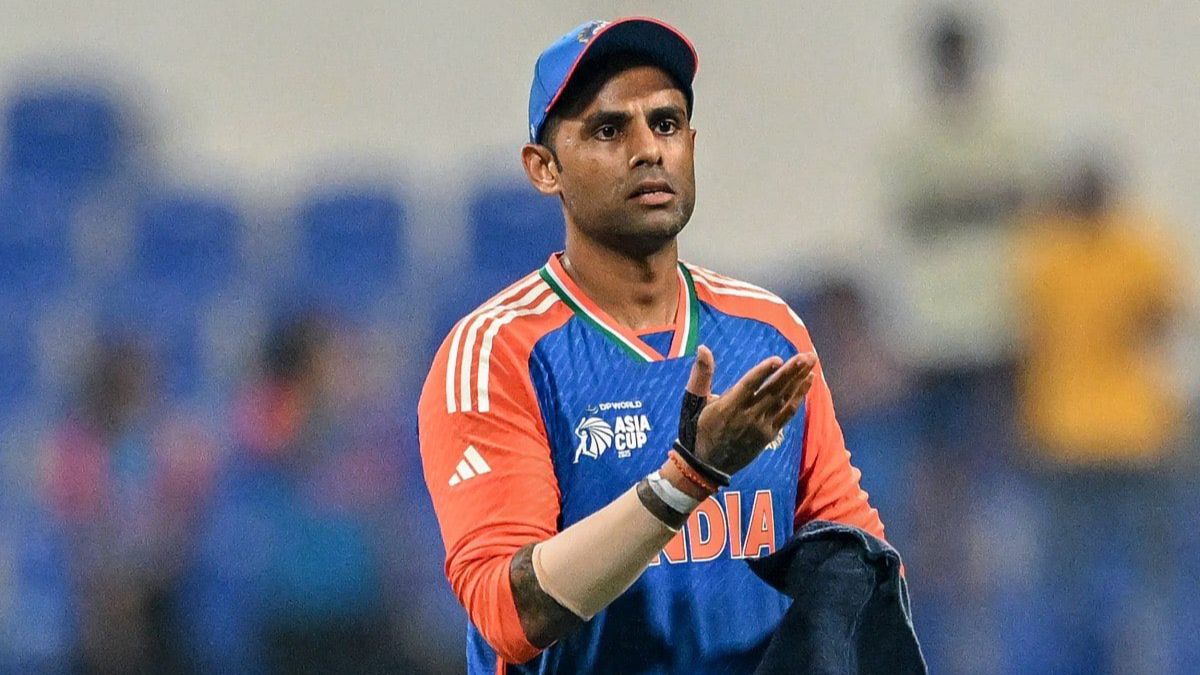
It was three months back when Suryakumar Yadav found himself right in the middle of India’s biggest cricket party. Beneath the glow of floodlights at Narendra Modi Stadium, Ahmedabad, victory came alive as he raised the T20 World Cup high. That win carried India across the line for their second straight world title under his leadership. Standing there with the silver prize in hand placed him beside MS Dhoni and Rohit Sharma, just the third skipper ever from India to claim the men’s T20 crown.
Funny how things change now. The scene takes on a whole new shape today. Now comes word of Shreyas Iyer stepping into Suryakumar’s role at the helm. Not long after lifting the World Cup, one might vanish from view entirely. A shift in direction looms large as selections draw near.
Once front and centre, now possibly left out without warning. Fast turns mark this game, especially when names get swapped so soon. Leadership passes hands while questions rise behind closed doors.
The rise of a late bloomer: Suryakumar Yadav
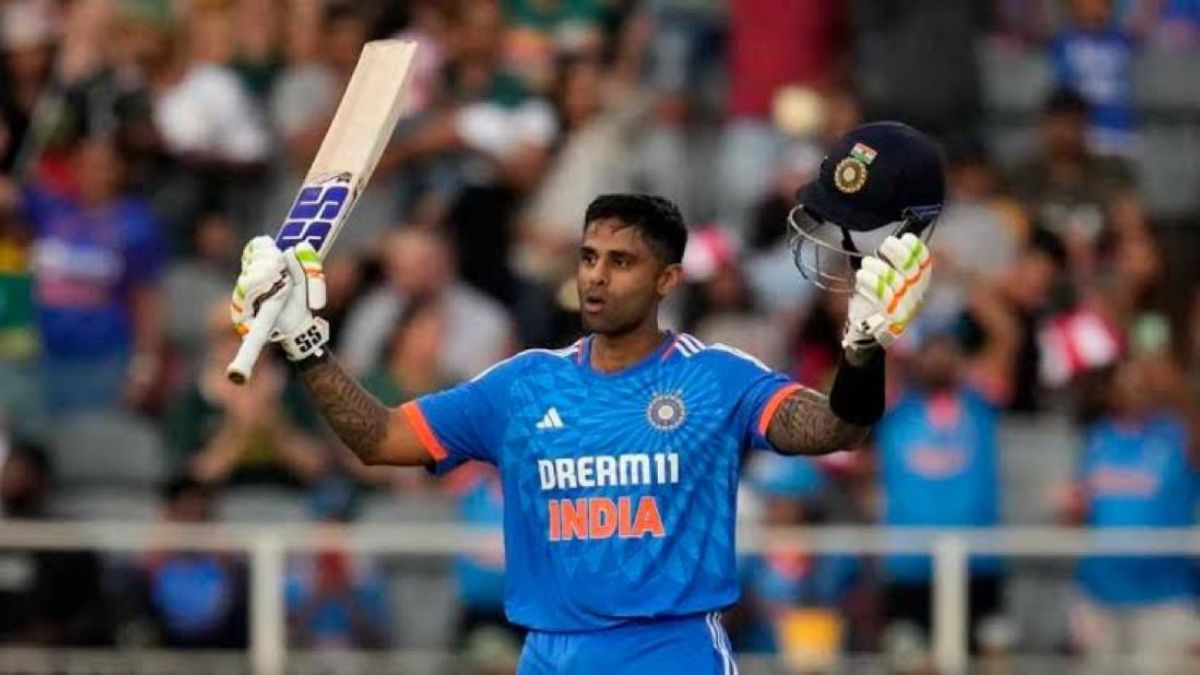
Top spot came slowly, differently, for Suryakumar. His path twisted where others rushed straight. He didn’t rise like most young Indian players do, making waves abroad by 22. Instead, 30 years passed before he stepped into the global arena. Seasons full of runs at home and loud cheers in franchise leagues still left him waiting. Opportunity came slowly, then suddenly. Once handed the stage, he stood firm, refusing to let go.
His unorthodox shots reshaped how batsmen approached T20 cricket. With every swing covering angles few could match, bowlers found themselves constantly on edge. Soon enough, fear spread among those facing him at the crease - a reputation built fast, standing tall in the game's quickest form.
Also Read: IPL 2026's biggest disappointments: Five stars who couldn't repeat their 2025 heroics
Then came the honours. The top spot in the global T20I batting rankings was his. Awards piled up - several ICC T20I Cricketer of the Year titles landed in his name. Faith grew within the selection panel. Head coach Gautam Gambhir stood by him. By 2024, he wore India's T20 captaincy like a quiet promise kept.
33 years old when he took charge of India. By 35, staying noticed feels like a battle. This season felt like a chance to prove people wrong. Yet things went poorly - only 270 runs across thirteen games, average stuck at 20.76. Mumbai ended up ninth. A year meant for answers brought only more questions.
These days, Suryakumar isn’t scoring like he used to in T20Is. His numbers took a nosedive after strong results earlier on. Back then, an average of 26 showed steady output. Trouble started showing up when that dropped down to 13.62 last year alone. Hitting speed slowed too, falling under 130.
Even when talk turns to setbacks or mechanical glitches, what matters most is how players perform. With so many chasing a few spots, slipping for too long catches attention fast.
Deep in the lineup, Indian cricket hardly ever had so many strong hitters.
Finding his rhythm took time, yet teammates seized the chance to shine. Rivals stepped forward just as he paused.
These past two IPL seasons have seen Shreyas Iyer find his rhythm again, now eyeing leadership. Not far behind, Rajat Patidar quietly stacks innings after innings, key to Bengaluru’s rise through steady knocks in the middle.
His presence reshapes what that lineup can do when pressure builds late. What holds Suryakumar back isn’t just his own slump. Others in line behind him have been rising fast, instead.
These days, standing on past glory won’t keep a cricketer safe in India’s squad. Reputation by itself means little now when performance hits the field.
Suryakumar Yadav’s successful captaincy was overshadowed by batting struggles
Strangely enough, leading the team wasn’t what caused trouble. Victory followed victory under Suryakumar at the helm; each T20I series ended with India on top. The Asia Cup fell into their hands thanks to steady direction from him. His time leading the side closed with a trophy, hoisting the T20 World Cup high.
Now and then, disputes popped up, ones tied to Pakistan, or awkward moments during event rituals, yet his reputation as a figurehead stayed mostly untouched through it all.
Even after everything, he stayed close to Gautam Gambhir, while hardly anyone questioned how he handled decisions on the field. Still, today’s game shows no mercy. Slumps at the plate can overshadow solid captaincy skills, no matter how respected the player once was.
Also read: India vs Afghanistan Test: Predicted XI, key selection calls and the road to redemption
Looking ahead, Saba Karim put it simply - the selection panel has already turned its attention toward 2028. Their current picks? Chosen with an eye on who fits into that longer path forward. Instead of focusing on immediate needs, they’re building around future potential. The T20 World Cup cycle looms large in their thinking. Each decision seems shaped by where things might go years down the line.
Suryakumar's situation reflects a broader shift within Indian cricket.
Nowhere near as common are exits timed solely by icons calling the shots. Lately, shifting focus lands on handovers, what comes next, and how things evolve down the line.
Out went Rohit Sharma and Virat Kohli from Tests, change arrived without warning. Because they reached great heights does not mean their eyes stopped watching closely.
Now it seems that identical thinking shapes how T20 teams are picked. Selections follow older patterns, quietly guided by long-held views. Choices unfold with subtle repetition, echoing past reasoning. Old logic sneaks into fresh decisions, shaping outcomes behind the scenes. Team picks carry traces of earlier mindsets, barely changed over time.
It's obvious now what you do counts more than what came before. Not history, but results grab attention today. Outdated names fade when speed shows up. Old reputations crumble if delivery lags behind. Proof lives in motion, never just past claims.
Did Suryakumar Yadav deserve another chance?
Still, nobody agrees on the answer. Whether it settles anything, doubtful.
Looking forward feels natural for India. Moving up Shreyas Iyer makes sense, given how things are shaping. Planning early shows some clear thinking by those picking the team. After winning a World Cup, might a captain deserve extra games to show what he can do?
Maybe facing Ireland or England would’ve given him just enough time to find his rhythm again. Out there on the field, bat ready, he might have shaped things himself instead of waiting for committee talks or headlines to decide.
Now it seems his fate on the world stage got settled even before the next delivery was tossed up. Might be the pickers think it has to happen this way. Could be they’re correct.
Still, a quiet unease lingers - this standout Indian achiever, rising only later in life, might have earned the right to shape his final chapter himself.
Ahead lies the quiet aftermath, where the roar fades. Victory once roared through stadiums, now sits still. The crowd's echo slips into silence. Bright lights dim to ordinary days. What felt endless begins to settle. A moment high turns into routine. Crowds gone, the stage empties fast. Triumph gives way to mornings like any other. The gold cup rests far from hand.
Also Read: Gautam Gambhir opens up on Rishabh Pant's vice-captaincy demotion
