


Table of Contents
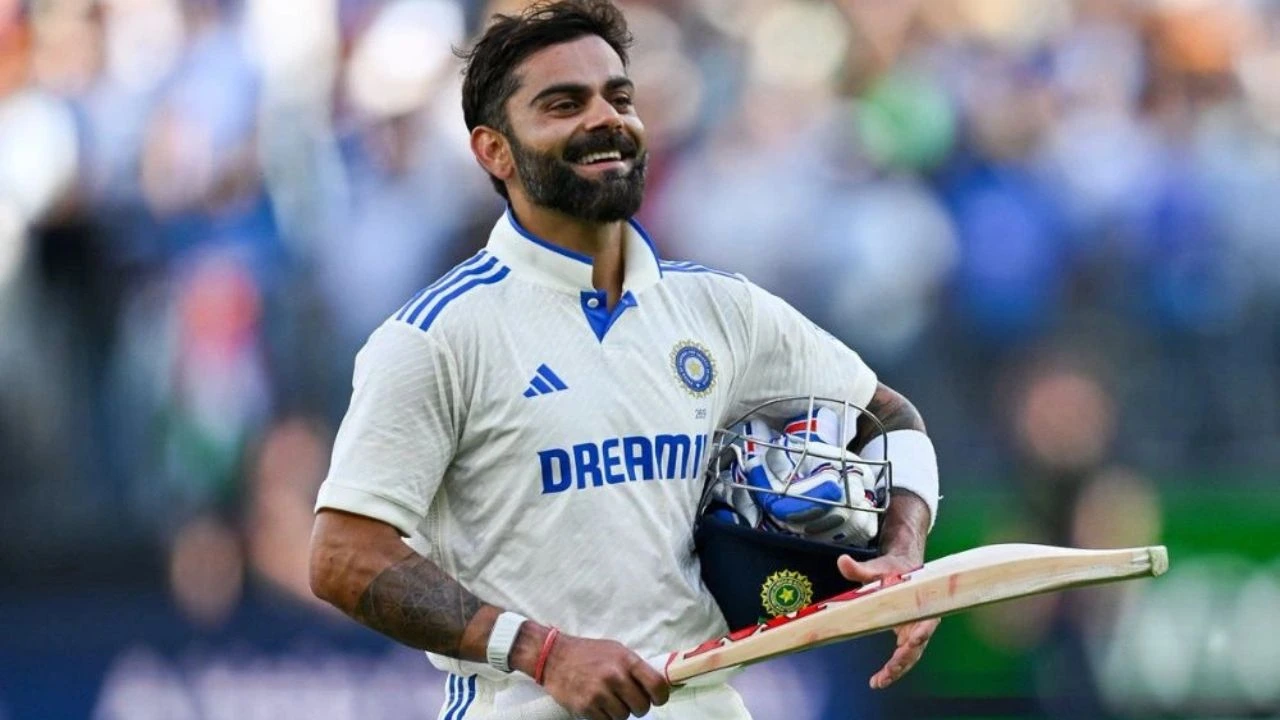
One year ago today, Virat Kohli posted two words and a number on Instagram, "#269, signing off", and Indian Test cricket had to figure out what it was going to do with itself.
The answer, a year later, is that it is managing, in the way that any great institution manages after losing its most defining presence. The rooms are still being used. The furniture is still there. But something about the temperature has changed, and everyone who was there during the good years knows it.
May 12, 2025. The date sits in the calendar now like a small monument.
Kohli who had scored 9230 Test runs across one 123 matches, who had led India to 40 victories in 68 Tests as captain, who had personally dismantled the psychological barrier that said India could not win a Test series in Australia, that man decided, at 36, that the white jersey had given him everything it had and he had given it everything he had, and that the equation was complete.
Kohli did it on Instagram, with a hashtagged cap number, because this is the twenty-first century and even retirements from Test cricket happen between a reel and a story now.
View this post on Instagram
Virat Kohli's career that started with a funeral and ended with a farewell
The story of Kohli's Test career has a beginning that tells you everything about who he was going to become. He was playing his second Ranji Trophy match for Delhi when his father passed away suddenly in the night. He attended the funeral.
And then Kohli went back and scored ninety. He was eighteen. The innings did not make the headlines at the time, it was a domestic game, nobody was watching, but it is the detail that explains every send-off, every celebration, every moment of ferocious competitive intensity that followed across fourteen years of Test cricket. This was not a man playing a sport. This was a man for whom cricket was the language through which everything else in his life was expressed.
Dilip Vengsarkar fast-tracked into the ODI setup in 2009 against the judgement of others in the establishment, and by 2011 he was the youngest member of the World Cup winning team under Dhoni, getting his Test cap a few weeks later against the West Indies.
The early years were raw and volatile, brash, confrontational, unafraid of anyone, sometimes earning criticism for exactly the kind of fire that would eventually make him extraordinary. The tour of Australia in 2011-12, when his place was under genuine threat, produced a gritty maiden Test century that announced he was not going anywhere. Within two years he was the best batter in the world.
The Test peak that was genuinely unlike anything that came before it
Between 2014 and 2019, Kohli was doing things in Test cricket that required a recalibration of what was considered achievable. Six double centuries in eighteen months at one point. An average that climbed past fifty-five. Hundreds in every country, on every surface, against every attack.
The period when he averaged fifty-plus simultaneously in all three formats of the game simultaneously, an achievement that nobody in cricket history had managed and that most analysts assumed would remain unique for decades. Joe Root, Kane Williamson, and Steve Smith were all exceptional batters of the same generation. Virat Kohli was operating in a different atmospheric layer and everyone who watched him during those years knew it.
Captaincy made Kohli even more interesting as a cricketer. He inherited a Test team that had been soft overseas, that had accepted difficult tours in England and Australia as part of the natural order of things, and he refused to accept them. Kohli changed the fitness standards, the fast bowling culture, the mentality that India was a subcontinent team first and a global team second.
2018-19 series win in Australia, the first ever, was his crowning achievement in whites, the moment when everything he had built as captain produced a result that previous Indian teams had spent decades failing to achieve.
He scored 692 runs in Australia in 2014-15, a tour where India lost the series but Kohli's batting announced itself to an audience that takes fast pitches and genuine pace seriously. They took note.
The decline that was painful to watch and honest about what time does to everyone
From around the start of the pandemic, the run flow ebbed. Centuries became rare. The average, which had sat above fifty-five at its peak, slid toward forty-six by the time he walked away.
2024-25 Border-Gavaskar Trophy in Australia was the final chapter, a first-Test century in Perth that briefly suggested vintage Kohli was available for one last performance, followed by one hundred and ninety runs across the remaining four Tests as India lost the series three-one.
Whether that series influenced his retirement decision is a question only Virat Kohli can answer. What is certain is that the decision, when it came, felt like a man who had looked honestly at the evidence and concluded that the time was right rather than waiting to be told.
He ended with 9230, fourth among Indian batters, behind Tendulkar, Dravid, and Gavaskar, which sounds less impressive than it is until you remember that those three names are the most sacred in Indian Test batting history and Virat Kohli is in that company.
40 wins as captain in 68 Tests place Virat Kohli among the most successful Test captains globally and the most successful in Indian history by that metric. The lack of an ICC Test championship as captain is the one asterisk, and it is a legitimate one, though it sits alongside a body of work that makes the asterisk feel small.
View this post on Instagram
On this Day in 2025: A year on and what the absence actually feels like
Virat Kohli is still everywhere. He is playing IPL 2026 for RCB, chasing the Orange Cap with nearly four hundred runs this season, taking catches and giving send-offs and doing the full Virat Kohli experience in coloured clothing at the Chinnaswamy and the Wankhede and the Arun Jaitley Stadium that carries his name.
He is thirty-seven and still one of the most watchable batters in the country's premier domestic competition. The fire has not gone. It has just found a different format to express itself in.
But Test cricket without Virat Kohli is a quieter thing. Not worse, necessarily, India's Test cricket has continued, other players have emerged, the format survives without any individual, but quieter.
Specific energy that Virat Kohli brought to a Test match, the way the entire complexion of a game changed when he walked to the crease on day three with India three down and needing something, the send-offs and the fist pumps and the sheer theatrical intensity of his presence, that has not been replaced because it cannot be replaced.
You do not replace Virat Kohli. You build the next chapter of Indian Test cricket in the space he left, and you occasionally catch yourself wishing, on days like today, that there was one more innings left in that particular story.
"I'll always look back at my Test career with a smile," Virat Kohli wrote. "#269, signing off."
One year on, the feeling is mutual.
Also READ: PBKS staff member to join Gautam Gambhir's Team India as spin-bowling coach after IPL 2026: Report
