


Out of nowhere, Sunrisers Hyderabad smashed 105 in six powerplay overs against Punjab Kings on Saturday. That lightning start came face-to-face with an answer. PBKS are sitting at 93 by the same mark, untouched wickets intact. The game shifted fast, built less around patience than raw pace from the first ball. What happens later still decides wins, yet these early fireworks now tilt entire matches. Moments once rare are now common, altering how sides approach the opening minutes.
Nowhere has the change been clearer than across IPL 2026, as batters push boundaries like never before. Powerplay overs now bring up 10.47 runs on average, breaking past any prior mark seen since the league began. That number used to hover near 9.59, just one year ago; now it's jumped by almost an entire run each over. So much faster, so much heavier scoring shapes how games unfold right from the start.
Powerplay gap is hurting MI
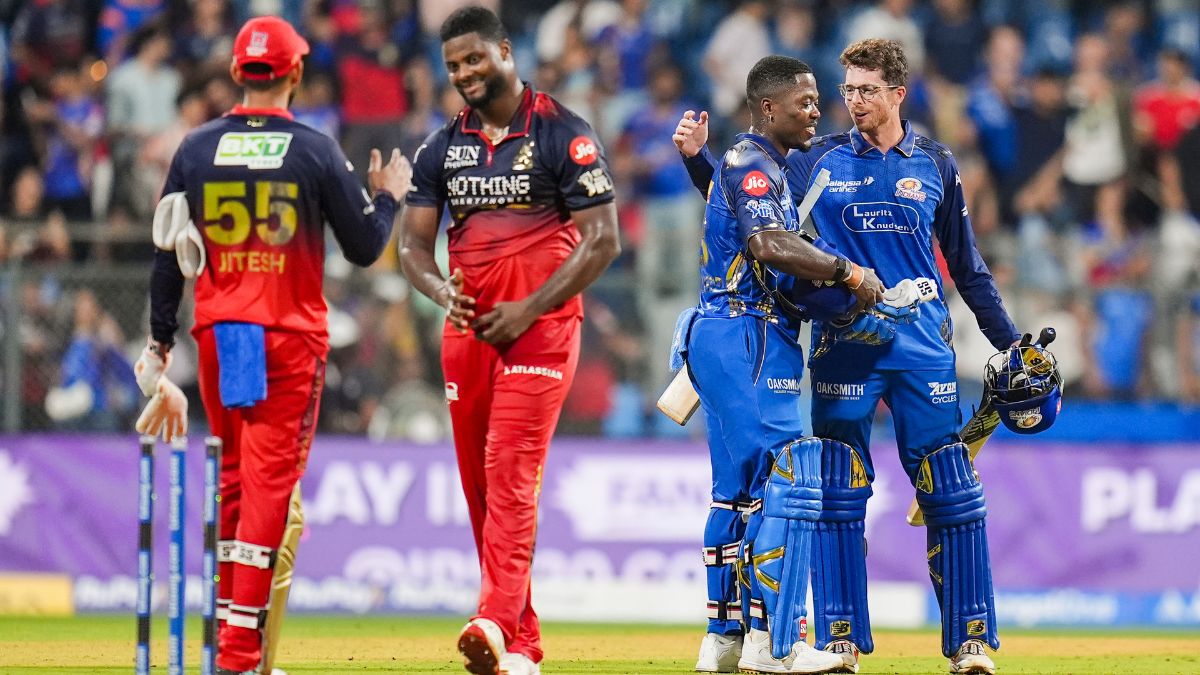
At Wankhede, Royal Challengers Bengaluru slammed 240 for four, lifted high by fierce hitting from Phil Salt, then Rajat Patidar, followed by Tim David swinging late. Chasing that mountain, Mumbai began with 62 runs before losing a wicket in the first six looks okay until you remember they were already trailing hard, made worse when Rohit Sharma limped off injured.
After six overs, MI trailed badly, close to 13 an over needed. That gap highlighted something deeper. Across IPL 2025 so far, sides passed seventy inside the powerplay thirty-seven times. Mumbai did it only twice. Their name sits near the lower end when the first few look at pace.
From pioneers to playing catch-up
Back when they ruled the league, the Mumbai Indians shaped how T20 cricket is played today. That 2020 winning squad mixed explosive hitters with sharp bowlers, the kind few could match. Kieron Pollard brought late-innings fire, while the Pandya siblings added spark at different stages. Power surged through their batting order, launching boundaries almost at will. Six after six piled up; they cleared the ropes 137 times. No one else came close; they finished 32 clear of the second-highest tally.
By 2026, familiar names still show up- Rohit Sharma, Suryakumar Yadav, Hardik Pandya, Jasprit Bumrah, but everything else shifted. Fresh faces swing harder, play looser, reshape how runs pile up. Flatter tracks help, sure, yet it's the Impact Player twist that really stirs things. Backing only on years played. That won’t cut it now.
Still, MI’s planning before the 2025 mega auction shows how tough it is. Losing Ishan Kishan and Tim David, who are doing well on other teams, weakens their lineup when they need quick runs late in games.
Early days yet, though worries linger, the Mumbai Indians often shake off rough openings. Still, should they turn things around this time, fresh challenges could follow - keeping up with how fast the IPL changes might become harder than expected.
