


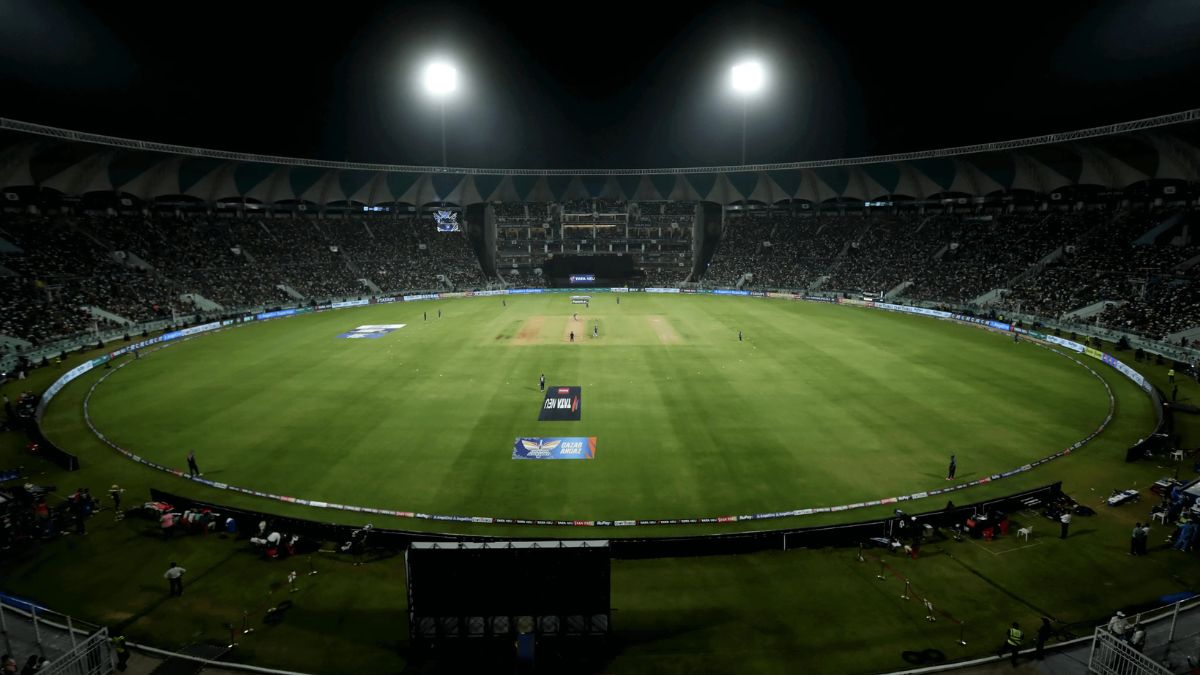
At Lucknow, the last clash still hangs in the air, Punjab Kings charging ahead, blasting past Lucknow Super Giants by 54 on firepower alone. Now, Punjab steps back into view, searching for answers after six straight losses bent their rhythm out of shape. Meanwhile, the home team digs in, eager to reclaim something solid before leaving their ground behind, fresh off a bruising loss deep in Rajasthan.
Today isn’t about making playoffs; both sides have missed that chance. Instead, pride remains. Closing strong matters now. The past few games suggest something clear. At Ekana, where the pitch drags late, control wins. Whoever handles the sluggish bounce best tends to leave grinning. Light beats heat there. Patience often outlasts power.
LSG vs PBKS Weather Report
Heat hammers Lucknow under a cloudless sky before the game begins. Tomorrow follows the same path - blistering sun standing tall, temperatures marching up to precisely 43 degrees Celsius by afternoon.
When the match begins at 7:30 PM IST, heat gives way to open skies, though the warmth stays firm with temps only dipping to 28°C.
Also Read: Explained: How can SRH surpass RCB and setup IPL 2026 Qualifier 1 clash against GT
Rain won’t show up, none at all throughout daylight or dark, so play should run without wet delays from start to finish. Blowing steadily from the northwest, the wind moves across the ground at 15 mph, shaping how the game unfolds. Humidity sits near 26%, which means the field is less damp than it was in games just days before.
LSG vs PBKS Pitch Report
Most games lately haven’t seen big totals. Hitting fluently, not so much, the pitch slows things down too much. Timing feels off more times than not when facing deliveries. Big fences around the field make clearing them a real test. Chasing isn’t easy either, but 200 still offers comfort, even though the norm is under 170.
Patience wins here, right from the first delivery at Ekana Cricket Stadium. Not much hurry across the pitch, timing comes slow, better found through calm buildup than brute force. Dark earth mixed with red clay makes up the surface, one that drags its feet more as hours pass. Hitting gaps tightens when overs pile up, and stroke makers feel the squeeze late in the game.
Later on, past the sixth over, things really start to shift. Right about then, spin bowlers notice how the ball grabs at rougher spots on the pitch. That grip changes everything; slower deliveries begin to dominate. Hitting more than 175 runs feels solid under these conditions. The field itself doesn’t favour wild swings; instead, it likes smart choices between the stumps.
Also Read: Today's cricket news
