


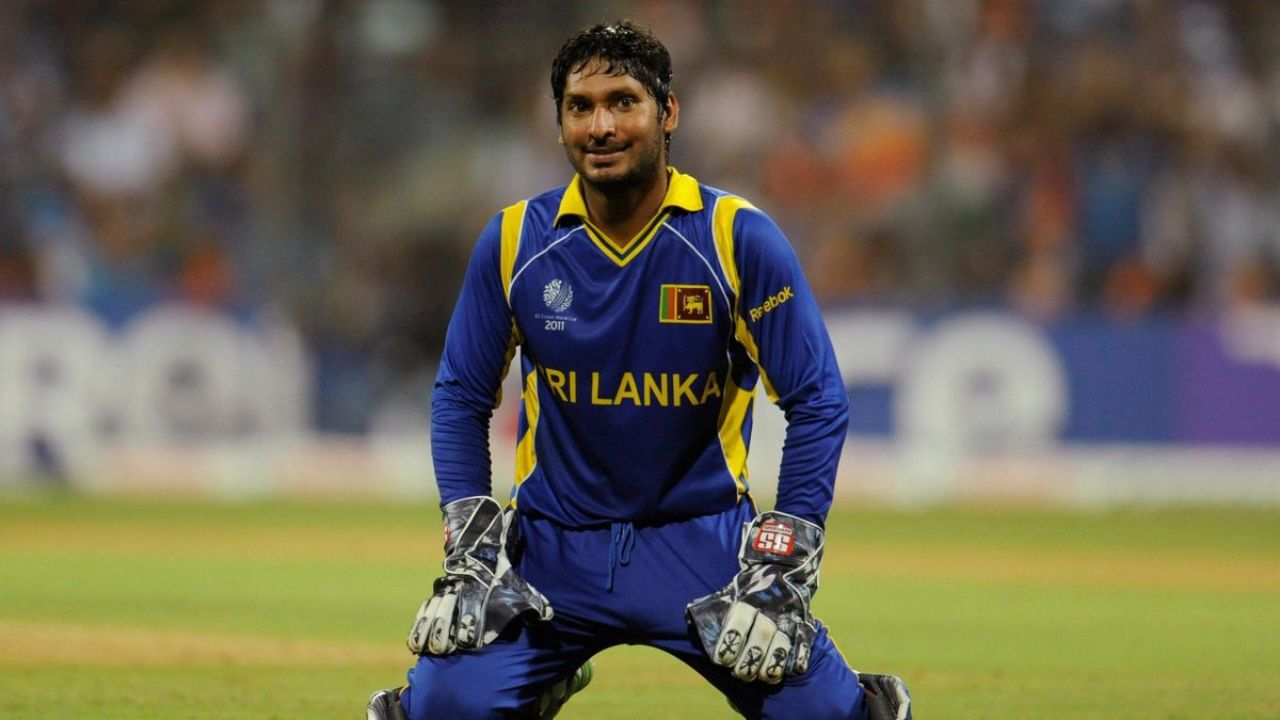
Former Sri Lanka captain Kumar Sangakkara has called for sweeping changes after the team’s latest early exit from the T20 World Cup 2026, warning that failure to adapt could push Sri Lanka toward irrelevance in modern cricket.
Also Read: Keshav Maharaj’s screamer sparks South Africa’s dominance over West Indies
Sri Lanka’s campaign ended following a 61-run defeat to New Zealand in Colombo, coming on the back of an earlier Super 8 loss to England. The back-to-back setbacks sealed their elimination and extended a concerning run in the tournament.
Taking to X after the exit, Sangakkara acknowledged the emotional toll of the result while stressing the responsibility that comes with representing the nation.
“There is a lot of hurt all round. The fans are devastated, disappointed, and angry. The players are hurting badly too. I have been in similar dressing rooms. It’s not easy. But this responsibility comes with the turf. It’s a burden and a great privilege to represent your country and your people,” he wrote.
He added a stark warning about the need for structural and tactical reform.
“There is a lot of work to be done at all levels to course correct. We can’t do the same things over and over and expect different results when the cricket world around us has evolved so quickly. We haven’t adapted and the danger is irrelevance.”
How Sri Lanka’s T20 World Cup 2026 ended
Sri Lanka entered the Super 8 stage knowing they needed strong performances to stay in contention. Instead, defeats to England and New Zealand ended their hopes early, making them the first Super 8 side to be knocked out of semi-final qualification.
Against New Zealand, their bowlers did a commendable job to restrict the opposition to 168 for 7. However, yet another batting collapse proved costly as Sri Lanka slumped to 107 for 8, with spin once again exposing their vulnerabilities.
Their final fixture against Pakistan will now have no bearing on their own campaign, though it could influence the qualification scenarios of other teams.
What is going wrong?
Sri Lanka’s struggles extend beyond a single tournament. Since lifting the T20 World Cup title in 2014, they have failed to reach the semi-finals in five consecutive editions.
Batting inconsistencies have plagued them throughout the year, including a heavy bilateral series defeat to England before the World Cup. Tactical miscalculations, particularly in reading spin-friendly conditions in Colombo have highlighted deeper systemic issues.
Sangakkara’s message was unequivocal: unless Sri Lanka evolves with the rapidly changing demands of international cricket, they risk being left behind.
