


Table of Contents
Years went by, yet India's top gift to cricket stayed clear, not fast bowlers or big smashes off the bat. Instead, it was spinning the ball that made the mark. Twisting deliveries ruled where speed did not.
Yet the 2026 IPL season starts revealing something harder to ignore. A stumble, perhaps. Yet clearly a signal. It’s quiet at first, easy to overlook, but not so faint that you can ignore. Peek beneath the surface of those figures, then suddenly it feels less like a stumble and more like a shift.
Right now, three bowlers shape how India spins the ball in T20s - Varun Chakravarthy leads the thought, followed closely by Kuldeep Yadav, while Axar Patel holds steady at the core. Though different in rhythm, each brings what few others offer when wickets slow down.
During IPL 2025, those three bowled tight lines; the average cost per over was just 7.8 runs. Now, though, that number's crept up fast, hitting 9.1 this time around. When you're playing short-format games, staying sharp means keeping things under wraps above all else. Such a rise isn’t merely about numbers slipping; it’s like watching grip fade from fingers mid-match.
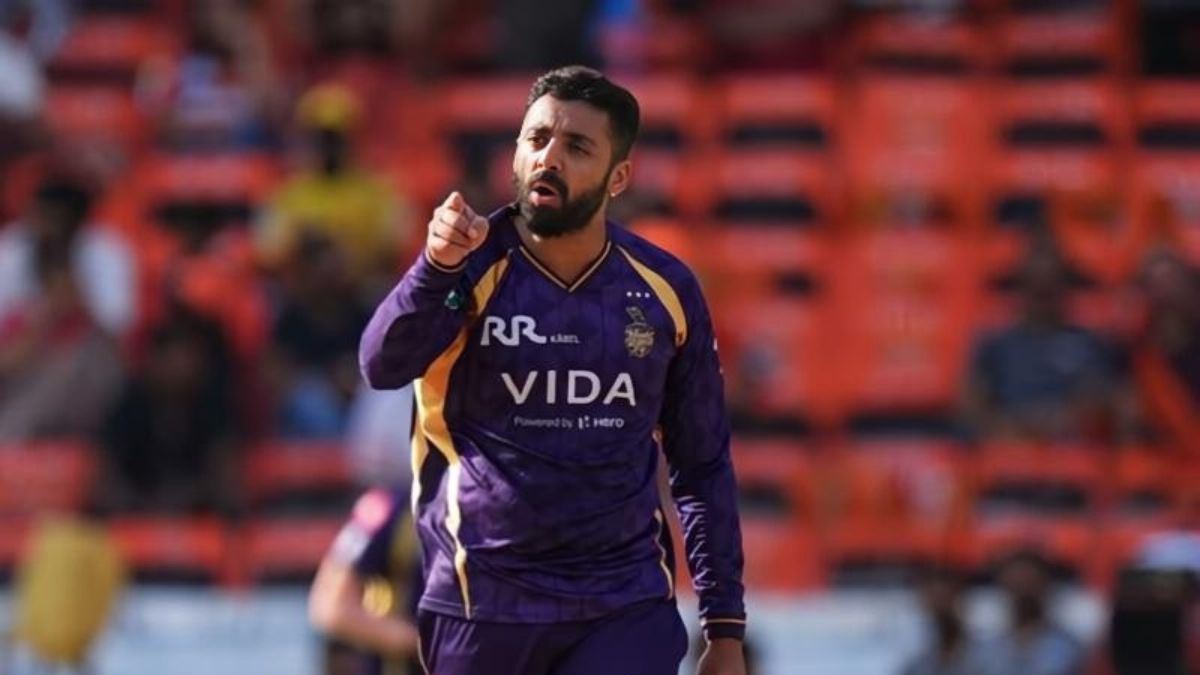
It's hard to miss how much Varun has slipped. He gave up 7.46 runs per over last season. Now it's climbed to 8.62. What stands out isn’t just the numbers but how shaky his deliveries look these days. Right from that flat World Cup run, hints of decline showed clearly, yet nothing since then, especially through IPL 2026, has hinted at any real recovery.
Seven wickets for Kuldeep, ten for Axar - both still get men out. Still, the runs leak faster than before through both arms. What once looked tight now spills over, measured differently against past seasons. Numbers stay useful, though the cost climbs higher behind them.
Why IPL 2026 has been so difficult for spinners
Little shifts decide spin battles in T20 games now. By 2026, the IPL sharpened that edge further.
Wet evenings keep bringing dew onto the field. When the ball picks up moisture, fingers lose hold right away. Spin slows down. Movement fades fast. What should dart sideways ends up sitting still in the air.
Finger spinners find it just as tough as wrist spinners when dew rolls in - grip fades, so touch vanishes. Control slips away without warning once moisture settles on the ball.
After that, surfaces become tricky. Not smooth, never flat - each one fights back differently. One ground feels like sandpaper under the ball. Then another lets it zip through as if oiled. After five overs, some surfaces drag the pace down hard.
Elsewhere, speed holds steady till the last over. Spin bowlers adjust every single time they run in - sometimes quicker, sometimes shorter, looping higher or slipping fingers differently. Doing this day after day wears the mind thin.
Over the course of the event, spin bowlers from abroad have taken firm control, a quiet contrast to India’s own, who now cost more runs and feel far less dangerous.
Sunil Narine keeps doing it - showing up in ways that surprise again. Averaging just 6.64 runs per over, he's taken 11 wickets so far. Back then, his number was 7.81, which seemed good enough. Yet now, batsmen struggle more than before to find gaps.
Rashid Khan shows up next. Last season fell short when measured against what people expect from Rashid. Nine wickets came too slowly, with runs leaking at more than nine an over. Yet 2026 shifted things sharply into balance. Though Indian spin bowlers struggle with the pitch, Rashid finds ease where Narine already thrives.
Also Read: LSG vs CSK Pitch Report: Ekana Stadium Stats and Records Ahead of IPL 2026 Match 59
The difference between surviving and mastering conditions
What ties Rashid to Narine isn’t style, but how fast they shift. One moment rigid, the next bending without breaking. Not similarity in action, yet response defines them both.
Even when conditions shift - damp grass, bouncy surface, or flat bounce- they stick to what works. The spots they target hardly drift. Speed shifts come slowly, almost hidden. When tension builds, their thinking holds firm.
What stands out is how they hold on to who they are, even when things get tough.
What's missing for India’s spinners lately is exactly that steady touch.
It happens more than you'd think, bowlers stepping back instead of pushing forward.
A Temporary Dip or Something Bigger?
Even now, calling it a full-blown crisis feels off the mark. Fast-paced T20 games shift momentum fast. A single strong performance wipes out long stretches of uncertainty. Not every player needs proof - some already own it.
Take Varun Chakravarthy, his record speaks without noise. Kuldeep Yadav bends the ball where others cannot reach. Then there is Axar Patel, steady when pressure climbs. Each has stood tall on big stages before. Moments define players more than averages ever could.
Yet IPL 2026 clearly showed something missing. Week after week, Rashid Khan and Sunil Narine show what real consistency looks like. Their numbers don’t lie - tight lines, fewer runs, constant pressure.
Even when skies turn dull or pitches flatten out, others struggle while these two tighten their grip. Most bowlers falter under such strain; they thrive instead. One day, India’s bowlers must rise to that level once more.
Also Read: Cricket news in India
