


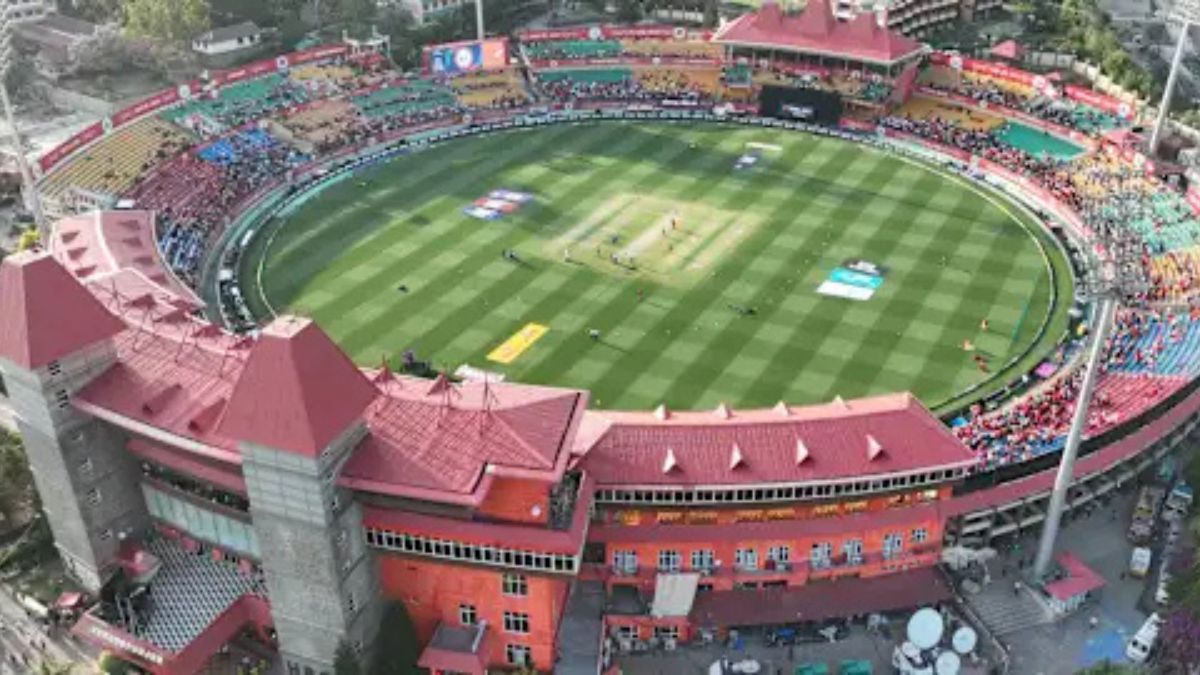
Above, thin air bites with quiet tension ahead of IPL 2026 Game 58. Once roaring through the season - six victories in seven, the Punjab Kings now pause, uneasy. Losses pile up, four without relief, slowing their rush toward first place. Now it feels less like certainty, more like survival.
Among tall cedars, Shreyas Iyer guides men hoping height might clear their heads. A stumble here could mean missing out when it matters most.
Mumbai Indians stepping in like a side backed into a corner. A bumpy ride marks their journey, full of near misses and setbacks; yet even without finals on the line, they can still shake things up.
That heavy defeat to RCB still lingers, so pride now fuels what remains for Hardik Pandya's group. On paper, Punjab Kings lead slightly - 19 wins against 15, having chased down a win by seven wickets at Wankhede not long ago. High above sea level, though, records seem to fade, as light does in cold mountain air.
Dharamsala weather report ahead of PBKS vs MI game
High in the Dhauladhar range, summer's furnace feels like a rumour. Around noon, the air sits near 19°C - sharp relief compared to Mumbai’s thick, wet heat. Still, these heights shift without warning. The valley holds dampness close, humidity stuck at 72%, while wind moves through with a steady cold touch.
When the lights come up, so does the hush of possible rain. Though storms should fade by early evening, wet drops might still fall - odds at one in five when play begins. Mud could cling underfoot. A steady wind from the lower left drags across the pitch, tugging each pass off course. Spectators will see ninety minutes unfold, just not without shivering through them.
Also Read: “Patience and simplicity worked”: Kagiso Rabada after GT’s dominant win over SRH
PBKS vs MI Pitch Report for Match 58
On May 14, the game will be played at the Himachal Pradesh Cricket Association Stadium in Dharamsala, starting at 7:30 PM IST. Competitive matches have come out of this ground when it comes to T20s, where teams batting first usually make around 135, a figure that sits eight above what follows in the second innings.
Most batters find the Dharamsala pitch easy to handle. Three times in the past two IPL games here, sides passed 200 runs across their innings - proof of how open it can be. While chasing, knowing this helps shape decisions early.
Even though the pitch helps batters, most captains who win the toss usually choose to field first. At this ground, in eleven international games so far, chasing sides have won seven times, showing that putting runs up early matters when floodlights come on.
Out here at HPCA, quick bowlers still get what they need. Thanks to the altitude, the breeze feels sharper, giving extra lift off the pitch. A bit of grass stays on top because officials want true pace behaviour throughout. Guys such as Arshdeep Singh or Jasprit Bumrah might grab movement right away.
At the start, especially, the ball could behave wildly - cutting sideways out there in that crisp atmosphere before calming down later. After the ball loses its early zip, batsmen start to dominate. Less resistance up here lets even shaky shots fly far. Because the outfield is tight - just 77 meters out, every mis-hit has a chance to find the edge. Chasing below 200, that total won’t offer much comfort.
Bounce over dust, that’s what sets this pitch apart from southern outfields. While spinners usually hunt for grip, here it slips through their fingers. Yet Chahal could thrive, not because the ball turns sharply, but because the extra lift disguises his tricks better.
Up here, where the air’s thin, every shot zips quicker, rolls longer, mistakes vanish instantly. Punjab fights to reclaim what slipped away. Mumbai waits, ready to push when the balance wavers.
Also Read: Today cricket news
