


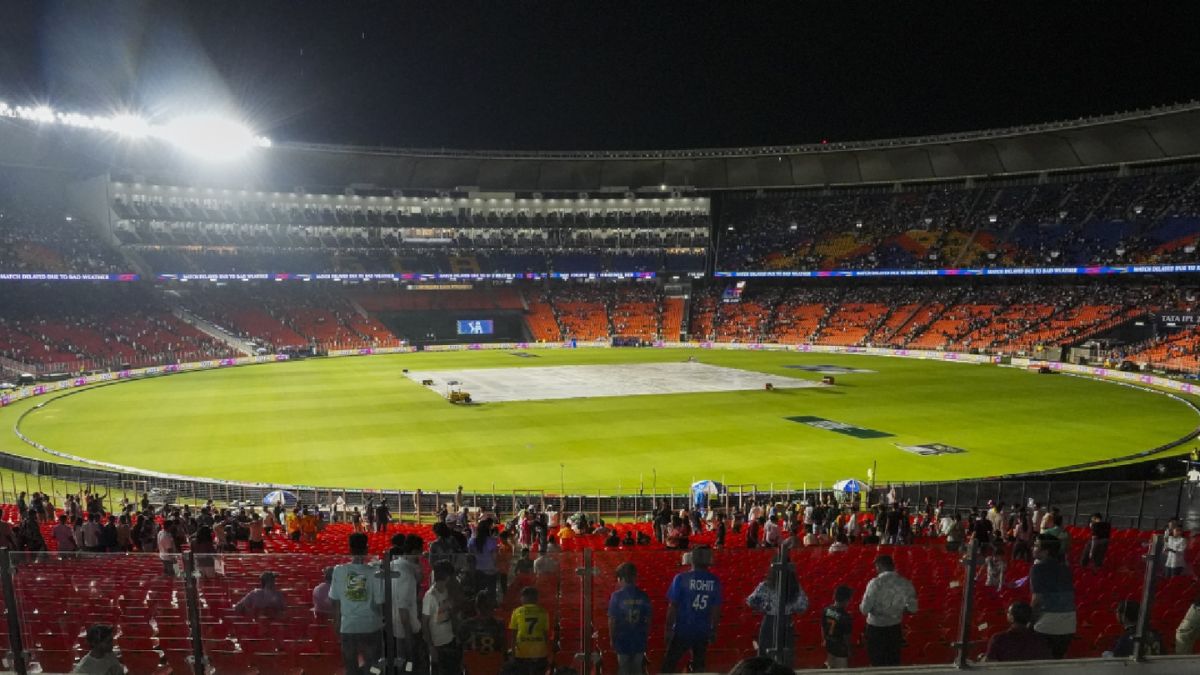
Monday night in Ahmedabad brings cricket where concrete curves meet open sky. Mumbai Indians walk in carrying more than gear, each step marked by losses piling up since the opening week. Gujarat hosts them here, steady on familiar soil where past wins have hardened the turf.
People will flood the seats, voices building as shadows fade behind the stands. Heat sticks to everything, slow to leave even when the sun vanishes westward.
Hardik Pandya isn’t chasing nostalgia; he’s fighting to stay relevant. GT hums along, thanks to Shubman Gill’s steady hand, but Mumbai stumbles, lost in confusion. When the sun dips low, plans start bending, thick heat first, then a slick layer of dew slowly takes hold. The air thickens. The pitch now listens more to moisture than to tactics.
GT vs MI Weather Report
Around 32 degrees Celsius, that's where Ahmedabad’s warmth will settle by evening. Later on, dew might take charge, making it easier for batters when the second half begins. The sky stays clear, without any sign of rain interrupting what’s planned. Play can go ahead without stops, nothing standing in its way.
Tomorrow's weather in Ahmedabad stands in sharp contrast to the stormy east; rain won’t show up at all. Not a single cloud expected to pass overhead, just steady sunlight from morning on. Heat builds through the day, made worse by sticky air that clings close. Humidity climbs like it always does here each April, turning every breath heavier.
Later tonight, humidity levels should rise to near 45 percent, making the field damp underfoot. With barely any wind moving through from the west, that wetness sticks around long after sunset. Moisture clinging to the pitch slows traction just enough to unsettle bowlers relying on spin. Heavy air changes how the ball travels, with less lift and more slide on impact. Batters who swing hard tend to benefit when conditions shift like this.
Narendra Modi Stadium Pitch Report for the GT vs MI game
Monday’s game in Ahmedabad might feel familiar to batsmen who’ve dominated here all season. Expect a hard, dark-soil surface that stays steady underfoot. Bounce should hold true, letting stroke-makers commit fully shot after shot. This surface rarely surprises those willing to drive on the ground.
Midday sun bakes the ground hard, leaving cracks that could help Rashid Khan find grip early on. Once shadows stretch across the field, though, everything shifts under artificial light. Chasing works better here; the data show 10 wins for second-batting teams in 15 recent T20S at this spot. A total of 188 usually feels safe until moisture arrives, making the ball slippery and tough to control when trying to hold a target.
Also Read: RCB script IPL history in Chinnaswamy with something even CSK and MI never managed
When the game nears its peak, the pitch usually plays fair, yet moisture from evening dampness tilts things sharply to the team chasing. Winning the flip often leads straight to choosing to bowl first, enduring daytime intensity while counting on slick conditions later easing run pursuits.
With MI's bowlers off form and GT's quicks sharp, hitting the mark again and again becomes the sole measure of worth when nature lifts those bold enough to trust it.
Flat and even, the surface at Narendra Modi Stadium favours batters who like clean contact. Stroke players find rhythm easily because the ball comes through steadily. As darkness falls, teams chasing gain an edge. This shift happens mostly when dampness builds up later in the game. Moisture changes how the ball behaves under lights.
