


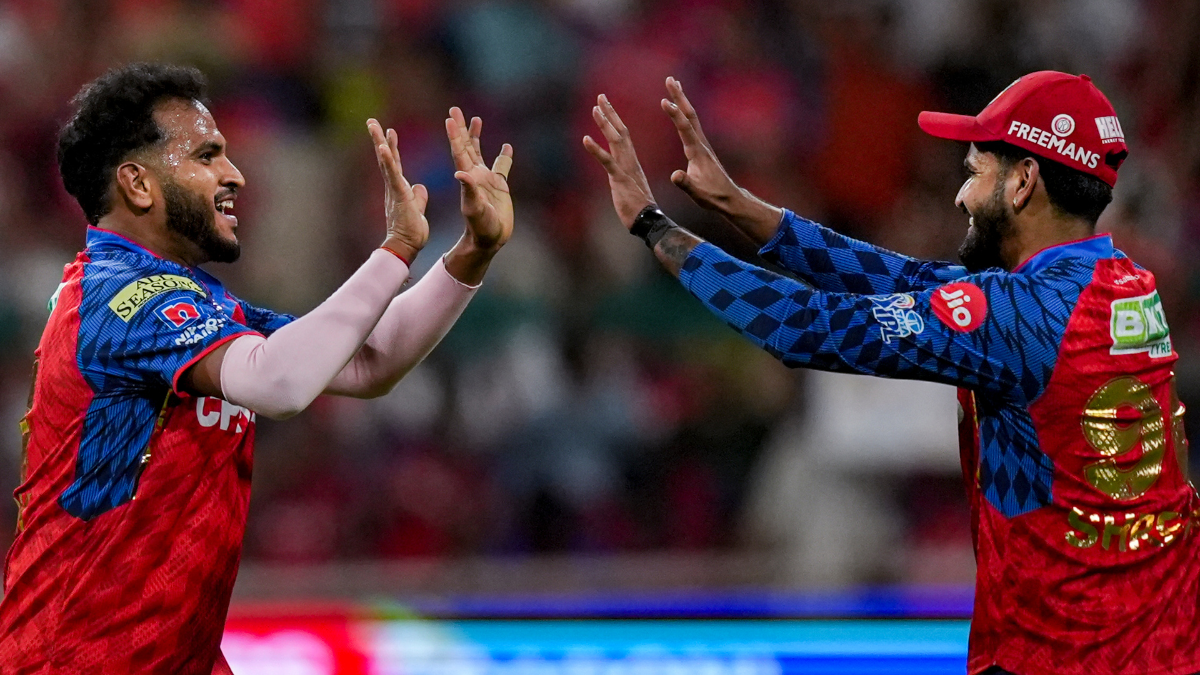
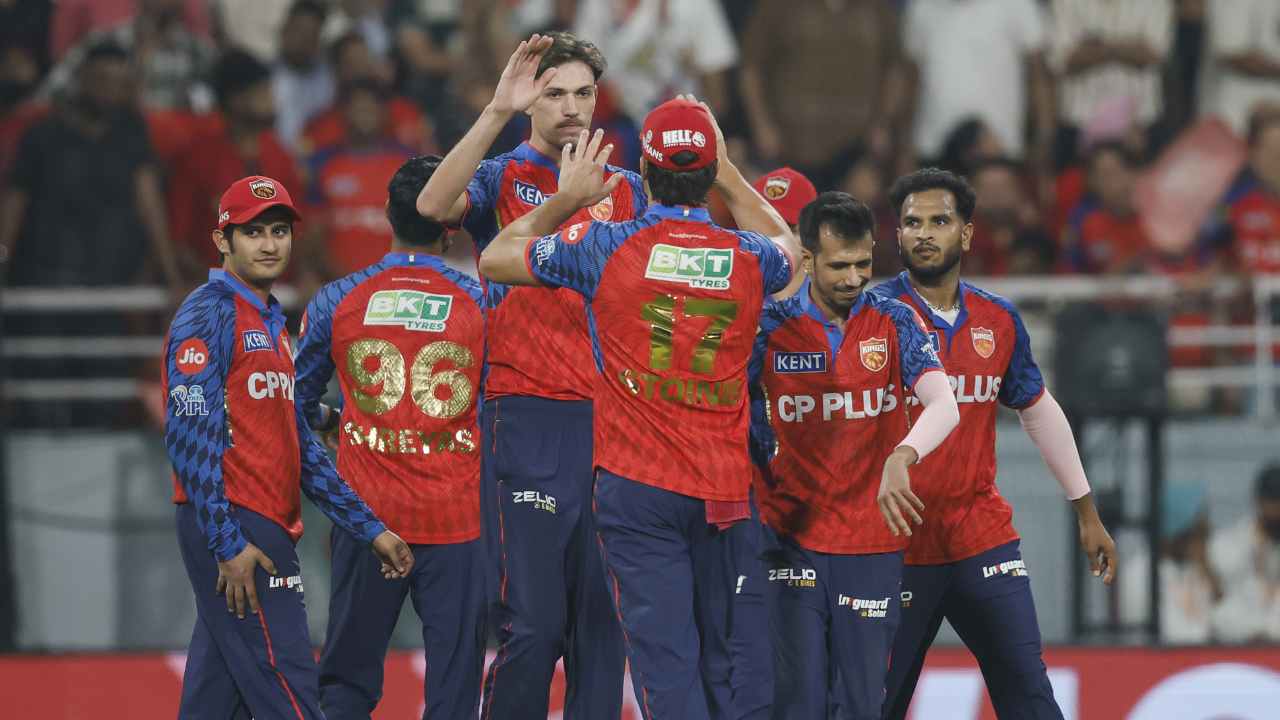
A cheer erupted in Mullanpur, yet silence followed for Lucknow’s players. Their rhythm feels distant now, lost somewhere along the season's path. Punjab posted 254, the highest total ever seen here, lifted by fierce hitting and steady support. In reply, Lucknow never found footing, bowling tight early, then finishing strong, the hosts kept pressure constant. Fifty-four runs separated them in the end, though the gap seemed wider on scoreboard reflections. For Pant’s team, progress stalls; they linger below the midpoint in standings.
Here are the six key reasons why LSG lost to PBKS:
1. The Priyansh Arya Storm
Priyansh Arya began like a storm, smashing 93 in only 37 deliveries at the top for Punjab. With every hit, the scoreboard burned - LSG's bowlers stood still under fire. That wild pace, a strike rate near 252, broke their rhythm fast. When he finally walked back, heads had dropped on the opposition side; chasing calm felt impossible. Over two hundred fifty now seemed inevitable, built on raw force and timing.
2. Death Over Carnage: 254 was too much
Out wide in the last five overs, LSG's bowlers couldn’t slow things down. While Cooper Connolly smashed 87 from just 46 balls, Shashank Singh added 17 in only six. Even Avesh Khan, normally steady, gave away runs at 15.33 per over. Then there was Mohammed Shami, his usual control missing, economy ballooning to 14.00. On a pitch where teams win by around 190, leaking 254 felt less like bad luck and more like surrender.
3. Opening Partnership Paralysis
Out here chasing more than 250, you need fireworks fast. Yet LSG’s top two - Mitchell Marsh and Ayush Badoni couldn’t find rhythm early on. Marsh did reach 40. Still, his pace fell short against a steep demand close to 13 an over. Without a power play surge, tension spilt instantly into the shaky middle lineup.
4. Rishabh Pant’s Fitness and Form
Rishabh Pant limped back into action after that elbow setback, clearly uneasy on the field. Even though he made more runs than anyone else in his team, getting to 43, trouble finding gaps at the start slowed things down. With boundaries hard to come by early, the target began climbing soon over 16 per over. He still hasn’t cracked 125 for the season in strike rate terms, a quiet red flag given who he is and what these matches demand.
5. Yuzvendra Chahal’s middle-over squeeze
LSG looked set to gain momentum, then Chahal stepped in. One wicket on the board, true, yet his runs per over mattered more than the scorecard showed. While others ran fast, he held tight at nine. That control shifted the balance without noise. Pooran found no space to unfurl his shots. Pressure built quietly, leaking into decisions at the opposite end.
6. Failure to neutralise Arshdeep Singh
Arshdeep Singh showed exactly why Punjab trusts him most. Not only did he send down sharp deliveries, but each one carried thought behind it. With shifts in pace and spot-on yorkers, drawn from more than a hundred matches under pressure, he kept LSG guessing at every turn. Boundaries came in fits and starts, never flowing freely thanks to his control. Right from the first over, they were responding instead of setting the tone themselves.
