


Table of Contents
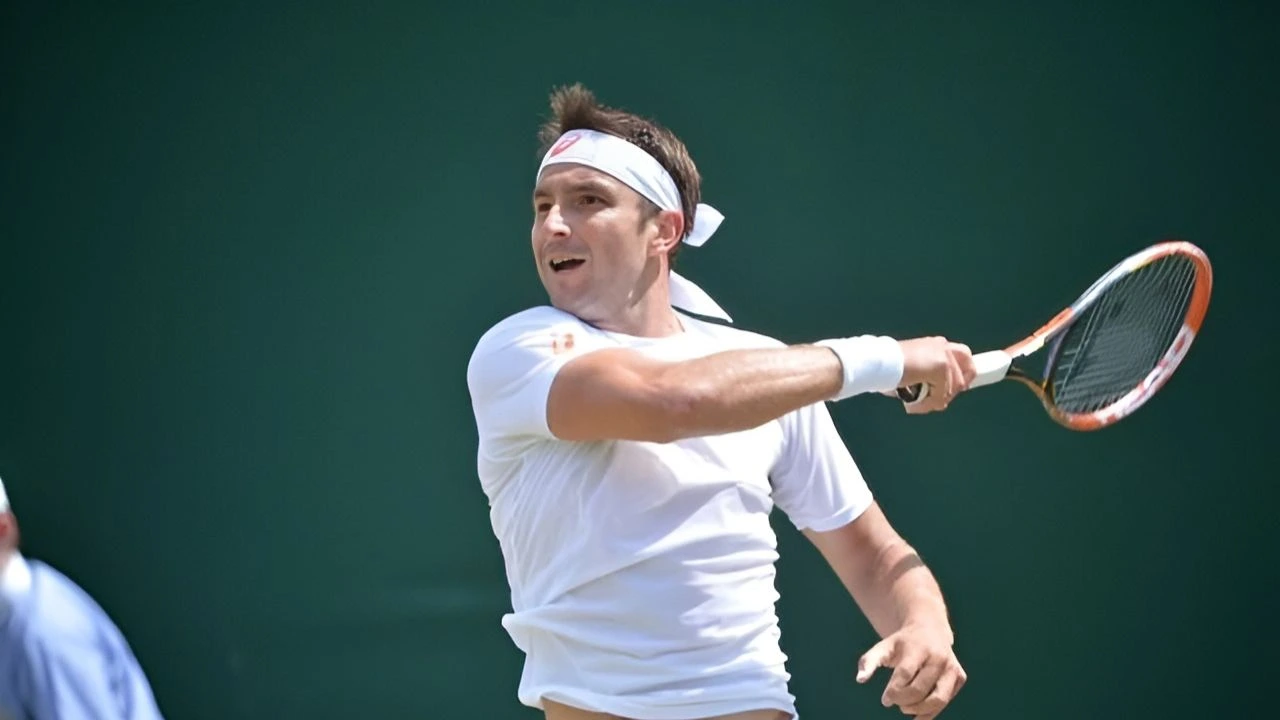
Marinko Matosevic, the former Australian number one and world number 39, has been handed a four-year ban by the International Tennis Integrity Agency.
The ban was confirmed on March 16, 2026, and the details of what the independent tribunal found, what Marinko Matosevic himself said about it and what it means for a man who has spent his entire adult life in tennis are worth going through properly.
What Marinko Matosevic did and what the tribunal found
The violations took place between 2018 and 2020 which means they occurred after Marinko Matosevic had officially retired from playing.
The tribunal found him guilty of five anti-doping rule violations including using a prohibited method through blood doping while still an active player, facilitating another player to blood dope, providing advice to other players on how to avoid positive tests, and the use and possession of the prohibited substance clenbuterol.
A single charge relating to possession and use of clenbuterol pre-dating 2020 was dismissed. His results and prize money from two tournaments in February 2018, the Morelos and Indian Wells ATP Challenger events, have been annulled and the suspension runs until March 15 2030.
Tribunal chair Michael Heron KC was direct about the severity of what Marinko Matosevic had done. He said the Australian's actions went far beyond passive association and constituted intentional participation in violation of the Tennis Anti-Doping Protocol adding that the conduct struck at the integrity of the anti-doping framework.
Marinko Matosevic denied all charges throughout the proceedings until he admitted to blood doping in a social media post shortly before the hearing was scheduled to take place. He said he received a blood transfusion in Morelos Mexico in 2018 and retired the following week partly out of disgust at what he had done.
An independent tribunal has suspended Australian tennis coach and former player Marinko Matosevic for four years under the Tennis Anti-Doping Programme.
— International Tennis Integrity Agency (@itia_tennis) March 16, 2026
An independent tribunal determined that Matosevic committed five anti-doping violations, including blood doping, possession… pic.twitter.com/wGjRDhyGPu
Also READ: Jannik Sinner records historic milestone at Indian Wells and he is only 24 years old
What Marinko Matosevic said and why the tribunal rejected it
Marinko Matosevic published a lengthy statement through Australian tennis website The First Serve in February before the tribunal concluded and was sharply critical of the ITIA's investigation methods.
He described the organisation as corrupt and claimed the case against him was built largely on text messages and photos that were five years old. "They take your phone number under threatening circumstances and make legal cases over photos and text message assumptions that are literally five years old.
The whole process is corrupt and lacks credibility as we have seen over the last few years." The tribunal dismissed all of these allegations as without merit and confirmed that the ITIA had acted within the authority granted to it under the Tennis Anti-Doping Protocol.
In the same statement Matosevic also expressed genuine remorse about the blood transfusion itself. "I was disgusted with myself. I retired the following week at the age of 32 and a half. Shortly after I realised how precious life is and how serious and reckless my decision was. I am writing this confession letter firstly to warn other athletes against doing anything that may harm their health and put their lives at risk because there is a long life after an athlete's career."
Who Marinko Matosevic is and what the ban means for his career in the sport
Matosevic turned professional in 2003, and spent the better part of a decade working his way up the rankings before breaking through properly in 2012 when he won the ATP Most Improved Player award.
He reached a career high ranking of world number 39 in 2013 and became the Australian number one at that time. He retired from playing in 2018, and moved into coaching working with fellow Australians Chris O'Connell and Jordan Thompson.
The four year ban effectively ends that coaching career until 2030, and removes him from any involvement in the sport he has been part of since 2003. He is 40 years old and will be 44 when the suspension expires.
