


Table of Contents
This clash feels heavier. Not just fireworks, but ideas on display when PSG meet Arsenal. One coach builds patiently through layers. The other strikes fast before balance returns. Their styles stand apart, forged by separate paths. Each decision tonight echoes months of work unseen.
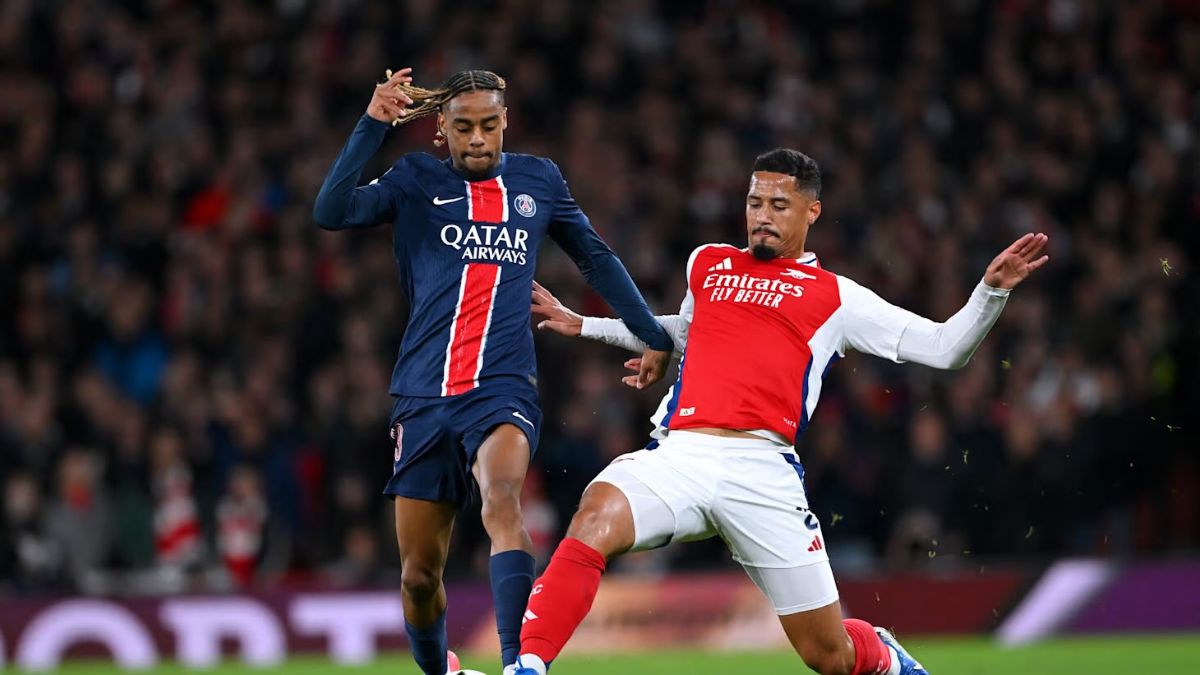
Over here, Arsenal lines up with tight defence, clear shape, and strong control shaped by Mikel Arteta’s methods. Across them comes Paris Saint-Germain under Luis Enrique - wild energy, high pressure, constant motion, space for attackers to roam free.
Back at the big stage, Arsenal make their way into the final after seasons spent piecing things together. Tough at the back, they stood, scoring when chances came from dead-ball situations. Flowing forward with flair, PSG bring excitement few can match across the continent. Overpowering attacks define their path, breaking down walls others build.
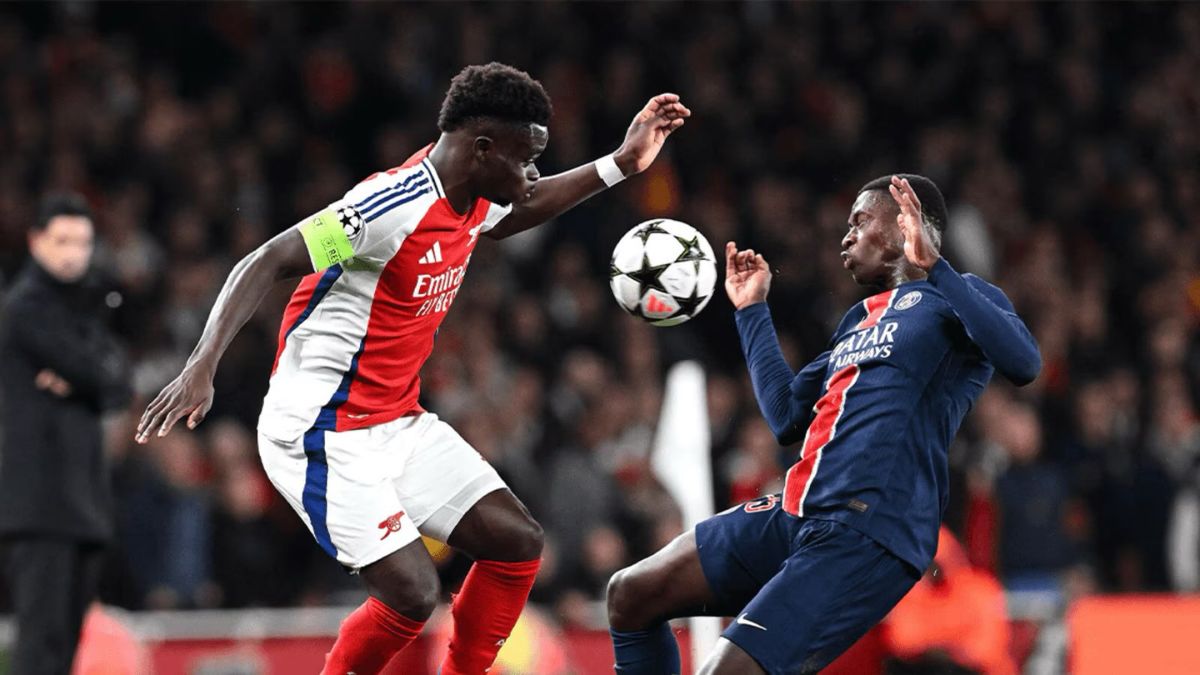
Though Ousmane Dembele, Bukayo Saka, Khvicha Kvaratskhelia, and Martin Odegaard grab attention, what really shapes the outcome might escape most eyes. Hidden patterns often steer such moments more than star power ever does.
Luis Enrique’s controlled chaos of PSG
Luis Enrique began changing how PSG plays. Instead of waiting for stars to decide games, he pushed a setup where everyone presses hard and moves with purpose. The team now acts as one unit, not just a collection of talent. His approach thrives on timing, pressure, and smart spacing across the field.
PSG’s oddest habit this season also happens to work surprisingly well. Right after kickoff, or when starting from the back, they often send the ball deep down the line, straight out of bounds. Looks messy at first glance. Actually, every throw like that fits a quiet plan.
PSG have sent the ball wide on purpose many times this season in both Lighthouse One and Europe's top club competition. Because they know what comes next - when opponents take that throw near the sideline, space tightens fast. Then, like clockwork, their pressing machine kicks in without delay. Football got sharper when Paris Saint-Germain beat Bayern Munich in the semi-finals.
Instead of chasing loose passes high up the field, Paris made sure every turnover happened on their terms.
Can PSG silence Bukayo Saka?
What stood out most? PSG’s aggressive positioning limited Bayern attacker Michael Olise more than expected. His usual spark faded under constant pressure from the midfield. Instead of driving forward, he spent minutes tracking back. The space he typically owns shrank game after minute. Even when he found pockets, passing lanes snapped shut too fast. Movement that normally flows turned stiff, interrupted. Every touch felt heavier than the last. By halftime, his role had quietly disappeared.
Olise found little room to move as PSG packed tight around him following throw-ins and quick restarts. Though usually sharp going forward, he kept getting pulled toward traffic in the middle, where numbers swarmed each time. Space vanished fast whenever he touched the ball near the centre. Their pressure shut down lanes before he could turn.
That same blueprint could now be aimed directly at Arsenal’s most dangerous attacker: Bukayo Saka.
Back in Budapest, Saka moves with fresh legs following his recovery from an Achilles problem. Sharp again, he delivered key goals and setup moments late in Arsenal’s season push. Out wide, he finds room between markers, turning tight zones into chances. That knack shapes how Arsenal break down defences. Moments like these keep their front play alive.
Luis Enrique must stop those gaps from showing up at all.
Out front, if PSG stick to their high-energy sideline pressure, moving the ball cleanly via Saka’s flank might test Arsenal early. Shaping up down the wings, how Paris’ tight group presses match against Arsenal’s broad passing links could quietly steer the game's direction.
Arsenal’s midfield could hold the key
Even when pushed hard by PSG's attacking moves, Arsenal have individuals who can stay steady under stress. Myles Lewis-Skelly might carry a big part of it, while Martin Zubimendi could share the load just as much. Responsibility often lands where effort shows, and here both players seem positioned to respond when needed most.
Lewis-Skelly stepped up when Arsenal needed balance in midfield. Not easily knocked off the ball, he stays cool even when opponents close in fast. During that match with Atletico Madrid, heavy pressure didn’t rattle him one bit. Moving through tight areas, his choices kept things flowing without rushed passes. Possession stayed alive near their goal because he refused to panic.
Out on the pitch, Zubimendi slots into a like-minded role - sharp thinking, smart placement. When things tighten up, his knack for slipping free using short, timed passes could make all the difference. Should PSG press high and crowd Arsenal’s rhythm, that calm under the squeeze might just hold everything together.
Patience might serve Arteta's team better than rushing headlong into battle. To beat back PSG’s aggressive pressing, sharp passing matters, so does staying alert, along with calm control under pressure; these are things Arsenal have slowly sharpened through months of play.
The set-piece battle PSG cannot ignore
While PSG's offence packs a faster punch, Arsenal might just have the upper hand when play restarts from set pieces. Corner after corner, Arsenal found the net more than any team before them. 25 times they scored from dead-ball moments, 19 just from corners - numbers never seen in the league’s history. Each chance at a set-piece felt dangerous. Free kicks out wide carried real weight, too. What used to be routine now looked like an opportunity.
Under high balls, their keeper hasn’t always been steady, making that detail matter even more when facing PSG. Inside his own box, Safonov might not get much peace if Arsenal have anything to say about it. Though he could matter a lot when PSG keeps the ball, space and time won’t come easily. Not long ago, ex-Arsenal keeper Graham Stack pointed at the Russian goalie, calling him the only soft spot in a squad that scares most teams.
Goalkeepers facing Arsenal have looked unsettled by moves drilled under set-piece specialist Nicolas Jover this term. Near the net, expect players to close in on Safonov, chase loose rebounds, then challenge hard in tight spaces. Those actions likely sit at the core of Arteta’s thinking.
If the game stays tight, set pieces might make the difference. When few clear opportunities arise, small details tend to matter most.
This final in the Champions League seems tipped neither one way nor another. PSG show up flashing sharp attacks that can bury any team. Meanwhile, Arsenal roll in built tight, thinking three steps ahead, their game plan already proven at home.
Chaos might erupt if Luis Enrique pushes his team into constant attacks. When gaps appear, Arteta’s men will be ready. Precision on restarts often makes the difference. A single mistake, that is all it takes for patterns to unravel.
When Saturday night hits Budapest, just a single idea will rise above the rest. Until that moment arrives, though, Arsenal’s tight order clashes with PSG’s managed disorder, crafting what might be remembered as a standout Champions League showdown.
Also read: Argentina squad for FIFA World Cup 2026: Lionel Messi to lead; Real Madrid start left out
