


Table of Contents
India beat England in the T20 World Cup 2026 semi-final by seven runs. While it was Comfortable enough on the scoreboard. It wasn’t Not so comfortable to watch.
The innings was carried almost single-handedly by Samson, who hit 89 off 42 balls. The bowlers were nervous at the end, but they held their nerve. The crowd at the Wankhede stadium was fully behind the bowlers from the fast ball to the last ball. But somewhere inside that dressing room, even after the victory, the team management will definitely be thinking about the final in Ahmedabad. About March 8. About New Zealand. And about a decision that has been quietly building up throughout the tournament and can no longer be put off.
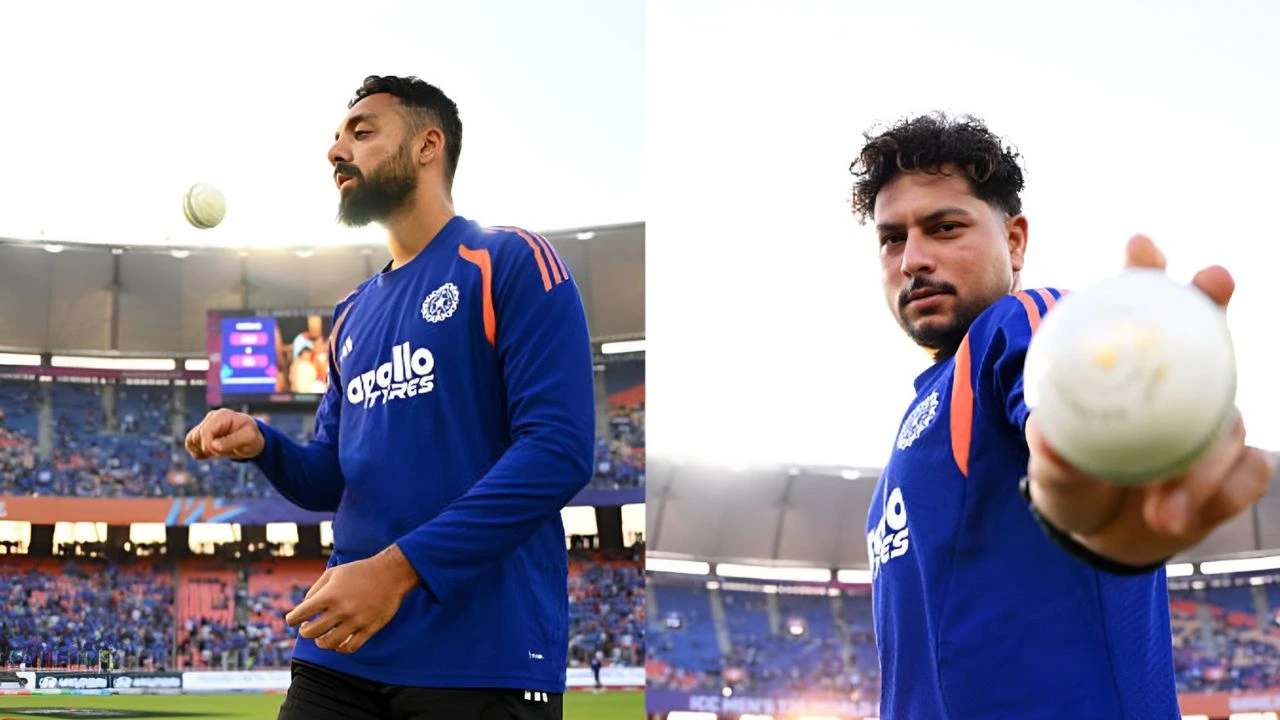
India have a bowling problem. Specifically, they have a Varun Chakaravarthy problem. And the final is just three days away.
The Varun Chakaravarthy's mystery that got solved
Varun Chakaravarthy was genuinely brilliant in the group stages. Nine wickets, economy of 6.88, batters from associate nations looking completely lost against him. Varun Chakaravarthy had that rare quality the ability to make good players look like they had never faced spin before. The mystery tag felt earned. It felt real.
Then the super 8 rounds arrived. And the mystery of Varun Chakaravarthy started looking a lot less mysterious.
Against South Africa, expensive. Against West Indies, expensive. And then against England in the semi-final, Jacob Bethell simply took Varun Chakaravarthy apart. By the time that spell was over, Varun Chakaravarthy had conceded 64 runs the most expensive spell ever bowled by an Indian in T20 World Cup history. Not a rough game. A historic one, for all the wrong reasons.
The numbers spell it out plainly. Economy of 5.16 in the group stages against associate nations. Economy of 11.62 in his last four games against Test-playing nations. That gap is not a bad day. That is a pattern. And New Zealand's analysts will have watched every single ball of that Bethell assault and already have a plan ready.
The mystery has been found out. The question now is what India does about it.
The man sitting on bench
Kuldeep has been watching all of this from the dugout. Quiet, patient, ready. A career T20I average of 13.74, the second best in history among spinners from full-member nations. A man who has been in big finals before and showed up when it mattered. A bowler whose entire game the drift, the dip, the flight, the ball that pulls the batter forward and makes them generate their own power, is the complete opposite of everything Varun does.
And that contrast matters most when the batter's name is Finn Allen.
Allen just hit a 33-ball century in the semi-final. He is the most dangerous white-ball batter in the tournament right now and he is arriving in Ahmedabad with nothing to lose. The way Allen bats, hard, flat, looking to hit through the line, means Varun Chakaravarthy's quicker darts are not a threat. They are an invitation. Allen strikes at over 202 against that leg spin in T20I cricket. So Kuldeep Yadav is not just a selection option here. Against Allen specifically, he is a trap waiting to be set.
Also READ: The X-factor behind India's T20 World Cup 2026 semi-final win and England’s defeat at Wankhede
The ground that changes everything
One thing that does not get talked about enough is the venue itself. The Narendra Modi Stadium in Ahmedabad is a vast ground. Shots that comfortably clear the rope at the Wankhede get caught at deep midwicket there. The dimensions change the game and they change it in ways that suit one spinner far more than the other.
Kuldeep Yadav's whole style is made for a ground like this. He invites the big shot. The drift and dip bring the batter forward, the flight tempts the drive, and the boundary does the rest. Varun Chakaravarthy's flatter, quicker style works on smaller grounds where pace and awkward angles cause enough problems on their own. At Ahmedabad, on a surface likely to offer turn and grip, the ground itself becomes Kuldeep Yadav's ally.
India beat England by seven runs in Mumbai. It was close. Too close. Going into a World Cup final carrying the weight of a 64-run spell, against a team sharp enough to have already studied every frame of it, is a risk that simply does not need to be taken when the solution is already in the squad and has done it all before.
Pick Kuldeep Yadav. Use the ground. Set the trap early for Allen. And back a bowler who has experienced of playing in finals before to do it one more time. The decision is not complicated. It just needs India to be honest about what they saw in that semi-final and confident enough to act on it.
