


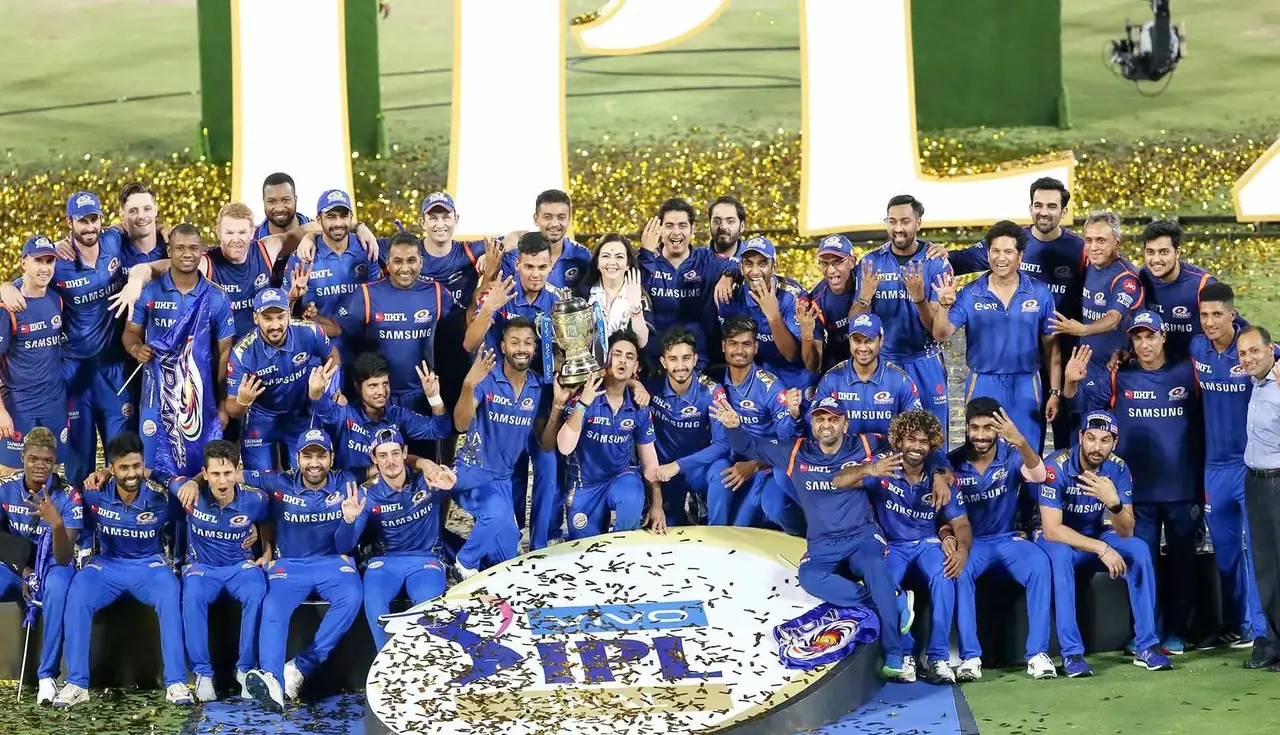
Every IPL season brings a season to remember, for not just the final and iconic trophy-winning moments, but for the chapter of the winning team. If we take a close look at every franchise that has won an Indian Premier League (IPL) title. You’d understand that the title-winning season was not merely based on blockbuster performances and big signings alone.
With the league being as tense and very unpredictable as it is, with players of various countries and backgrounds in cricket, it becomes very important to create the right environment as the players converge and want to play in a very limited but high-stakes campaign.
Whether it is strong leadership and good roles, intelligent scouting and data-driven strategies, the most successful franchises are those that establish systems upon which people have flourished, and the team is a well-knit and bonded team.
But what makes a successful IPL franchise? Let us have a look:
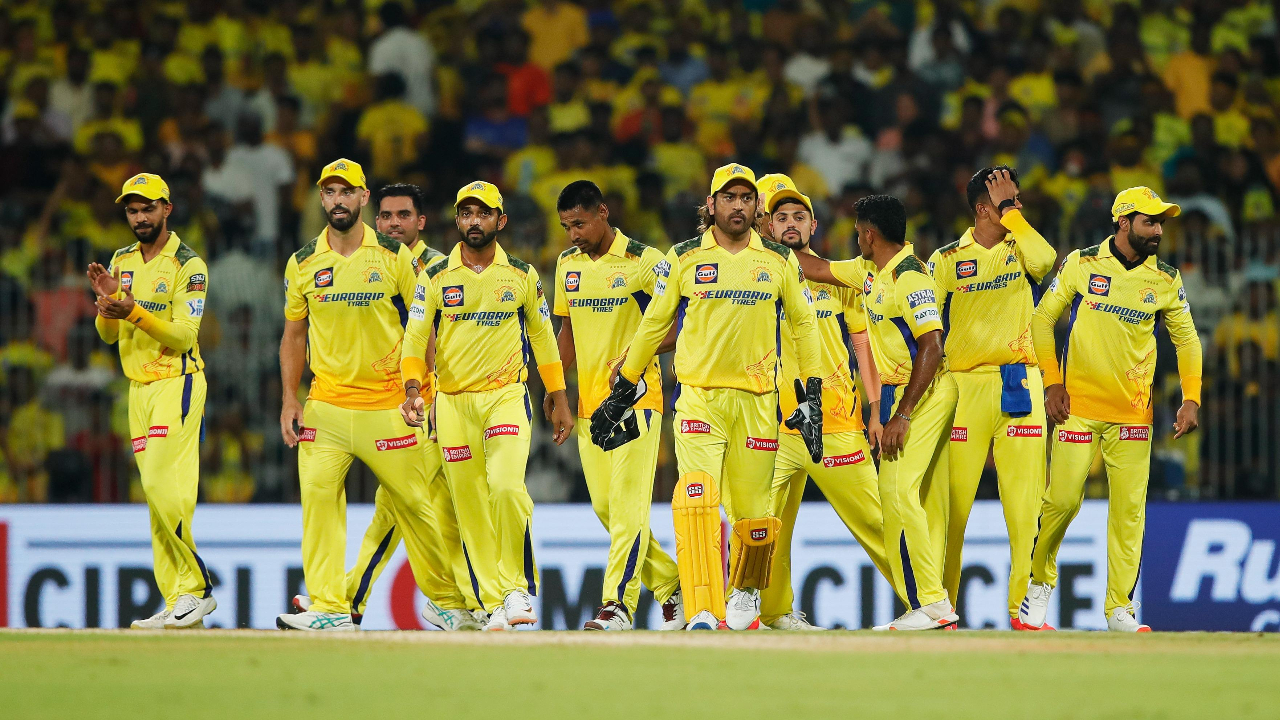
1. Team Identity: A team identity is what defines a successful IPL franchise. In a competitive league where teams frequently change after every few seasons, a team that has a certain playing philosophy tends to play more reliably. This identity applies to all aspects, including the type of players that a franchise may target during the auction, to the manner in which a franchise approaches various stages of a match.
For example, the Chennai Super Kings is a good example of a well-defined team identity. The franchise, over the years, has been keen on developing a balanced team of players who have experience in playing under pressure. The team under the leadership of MS Dhoni has focused on relaxed decision-making, versatility in batting, and an effective bowling team that can fit in various circumstances. This has been a major philosophy that has contributed to the success of the franchise over a long period of time in the IPL.
2. Strong Leadership: Having strong leadership in the team counts as a strong leader and experienced coach can make a significant difference. Leaders set the team’s approach, on-field strategies, and affect the dressing room atmosphere.
Good leaders are bound to have captains who can feel calm under pressure and make decisive tactical decisions when the situation is critical. A calm leader will be useful in creating a stabilising device when games get tight, and to make sure that the players remain in the game and not the outcome. Captains who express confidence in their teammates inspire confidence in the dressing room and ensure that the players will work without fear.
For example, a tactical decision under intense pressure by Rohit Sharma in the 2019 IPL final against the Chennai Super Kings. Using Lasith Malinga for a slower ball on the last ball against Shardul Thakur proved to be a crucial moment for their 1-run victory. “I know Shardul well from Mumbai cricket, so we tried the slower ball hoping he’d go for a big shot”, Rohit said in his post-match conference.
Also Read: IPL 2026 jerseys: A look at kits of all 10 teams ahead of new season
3. Strong scouting: One of the main traits of a successful IPL franchise relies on its strong scouting and talent development. Though it is easy to focus on big-name players, in fact, most teams depend on their scouting system to identify some of the economic cricketing talents of domestic circuits in India. These scouting systems also aid franchises in identifying raw talent at an early age and offering them chances to shine on the biggest stage in T20 cricket.
For example, one of the most talked-about IPL franchises when it comes to scouting is the Mumbai Indians. MI’s scouting team, which includes experts like John Wright and Parthiv Patel, keep a close eye on domestic tournaments. Some great talents that MI recognised are Jasprit Bumrah, the Pandya brothers, Tilak Varma, Akash Madhwal, Ashwani Kumar and Vignesh Puthur.
4. Stability in management: Stability in the management is another key factor that has made many IPL franchises successful over the years. Organisations that do not replace their coaching personnel, leadership team and support systems are likely to have a stronger sense of direction in the long run. Other franchises do not change strategies or switch players after each season of failure, but stable franchises think in the long term, and improve bit by bit.
For example, Chennai Super Kings is the benchmark for stable management in the IPL. As they focus on loyalty and long-term planning, such as handing over the captaincy from MS Dhoni to Ruturaj Gaikwad, to ensure a smooth transition and maintain consistent team culture and philosophy.
5. Data and analytics in decision making: A very different paradigm when it comes to the elements of a successful IPL franchise. Data and analytics have come to form a part of the preparative and decision-making processes of teams in the contemporary IPL.
Franchises are currently banking on statistical analysis in order to learn about player performance, the strength of the opposition, and match conditions. Text analysts collaborate with the coaching team and analyse numbers to offer insights that can enable the teams to plan more efficiently.
6. Defined Player roles: In T20, that is fast, and each over can shift the tide of a match; teams play on a higher level when each player knows well his duties. Role assignment enables the players to concentrate on performing their best instead of just having to adjust to the ever-evolving demands.
The division of certain roles by teams in the batting and bowling groups is effective in bringing about a more uniform and structured line-up. For example, there are those players who are supposed to go on the offensive in the power play, and others are to consolidate the innings in the middle overs or to close the innings well in the death overs.
7. Adaptability during tournament: One of the important characteristics of successful IPL franchises is flexibility, as the conditions and forms of players and matches in any competition may vary quickly. Consistent teams are usually those teams that are able to adapt quickly to the requirements of the tournament and implement their tactics accordingly.
Adaptability is what assists the franchises to remain competitive over the course of the season, whether it is responding to an injury, changing the team combinations, or even adjusting the tactics depending on the conditions of the pitch. For example, the IPL schedule also means that the teams will be playing in other grounds at varying pitch-based and ground-based dimensions. Consequently, winning teams usually adjust their playing XI and tactics to fit certain environments.
8. Fan culture: IPL does not feel IPL without a supportive fanbase, and fan support is what makes every IPL franchise unique in this league. Over the years, teams have built a loyal fanbase, stretching across the country, where every match turns into a vibrant spectacle. When you ask fans why they support their IPL franchise, they state a very simple reason: the emotional connection they share with their franchise.
A fan base that is loyal not only generates an electric mood in the stadiums but also enhances the general identity of the franchise.
Effective teams tend to attract a certain brand name, which their followers can identify with, be it a familiar team colour, a catchy slogan, or a certain playing style. For example, the ‘Yellow Army’ for Chennai Super Kings, ‘Ee Saala Cup Naamde’ mantra for Royal Challengers Bengaluru.
Although talent may be the order of the day in the IPL, it seldom happens that talent alone is enough to achieve long-term success in the tournament. In all successful franchises, one can find a firm team culture that determines the approach of how players prepare, compete and address issues.
Often, these cultural pillars influence the performance of a team throughout a stressful season, as clear leadership and identified roles, good scouting systems, and a conducive dressing-room atmosphere are all part of these cultural building blocks.
A number of IPL teams have achieved a reputation for having good team cultures over the years. As a case in point, Chennai Super Kings have always been synonymous with stability, balanced leadership and team philosophy with its leader MS Dhoni. Equally, the Mumbai Indians have devised a system whereby experienced international players are mixed with upcoming Indian players are managed by effective leadership of figures such as Rohit Sharma.
