


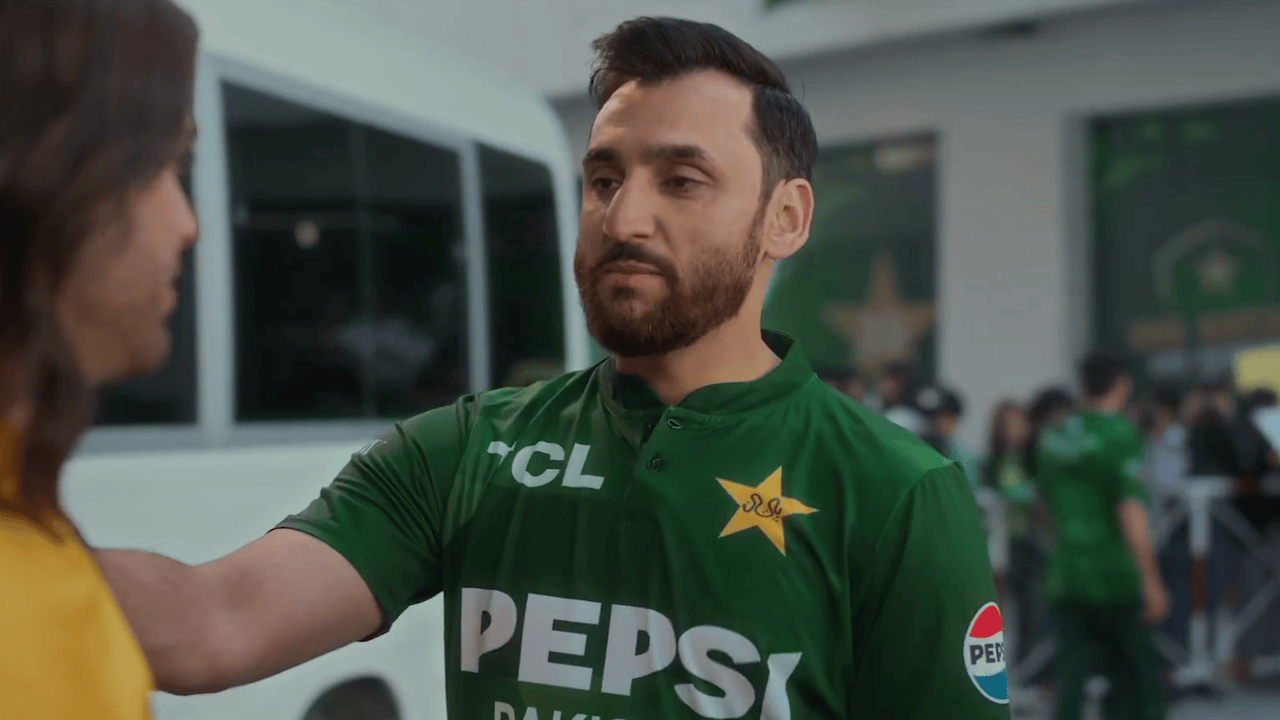
Pakistan cricket has opted for spectacle and a touch of subtle provocation to set the tone for its upcoming home T20I series against Australia. The Pakistan Cricket Board’s newly released promotional video has generated buzz not just for its cinematic appeal, but also for the message it subtly conveys between the frames.
Also Read: Babar Azam’s BBL chapter ends amid recall, form questions remain
On the surface, the promo is textbook modern sports marketing. Glossy visuals showcase Pakistan’s colours, street cricket culture and warm hospitality as Australian visitors explore local neighbourhoods and soak in the atmosphere. It reinforces a narrative the PCB has been keen to promote in recent years: Pakistan is open, welcoming and ready to host the world as international cricket gradually returns to its shores.
But it is a fleeting moment in the video that has ignited conversation far beyond cricket.
In one scene, an Australian visitor is teased with the line: “Handshake bhool gaye aap, lagta hai padosiyo ke paas bhi ruke the”, loosely translated as, “You forgot the handshake, looks like you had a stopover with our neighbours.” Delivered playfully, the reference is unmistakable. It alludes to the long-running handshake controversy surrounding India–Pakistan cricket, where post-match pleasantries have often been conspicuous by their absence. The line may be wrapped in humour, but it is no accident.
“Handshake bhool gaye aap lagta hai ,padosiyon ke paas bhi rukay thay aap"
— junaiz (@dhillow_) January 21, 2026
PCB ABSOLUTELY COOKED INDIA IN THE PROMO FOR AUSTRALIA’S TOUR OF PAKISTAN 😂🔥
That's some content 👌pic.twitter.com/SaQWmCHVkG
From a marketing perspective, the move worked. Within hours of release, the promo spread rapidly across social media, drawing responses ranging from amused applause to pointed criticism. For the PCB, that attention is valuable currency. Today’s cricket promotions are no longer just about selling tickets; they are about commanding narrative space in a crowded digital ecosystem.
There is also a deeper layer to the messaging. By showing Australians being warmly welcomed, Pakistan positions itself as confident, open and sporting, subtly contrasting its approach with more strained regional cricket dynamics.
India, however, does not need promotional jabs to remain relevant. Its presence is felt on the pitch, in ICC tournaments, and across a global calendar that largely revolves around Indian audiences. If handshakes have become selective, it reflects realities larger than sport. Pakistan may chase virality. India can afford to chase results, standards and control of the bigger narrative.
