


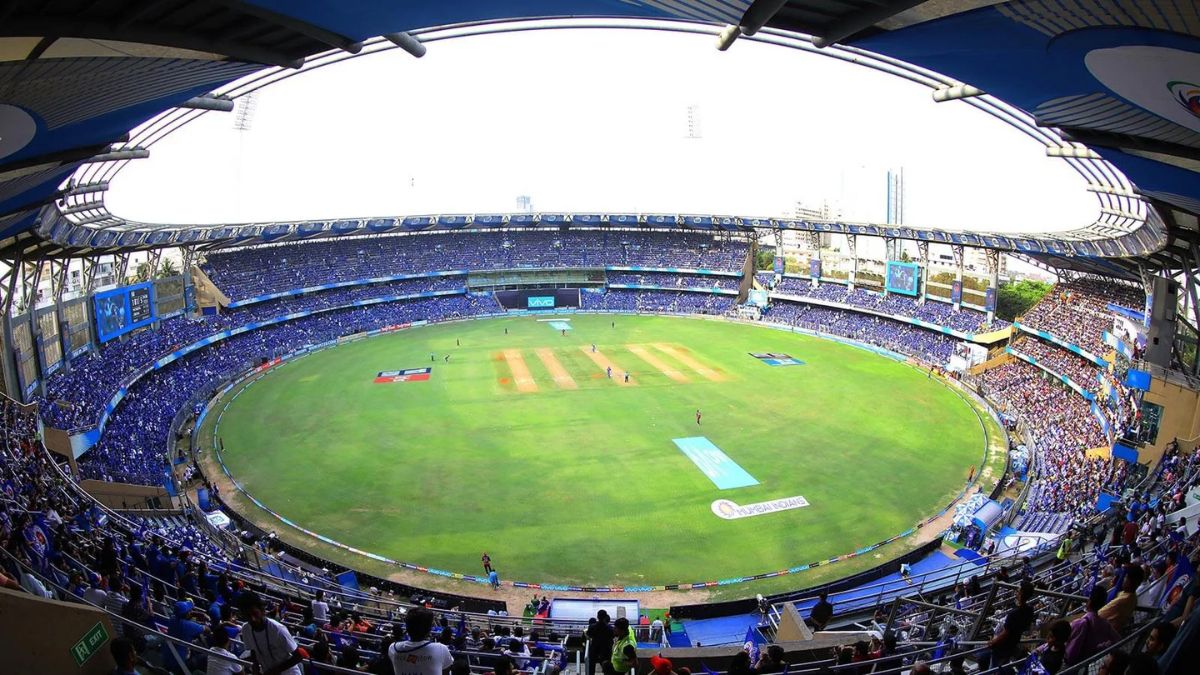
At Wankhede Stadium, heat pressing down hard, Sunday marks IPL 2026 game 69 between Mumbai Indians and Rajasthan Royals. Not just another match - this one breathes tension, every run weighed heavily. As the league nears its peak moment, both sides push forward as if losing isn’t an option. Victory today shifts everything. Each player knows what's riding, not hopes, but real ground lost or gained.
From this point, nothing less than flawless wins counts. History means little once the lights come on, no matter how storied the jersey. The Royals have carved up Mumbai too often lately. Still, echoes remain, sudden roars rising when Mumbai digs in hard at that familiar ground.
MI vs RR Weather Report
Beneath a cloudless sky, the weight of Mumbai's warmth presses on everyone present. Sunlight burns strong across the hours, refusing to dim as the match rolls forward. Instead of rain cutting moments short, dry skies stretch ahead, no interruptions expected. With nothing above but open blue, each side steps in knowing time won’t vanish into storms. The day stays bright, unbroken by shifts in wind or sudden darkening.
Midday brings fierce sunlight, pushing temps toward 34°C as shadows shrink. By later hours, there’s barely a break - merely easing off to about 31°C as play winds down. It's the thick sea-level moisture hovering near 68%. Breathing turns heavy, air feels syrupy on skin, sapping energy under open sky.
Out of the west-southwest, wind pushes along at 22 kilometres per hour, about 14 miles per hour, an unbroken flow that cuts across open decks. Though damp air lingers from the sea, its presence now, in daylight hours, blocks the usual nighttime moisture buildup expected during later play.
Also Read: KKR suffer huge playoff blow as star batter ruled out of IPL 2026 ahead of DC game
Wankhede Pitch Report for the MI vs RR Game
Batters have feasted at Wankhede during IPL 2026. Over the past five games, teams batting first have averaged 222 runs, proof enough that strokes flow freely here. Targets above 200 haven’t scared chasers either; they’ve pulled off such feats thrice so far.
One standout, Sunrisers Hyderabad cleared 244 against the Mumbai Indians just weeks ago. A score near 230 might feel safe when setting a target, yet taking wickets remains hard work under these skies.
Pitches like this tilt everything in favour of clean hitting. Bowling spells tend to stretch without reward. Even experienced hands struggle to find grip or movement. Runs pile fast, almost without pause. No surprise then that boundaries keep flying off blades and bats alike. This ground simply breathes offence from start to finish.
Few venues offer such a relentless pace for scoring. Fielding captains often look tense by the sixth over. Spinners get airtime but little else. Fast men rush in only to see the ball meet the fence again. Balance tips early once toss favours bat-first sides.
Yet records stay broken anyway. Chasing stays possible because fear was left long ago. Every session feeds confidence rather than caution. Wicket-taking plans fade before lunch even arrives. So 230 may sound strong, but it's really just another starting point.
Underfoot, a solid, true bounce stays steady, helping batters like Tilak Varma and Dhruv Jurel move forward quickly. Rajasthan’s aggressive lineup also waits to pounce when the new ball hits that same surface. Bright daylight slows them just at first, yet their power hitters shift gears after settling in.
Then again, quick men who cleverly adjust pace with sharp sliders often do well, even if things feel heavy underfoot.
Midday sunshine keeps the ground from getting soggy, unlike at night, when moisture lingers. The pitch could slow a touch as hours pass, warmed by daylight. Without wet grass making control difficult, fielders grip the ball without hassle, while bowlers keep a steady footing. That’s why skippers often send their batters out early, aiming to post a big score before fatigue sets in under the high sun.
Also Read: Today's cricket news
