


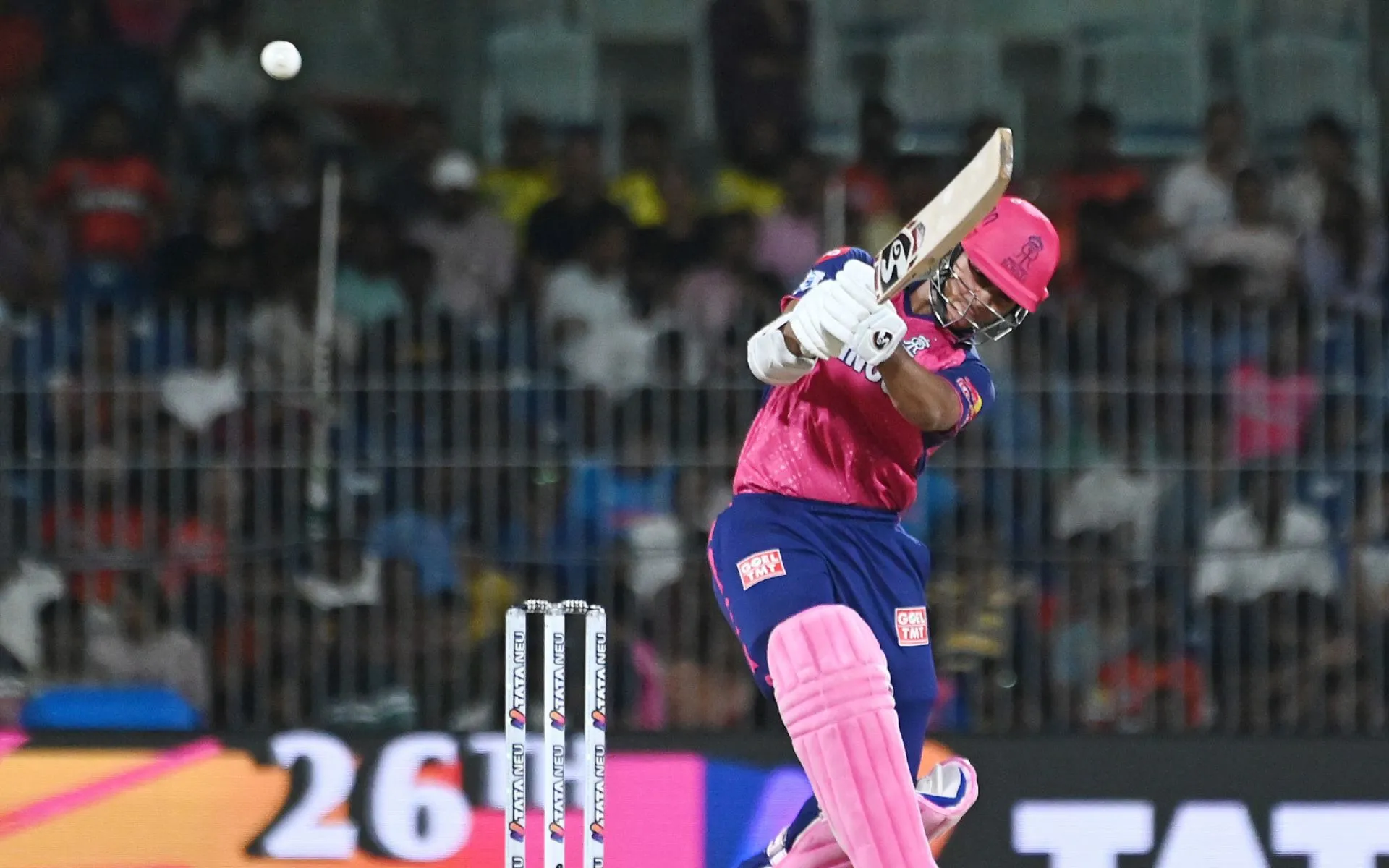
Undoubtedly, left-hand batters are a valuable asset in IPL. In a fast format like T20, teams are forced to rely on data and marginal gains. Left-hand batters offer a tactical advantage for various reasons. Bowlers have to think twice; angles, lines and lengths.
The game is slightly different when a left-handed player puts down the guard. Field placements, bowlers change their lines, and well-laid plans start to shake. This interference is not only precious in the T20 format, but it is also game-changing.
Key reasons why left-hand batters are considered ‘gold’ in IPL:
1. Disrupting bowling rhythm: The biggest advantage left-hand batters provide is by disrupting bowling rhythm. The angle is something that most bowlers are used to bowling to right-handers, and when a left-hand batter, such as a David Warner or Yashasvi Jaiswal, comes to the strike, this may result in mistakes caused by the difference in angle. Even the slightest miscalculation in line or length is immediately penalised in T20 cricket, particularly in the powerplay.
2. Breaking match-up strategies: It is through data that teams will determine which bowler to face which batter; off-spinners against left-handers and leg-spinners against right-handers, etc. These are well-calculated tactics to reduce the chances of scoring and control as much as possible. Nevertheless, once a left-hander is present, it can immediately destroy these calculations, and captains have to reconsider their whole strategy.
When a left-handed batter is at the crease, it can counter the bowler that has been brought on with the express purpose of counteracting a right-handed batter. An example would be the fact that a captain may reserve a leg-spinner to target a right-heavy middle order, but when a left-hander such as Rishabh Pant enters the field, that combination would be much less successful. Pant, with his aggressive motive and capability to control spin, usually makes captains give up what they want to do.
3. Field placement chaos: The wreck left by the lefties is magnified further when you consider the measures of various players who take advantage of ever-changing fields in the IPL. Not only about moving fielders but also about making mistakes under pressure.
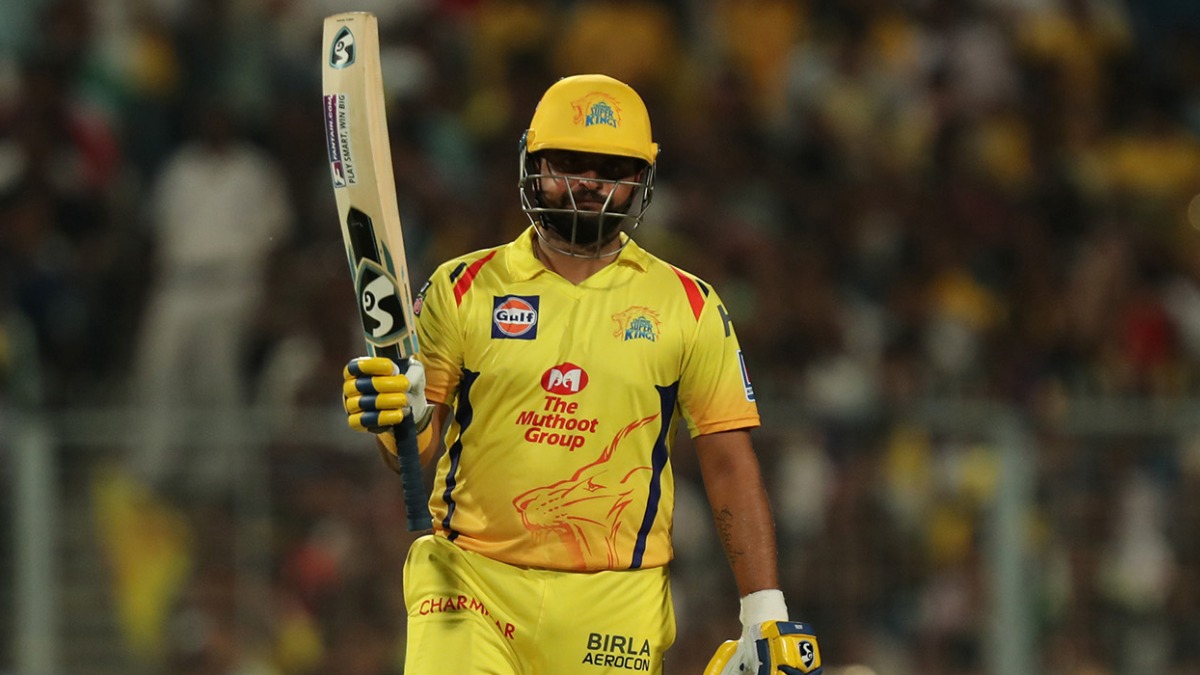
The other good example is the example of Suresh Raina, who was one of the pioneers of aggressive left-handed batting in the IPL. The fact that Raina can attack spinners with the off-side leaves captains with little choice but to put an additional fielder at unusual positions. Strike rotated, and those same fields were useless when it was applied to a right-hander, and easy scores were made.
Also Read: Report: KKR’s pace puzzle sees a new piece in Saurabh Dubey
4. Powerplay advantage: The powerplay is where left-hand batters tend to excel. The number of fielders permitted outside the circle being two, there are always gaps which a left-hander is peculiarly in a position to play upon. Their angles create scoring zones, which, on the right-arm pace dominant T20 cricket, become less easily available to the right-handers.
5. Death overs impact: The death overs in IPL surround around precision, yorkers, slower balls and wide lines executed under pressure. Yet in the case when a left-hander is on the crease, even the plans that have been practised can go to pieces. The shift of angles compels bowlers to keep on changing their points of release and their focus areas, and it becomes a much harder task to do so during the last overs.
A good example is Ravindra Jadeja, who is composed and at the same time hits precisely. Jadeja has the habit of taking the slightest mis-placed fielding or any other mis-delivery, and he has quick hands and a sense of where to exploit an opportunity in death overs.
6. Left-Right combination: The left-right batting combination has also become one of the most powerful tactics. It is not simply about the presence of a left-hander in the line; it is about the combination of the left-hander with a right-hander to provide inconvenience. Each and every delivery challenges the fielding team to change their dynamics, and it becomes extremely hard to put bowlers and captains into a rhythm.
In IPL, it is not only pure talent that determines success anymore, but it is also flexibility, matches, and the ability to make something out of nothing. Left-handers in their angles, strokeplay adds that dimension which breaks the conventional batting or bowling. They push teams out of their comfort zones and convert proper strategies to reactive decisions.
Finally, left-handers are not merely a form of style luxury, but also of strategy. Their capacity to cause fear in a very fast format makes them indispensable and, quite simply, nothing more than gold in IPL.
