


Table of Contents
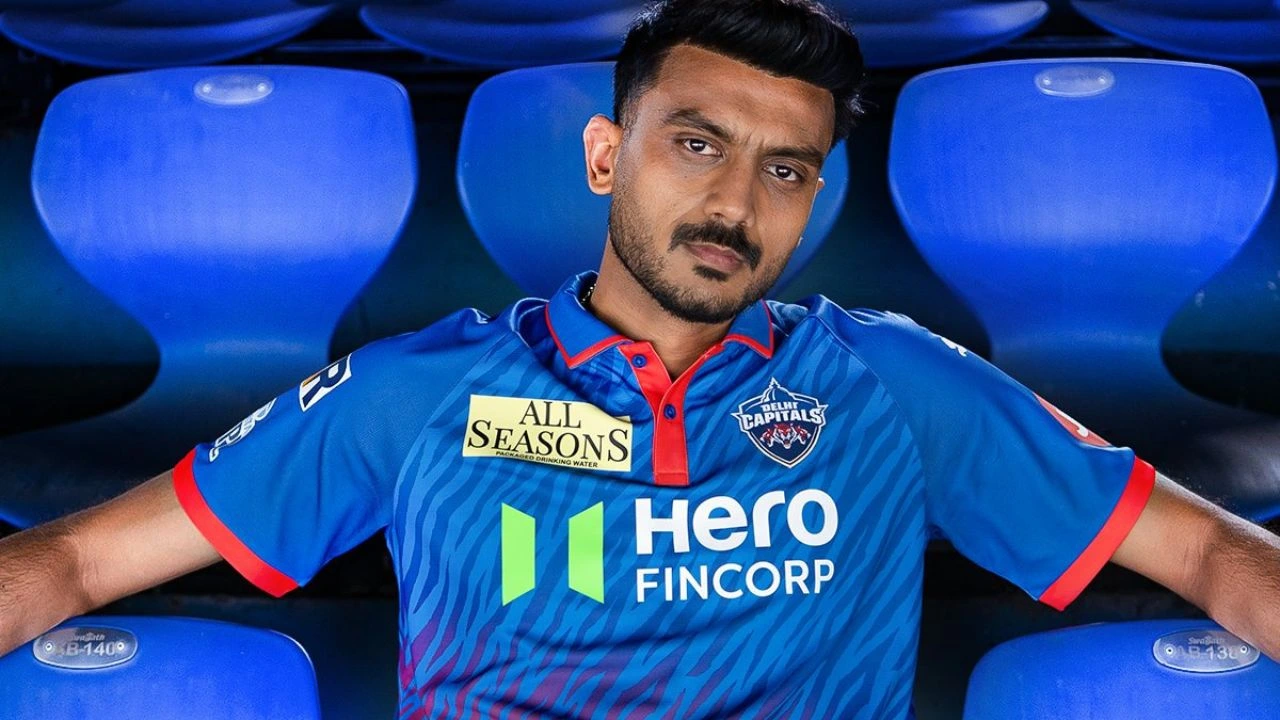
Axar Patel stood up at a press conference on March 23 as the newly appointed Delhi Capitals captain and said what several senior Indian cricketers have been saying for two years now.
The Impact Player rule is hurting all-rounders and the people running the IPL should pay attention to that.
Five days before IPL 2026 begins the debate around the rule is louder than it has ever been, and Axar's comments have added a personal and specific dimension to a conversation that until now has mostly been abstract.
IPL 2026: What Axar Patel said about Impact Player and why it landed differently
Axar's argument was straightforward and came from his own experience rather than theory. He said the Impact Player rule has changed how team management thinks about picking their eleven.
Before the rule existed, a captain needed a sixth bowling option, someone who could bat at six or seven and bowl four overs if required. The all-rounder filled that role and earned their place on both contributions.
Now the management looks at the squad and thinks why do we need an all-rounder when we can bring in a specialist batter for the powerplay and swap him for a specialist pacer in the second innings. The all-rounder becomes redundant because the rule does the job more efficiently.
He made it personal too. In the 2024 and 2025 seasons the rule pushed him down the batting order to seven or eight because teams could Impact In an extra specialist batter ahead of him. A player who had been batting at five or six for years found himself watching the first fifteen overs from the dressing room waiting for a position the rule had effectively taken from him.
"I don't like this rule, honestly, because I am an all-rounder (laughs)," Axar replied, when asked about the rule, which has been in effect since IPL 2023. "Earlier, you would pick an allrounder for batting and bowling. Because of this rule, the team management goes for a particular batsman or bowler, thinking 'Why do we need an allrounder?' Since I am an allrounder, I don't like the rule. At the same time, rules are rules and we need to follow them. From a personal point of view though, I don't like the rule."
Axar Patel also clarified something that needed clarifying. His 2025 bowling figures of five wickets in a season, his lowest since 2018, were not a consequence of tactical decisions around the Impact Player.
He sustained a deep finger cut during India's Champions Trophy win and bowled through the rest of the tournament and the IPL while managing the injury. The numbers looked bad. The reason was not.
Also READ: DC’s predicted XI for IPL 2026: Big hitters in middle, pace attack led by Starc
Who else has been saying the same thing about Impact Player
Axar is the latest voice in what has become a genuine resistance among senior Indian players against the rule. Rohit Sharma has been the most consistent critic since 2024. His argument is about development rather than personal impact.
He believes the rule is stunting the growth of players like Washington Sundar and Shivam Dube who need pressure situations to develop their bowling at the highest level. A captain who has an Impact Sub available never needs to give the ball to a part-time bowler in a tight moment and so those players never get the experience they need.
He said on the Club Prairie Fire podcast that he is not a big fan because the extra batter or bowler prevents captains from ever needing a sixth bowling option, which is exactly what the national team needs its players to be.
“I generally feel that it is going to hold back [development of all-rounders] because eventually cricket is played by 11 players, not 12 players. I’m not a big fan of impact player. You are taking out so much from the game just to make it little entertainment for the people around. But if you look [at] genuinely just cricketing aspect of it, I can give you so many examples, guys like Washington Sundar, Shivam Dube are not getting to bowl, which, for us [India team] is not a good thing.”
Virat Kohli has taken a different angle. His concern is about the balance of the contest between bat and ball. He believes the rule has turned the IPL into a batters-only tournament where scores of 250 are routine and bowlers are reduced to supporting actors in a game that is supposed to test both disciplines equally.
He said in 2025 that he cannot play as an Impact Player, that he wants to field for twenty overs and bat, and that the day he has to play as an Impact Player he will quit cricket. Whether that was entirely literal or not, the point was made clearly enough.
Hardik Pandya, who benefits from being genuinely elite at both disciplines, said in March 2025 that the rule is creating a specialist-only culture in Indian domestic cricket. Unless you are equally dangerous with bat and ball, the Impact Sub will replace you every time. The part-time all-rounder is becoming extinct and the national team will eventually feel the consequences of that.
Why the Impact Player rule exists and why the BCCI is keeping it
The Impact Player rule was first tested in the Syed Mushtaq Ali Trophy in October 2022. The first ever Impact Player was Delhi's Hrithik Shokeen who replaced opener Hiten Dalal and took 2 for 13. It came into the IPL in 2023 with Tushar Deshpande of CSK becoming the first Impact Player in IPL history on March 31, replacing Ambati Rayudu against Gujarat Titans.
The BCCI confirmed in late 2024 that the rule will remain until at least 2027 despite the criticism from senior players. Interestingly they removed it from the Syed Mushtaq Ali Trophy in 2024 to bring domestic cricket back in line with international T20 standards, while keeping it for the IPL.
The reasoning for keeping it in the IPL comes down to three things. It adds a tactical dimension to the game. It helps teams neutralize the dew factor at venues like the Wankhede and Chinnaswamy by allowing captains to adjust their eleven mid-game.
And it has been commercially successful, with 200 plus scores nearly tripling in the first three years of the rule which makes for more exciting television.
What the rule actually does in 2026 and how teams use it
As IPL 2026 begins on March 28 the Impact Player role has evolved from a simple substitution into a specific tactical weapon. Teams are no longer picking bits-and-pieces players.
They are selecting five pure bowlers and six pure batters and using the Impact Sub to swap between them depending on the innings and the conditions. At high dew venues a team batting first might play an extra batter to set a 240 plus target and then Impact In a specialist spinner or pacer for the second innings.
The rule has also become a way of managing veteran players. MS Dhoni at CSK is the clearest example, used as a pure finisher through the Impact Sub to avoid fielding for twenty overs. Rohit Sharma at MI has been managed similarly when carrying niggles.
For Axar and DC the rule creates a specific challenge and a specific opportunity simultaneously. He is a guaranteed starter because his four overs and his batting value justify a place in the eleven regardless of the Impact Sub.
That actually makes DC's use of the rule easier because they can bring in an extra seamer for Mitchell Starc or an extra batting option in Prithvi Shaw without worrying about whether Axar needs to be protected. He will be on the field.
The rule just will not give him the batting position he deserves. Five days before the season starts, that is where things stand between Axar Patel and the Impact Player rule. Mutual dependency and mutual frustration.
