


Table of Contents
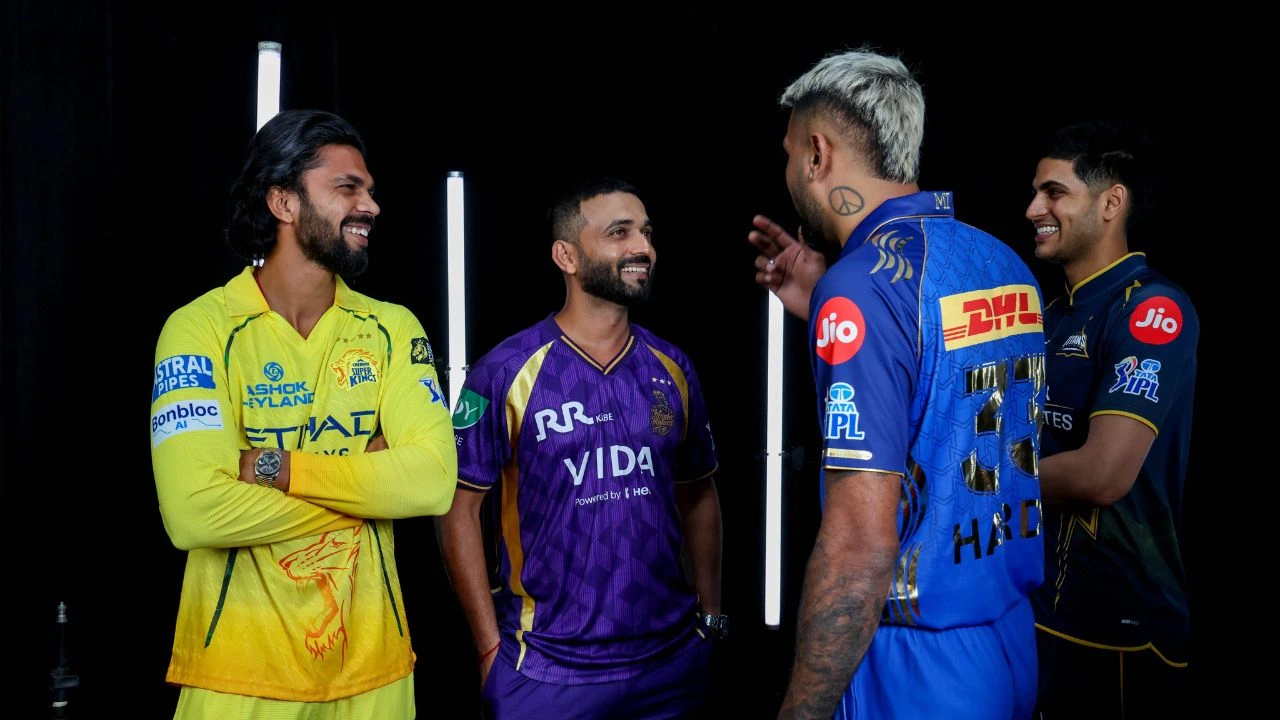
IPL 2026 starts on March 28 and when the ten captains gathered in Mumbai for the official pre-season meeting today, something was different about the photograph.
IPL 2026: How the list of captains became complete
For the first time in the nineteen-year history of the IPL, there was not a single overseas face in it.
All ten IPL franchises will begin the 2026 season led by an Indian captain, a moment that has been building for years but has only become possible now through a combination of deliberate franchise thinking, a dramatic trade window, and one significant injury.
The final piece fell into place last week when Sunrisers Hyderabad confirmed that Ishan Kishan would captain the side in the absence of Pat Cummins, who has been ruled out of the opening matches with a back injury.
Until that moment Cummins was the last overseas captain standing, the single remaining exception to what had otherwise become an unmistakable trend across the league. His injury, and SRH's decision to hand the armband to Kishan rather than look for another overseas option, completed a list that would have seemed almost unthinkable a decade ago.
Ruturaj Gaikwad leads Chennai Super Kings, Rajat Patidar will be ready to defend the title with Royal Challengers Bengaluru, Hardik Pandya enters his third season as Mumbai Indians captain still chasing his first title with the franchise.
Riyan Parag takes over at Rajasthan Royals following Sanju Samson's blockbuster trade to CSK, Ajinkya Rahane leads Kolkata Knight Riders, Shubman Gill captains Gujarat Titans for a third consecutive year having become India's all-format captain.
Rishabh Pant continues at Lucknow Super Giants, Shreyas Iyer leads Punjab Kings back for another attempt after the heartbreak of the IPL 2025 final, and Axar Patel takes charge of Delhi Capitals as one of their longest-serving player and now their full-time leader.
Also READ: What KKR did for Andre Russell has never happened to any player in IPL history before
Why this moment matters beyond the numbers
The shift from overseas generals to Indian captains has not happened by accident. Since 2008 the IPL leaned heavily on marquee overseas names to lead franchises, Shane Warne, Adam Gilchrist, Kumar Sangakkara, David Warner, Eoin Morgan, Pat Cummins.
These were global icons brought in to provide leadership credibility and box office appeal in the early years of the league.
What franchises have gradually learned is that an Indian captain carries a different and arguably more valuable kind of understanding, of domestic uncapped players who make up the core of every squad, of local conditions, of the specific pressures that come with playing in front of home crowds in Indian cities.
The numbers support the shift. Indian captains have won fifteen of the eighteen IPL titles since 2008. The Rajat Patidar blueprint from last season crystallised the argument, a domestic captain with no global superstar billing led RCB to their first ever title when a succession of celebrated overseas leaders had failed to do it.
What makes IPL 2026 genuinely historic
The three figures who defined IPL captaincy for the longest time, MS Dhoni, Rohit Sharma and Virat Kohli, are all still playing in this tournament. None of them are captains. That in itself is a statement about how completely the leadership landscape has shifted.
Oldest name on the current list is Ajinkya Rahane. The youngest is Riyan Parag. The spectrum between them, in age, background, playing style and personality, reflects a league that has arrived at a genuinely new chapter.
The brain trust remains global, with the majority of head coaches still overseas appointments. But the face of every franchise, the person who walks out for the toss, speaks to the media, and sets the culture in the dressing room, is now entirely and for the first time completely Indian.
