


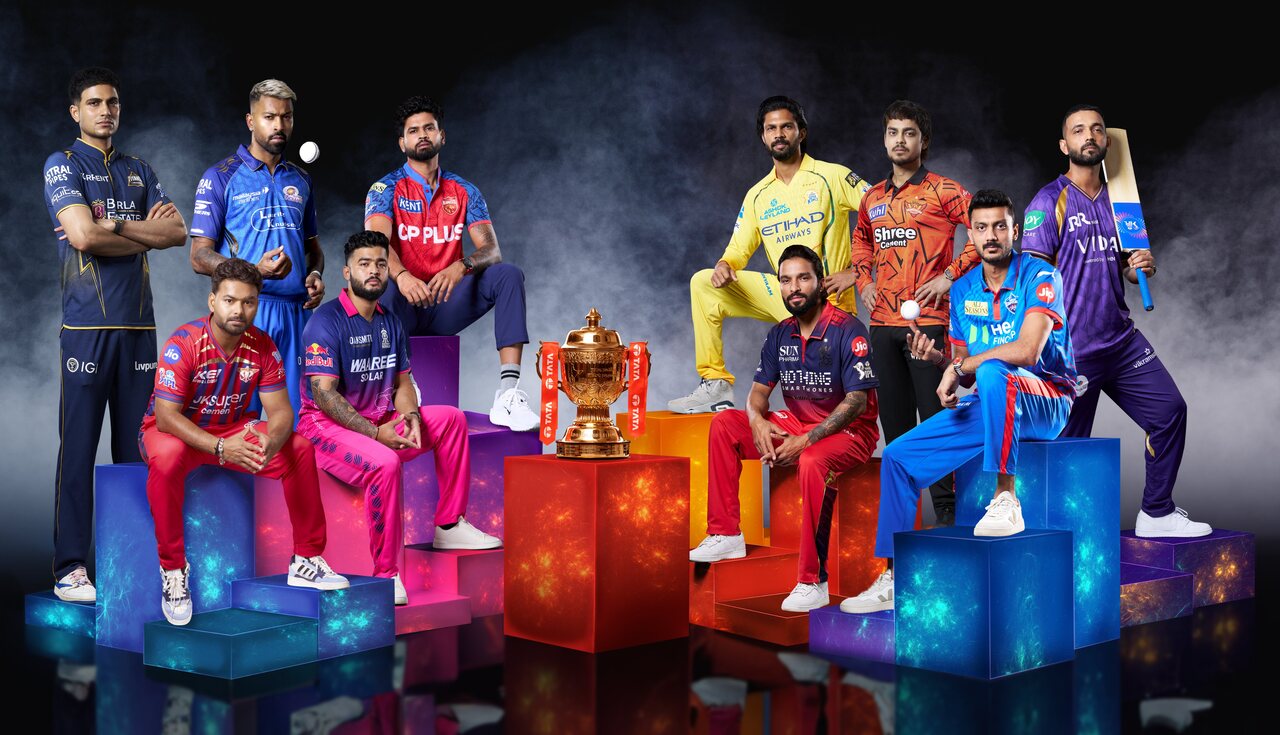
The controversial Impact Player rule in the Indian Premier League (IPL) is still a topic of discussion, and the recent captains' meeting in Mumbai only reiterates the fact that opinions are still divided. The meeting was held on March 25 at the headquarters of the Board of Control of Cricket in India, and all ten captains deliberated on the rules and regulations before the 2026 season. However, even though the league has a history of being innovative, this specific rule continues to be a hard sell to the most successful teams on the field.
Reportedly, most, not all, captains expressed their wish to have the Impact Player rule in IPL eliminated. The debate is said to have gathered pace when one of the senior skippers, who could be Ajinkaya Rahane or Hardik Pandya, expressed his voice, and the rest of those present echoed the same. Dissatisfaction with the rule is not new. Its effect has been challenged in the past by such stalwarts as Virat Kohli and Rohit Sharma, and its effect was recently confirmed by Axar Patel, who admits to not being a fan either. The disruption of team balance aside, there have been increasing concerns in dressing rooms about the possibility of suppressing the development of all-rounders.
Why the Impact Player rule in IPL debate refuses to fade
ALL 10 CAPTAINS IN THE PHOTOSHOOT WITH IPL 2026 TROPHY. 🏆
— Tanuj (@ImTanujSingh) March 25, 2026
- The Biggest Carnival of World Cricket. pic.twitter.com/FcDW9f0Gay
The BCCI provided a response to the punches, however, by stating that the rule was here to stay at least until the 2027 cycle. The Impact Player rule in IPL was introduced in 2023, permitting a team to use a 12 vs 12 format in the middle of a match, essentially transforming the conventional 11 vs 11 game into a 12 vs 12 format. This has provided tactical depth, but it has also changed the approach to the game of teams fundamentally.
Also Read: Will Shakib Al Hasan play for Bangladesh again? New chief selector has the answer
Teams have come to start with an additional batter and then replace it with a specialist bowler or the other way around, depending on the circumstances in the match. This is said to increase entertainment, but critics believe that this will decrease the worth of multi-skilled cricketers.
The all-rounders who were the key to the T20 strategy are becoming marginalised as the teams depend more on specialists. Several cases can be referred to the example of Shivam Dube, even though he is playing well, his bowling position is reduced in the IPL format. This trend may, in the long run, influence the development pipeline of Indian cricket.
In the view of the board, however, the rule helps to increase the scoring in matches, a factor that is attractive to both modern T20 audiences and broadcasters. The rule has a commercial advantage as more runs would result in increased viewership.
In addition to the Impact Player controversy in IPL, captains also mentioned that the effects of dew on matches and offered the idea of changing balls at the middle of the second innings. Nonetheless, the authorities, such as the head of match referees (Javagal Srinath) and chief umpires in charge of direction (Nitin Menon) elucidated that there are already provisions in place to allow such changes under certain circumstances. So far, that lesson is no exception.
