

Match 14 · Gymkhana Club Ground
 KNA
KNA
 PNG
PNG
PNG won by 1 wickets
Match 15 · Ruaraka Sports Club Ground
 JER
JER
 DEN
DEN
JER won by 52 runs.
Match 12 · Gymkhana Club Ground
KNA
 QAT
QAT
KNA won by 3 wickets
Match 13 · Ruaraka Sports Club Ground
PNG
 KUW
KUW
PNG won by 8 wickets
Match 1 · Gymkhana Club Ground
DEN
KUW
KUW won by 2 wickets
Match 2 · Ruaraka Sports Club Ground
KNA
JER
KNA won by 6 wickets
Match 3 · Gymkhana Club Ground
JER
QAT
JER won by 168 runs.
Match 4 · Ruaraka Sports Club Ground
DEN
PNG
PNG won by 6 wickets
Latest Articles
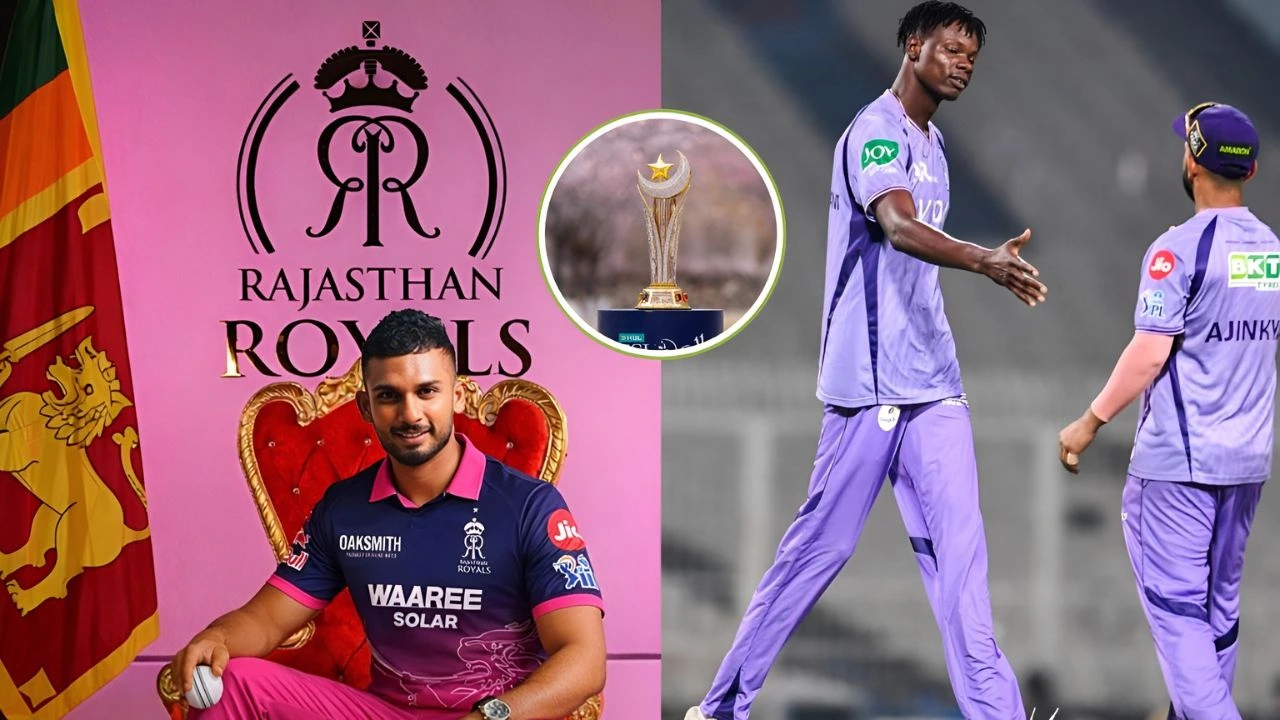
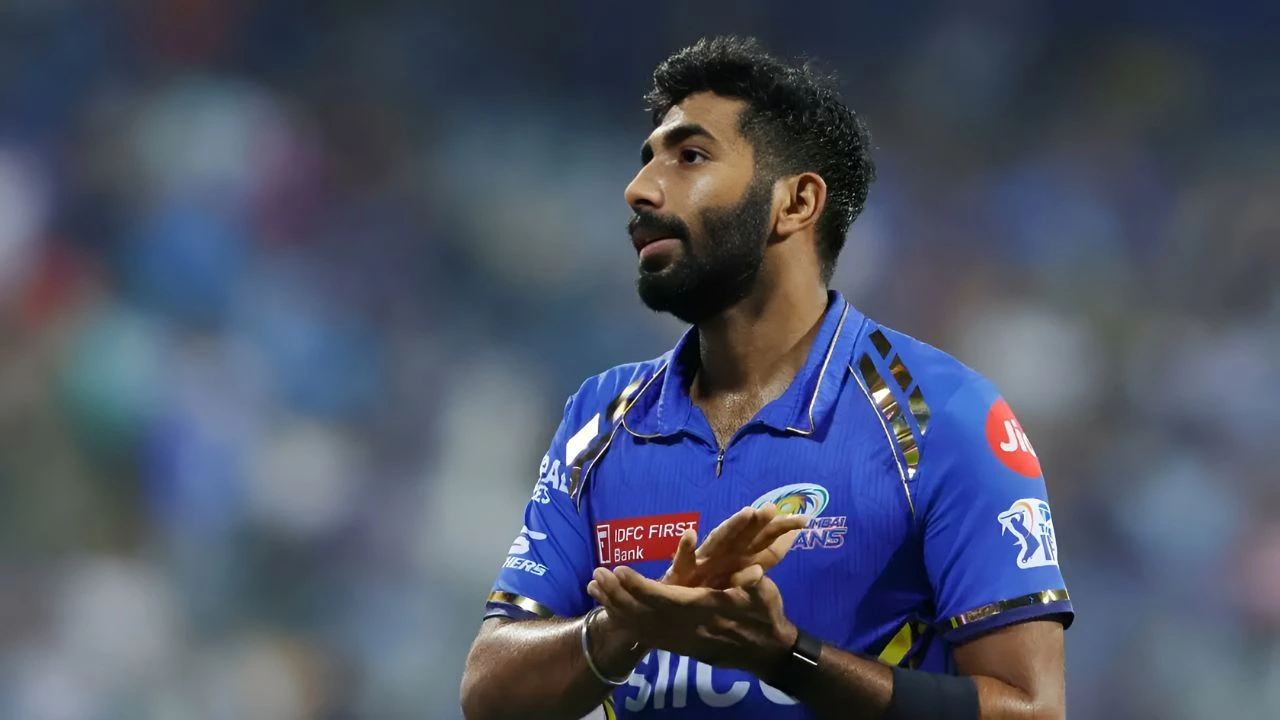
The PSL starts on March 26 and the IPL two days later on March 28, and the collision between the two leagues has already claimed several players before either tournament has bowled a ball. PCB chairman Mohsin Naqvi has promised legal action and bans for those who have left their Pakistan Super League contracts to take up IPL deals, but the exodus has continued regardless. The reasons vary, some are straightforward IPL replacements, others are murkier, but the list of departures is long enough to have caused genuine damage to several franchises. Players who left the PSL for the IPL The clearest cases are the players who walked away from signed PSL contracts to accept IPL injury replacement deals. Blessing Muzarabani was the first, leaving Islamabad United on March 17 to join Kolkata Knight Riders as the replacement for Mustafizur Rahman, who had been released by KKR amid BCCI instructions stemming from geopolitical tensions. The financial logic is stark, Muzarabani left a PKR 1.10 crore PSL deal (INR 36.44 Lakh) for an INR 75 lakh base ((approx. PKR 2.50 Crore) at KKR, and with the new per-match fee of INR 7.5 lakh ( introduced this cycle his potential earnings at KKR are nearly 500 percent higher than what Islamabad United were paying him. Dasun Shanaka followed on March 23, cancelling his contract with Lahore Qalandars to join Rajasthan Royals as the replacement for the injured Sam Curran on an INR 2 crore deal. Daniel Sams has been brought in to replace Shanaka at Qalandars. Both players will probably face a one-year PSL ban under the precedent set by Corbin Bosch in 2025, when the South African left Peshawar Zalmi mid-way to join Mumbai Indians and became the first player to be officially banned by the PCB for this specific breach. Players who withdrew citing personal or other reasons A second group of departures is less clear-cut but no less significant for the franchises involved. Jake Fraser-McGurk withdrew from Rawalpindi Pindi Boys citing personal reasons, but having gone unsold at the IPL mega-auction he is widely reported to be keeping himself available for an injury replacement call-up. Spencer Johnson left Quetta Gladiators under similar circumstances and is linked to potential IPL replacement roles. Gudakesh Motie officially cited travel issues in leaving Lahore Qalandars but has been heavily linked to Lucknow Super Giants as a potential replacement. Ottneil Baartman withdrew from Hyderabad Kingsmen and Gerald Coetzee has also left the league, with both expected to be on IPL franchises' shortlists for replacement slots. Also READ: Is Jasprit Bumrah injured? MI star visits BCCI CoE ahead of IPL 2026 Players who left for reasons unrelated to the IPL 2026 Not every withdrawal is about the money across the border. Harry Brook pulled out to manage his workload ahead of England's busy summer schedule. Rahmanullah Gurbaz left Peshawar Zalmi citing personal commitments, Tymal Mills pulled out of his contract with the same franchise and has been replaced by Shoriful Islam, and David Wiese ended his long-standing association with Lahore Qalandars. These departures carry different weight to the IPL-related exits but they have added to the sense of a tournament that has lost significant depth before it has even started. What the PCB is doing about it Naqvi has been unambiguous. "We will take action against those players according to the rules," he said on Sunday. "There was a case last year too, and the same thing will happen this time." The PCB is pursuing legal notices for breach of contract against players who were committed to rosters before jumping to the IPL, and one-year bans are expected to follow for Shanaka and Muzarabani in line with the Bosch precedent. Naqvi also acknowledged the structural reality of the situation, "Clashing with the IPL is not an issue because if players are going there, we're getting excellent players coming here as well. We could not afford to postpone the PSL because we have no other window all year." The tournament will be played behind closed doors because of an oil crisis amid the West Asia conflict, with venues trimmed from six to just Lahore and Karachi. The PCB is fighting on multiple fronts, and the player drain to the IPL is only one of them.

| No | Team | M | W | L | PTS |
|---|---|---|---|---|---|
| 1 |
JER
|
5 | 4 | 1 | 8 |
| 2 |
PNG
|
5 | 4 | 1 | 8 |
| 3 |
KUW
|
5 | 3 | 2 | 6 |
| 4 |
KNA
|
5 | 2 | 3 | 4 |
| 5 |
DEN
|
5 | 2 | 3 | 4 |