


Former Pakistan all-rounder and ex-national selector Abdul Razzaq has revealed how the infamous 2010 spot-fixing scandal first surfaced within the team management during Pakistan’s tour of England, due to an unexpected twist of fate.
Razzaq also recalled a dramatic moment inside the dressing room when then-captain Shahid Afridi slapped young fast bowler Mohammad Amir after the teenager initially denied his role in the scandal.
Abdul Razzaq reveals how the fixing plot first surfaced
Speaking on a Pakistani television show, Abdul Razzaq said the conspiracy behind the fixing during the 2010 Lord's Test was accidentally uncovered by a friend of his in London who repaired mobile phones part-time.
"What happened was that Mazhar Majeed came to my friend and asked him to repair one of his phones. When my friend managed to get the phone working late at night, he found several messages between Mazhar and the three players detailing plans to spot-fix in the match," Razzaq said.
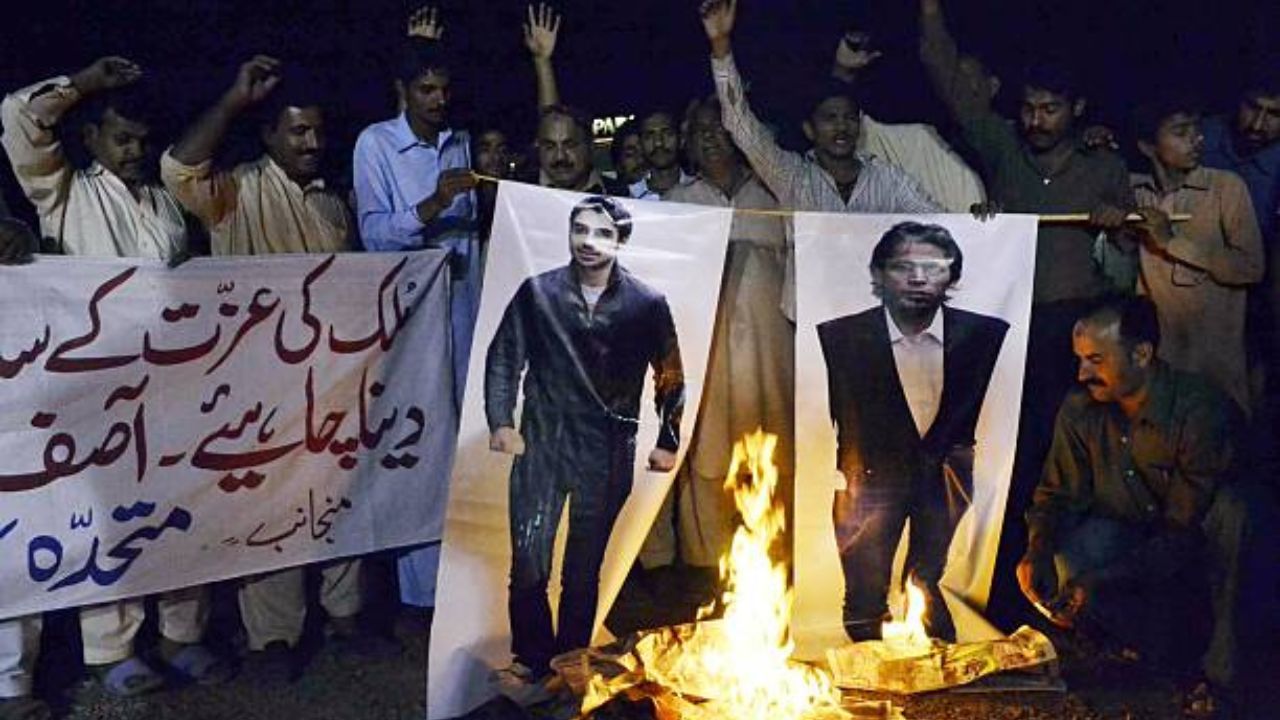
Majeed was later jailed for conspiring with Pakistan Test captain Salman Butt and fast bowlers Mohammad Asif and Mohammad Amir to carry out spot fixing during the Test.
According to Razzaq, his friend immediately showed him the messages, prompting him to inform Afridi, the most senior player in the squad at the time. Afridi had stepped down as Test captain before the series but continued to lead Pakistan in white-ball cricket.
Afridi confronted Amir inside dressing room
In a shocking claim, Abdul Razzaq further revealed that Shahid Afridi slapped Mohammad Amir after the latter admitted to the wrongdoing.
"Afridi called Amir, who was just 18 then, to his room and asked me to wait outside. I could hear Afridi getting angry and asking him to tell the truth. When he kept denying it, I heard a loud slap and rushed inside," Abdul Razzaq recalled.
"After that, Amir broke down in tears and admitted to the conspiracy, and all hell broke loose," he added.
Abdul Razzaq said the controversy might not have escalated so dramatically if the Pakistan Cricket Board and the team management had acted faster.
"Some senior players advised the team manager to fine the three players and send them home on disciplinary grounds before the International Cricket Council got involved," he said.
Eventually, Butt, Asif and Amir were banned by the ICC and later received jail sentences from a UK Crown Court.
Butt and Asif never represented Pakistan again, although they were later allowed to return to domestic cricket after completing their five-year bans.
Amir, whose young age and early confession were taken into account, made a comeback to international cricket in 2016. He continued playing until the 2024 ICC T20 World Cup, though he had stepped away from international cricket earlier, self-imposing a retirement between 2020 and 2024.
