


Table of Contents
New Zealand Cricket have spent months weighing up their options for the future of domestic T20 cricket in the country, and on Monday they made their decision.
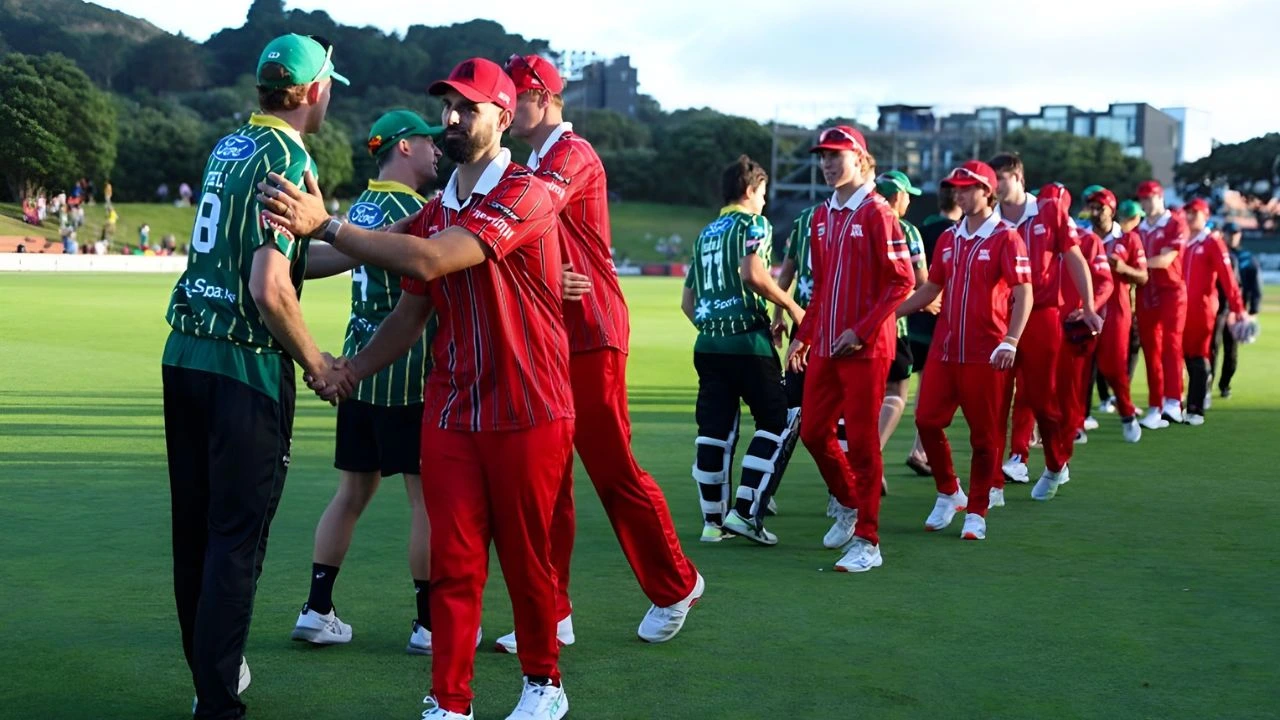
The NZ20, a privately-owned franchise league, has been approved as the preferred replacement for the Super Smash, the competition that has been the cornerstone of New Zealand's T20 domestic structure for 21 years.
The announcement has not landed without controversy, and the fallout from within the organisation has been swift.
What the NZ20 actually is and what it means for the Super Smash
The proposal that has received board approval is a six-team franchise league involving privately-owned sides, with a women's tournament running alongside it. If negotiations progress as planned the first edition could take place in January 2027.
NZC chair Diana Puketapu-Lyndon was clear that this is not yet a final commitment "the decision allows the board to focus resources on negotiating a potential licence and binding commercial arrangement with the NZ20 organisers," the board said in their official statement.
What the board has essentially done is close the door on the alternatives and committed its energy toward making the franchise model work.
One of those alternatives was joining Australia's Big Bash League following a potential expansion of that competition, an option that received serious consideration before being set aside. "There was extensive discussion on the merits of these proposals, but the Board concluded that now's the right time to revitalise our 21-year-old Super Smash competition," Puketapu-Lyndon said.
The Super Smash began in the 2005-06 season with six associations, Auckland Aces, Canterbury Wizards, Northern Knights, Central Stags, Otago Volts and Wellington Firebirds, and the women's competition followed two years later in 2007-08.
Northern Brave and Auckland Aces have each won five men's titles, while Wellington Blaze with ten titles are the most successful side in the women's competition.
What the board wants the NZ20 to protect
Puketapu-Lyndon was careful to emphasise that the shift to a franchise model does not mean abandoning the values the Super Smash was built on.
Regional representation is a priority, the board wants fans and young cricketers across New Zealand to be able to see their local heroes compete rather than having the competition concentrated in major centres.
The women's game is another non-negotiable. "We want to work with NZ20 to ensure it incorporates and supports the women's domestic T20 competition, and that it maintains a level of prominence and visibility consistent with NZC's strategic commitment to the women's game," she said.
Questions of ownership, control and equity in the competition are also issues the board intends to work through carefully before anything is finalised.
The high profile resignation that followed the announcement of NZ20
The decision has not been universally welcomed within the organisation.
Dion Nash, the former New Zealand all-rounder who was elected to the NZC board in 2024, resigned hours after the NZ20 announcement was made.
He offered little by way of explanation "Ultimately, I reached a point where I felt it was the right time to step aside," he said. Nash's departure follows that of NZC's previous CEO Scott Weenink, who resigned last December amid the same discussions, saying he held a different view from several member associations on the long-term direction of the game and the best role for T20 cricket in New Zealand.
Two significant figures within the organisation stepping away in close proximity to the same decision is not a coincidence, and it points to a genuine internal division over whether the franchise route is the right one for New Zealand cricket to take.
