


Table of Contents
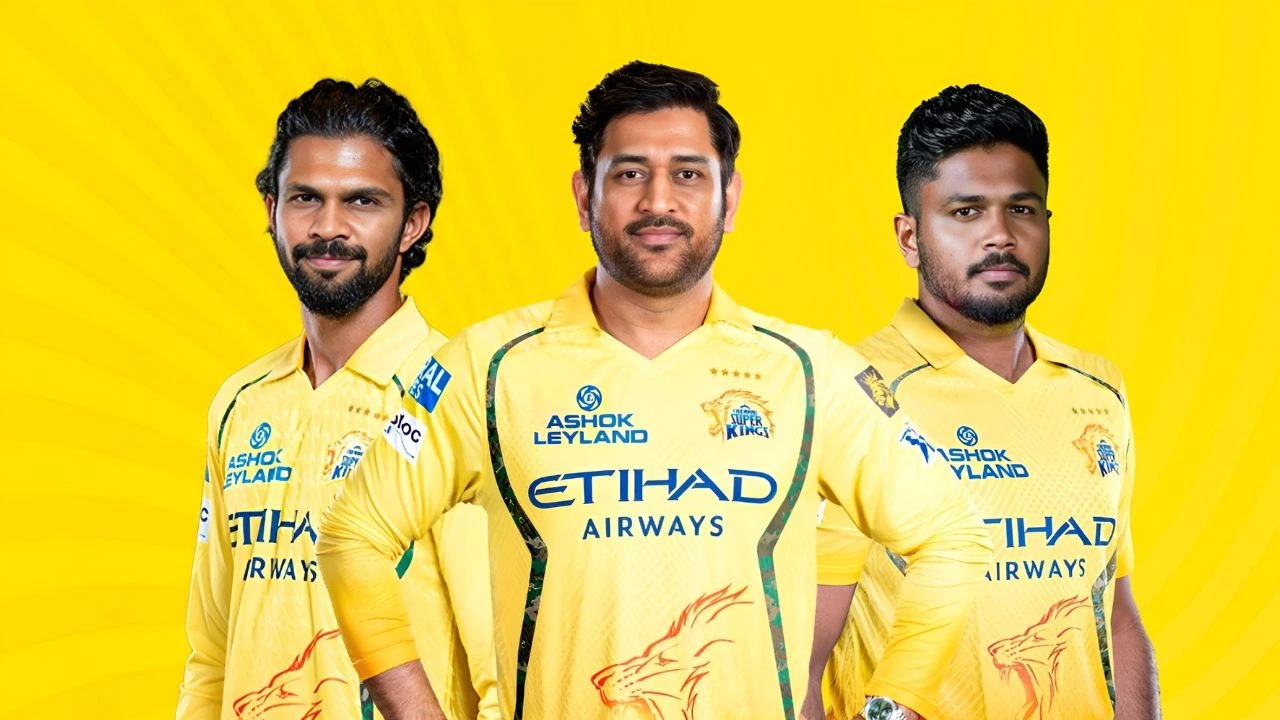
IPL 2026 starts on March 28 and CSK are walking into it carrying something they have never had to carry before, the memory of finishing last.
For a franchise that has five titles, has missed the playoffs only twice in seventeen seasons, and has built its entire culture around a kind of quiet, unshakeable competence, what happened in 2025 was not just a bad season. It was a rupture.
The rebuild that followed has been the most aggressive thing this franchise has done in years, and the CSK XI that takes the field against Rajasthan Royals on March 30 will look nothing like the one that stumbled through last season.
How IPL 2025 broke the old formula
The numbers from last IPL season were brutal in a way that went beyond just losing matches. Chennai won four games from fourteen, recorded the worst Powerplay run rate in the entire league at 8.70, and had the lowest strike rate against spin of any side in the competition.
CSK lost five consecutive matches for the first time in franchise history and became the first team eliminated from playoff contention. The captaincy situation made everything worse, Ruturaj Gaikwad started the season as leader but was sidelined by injury mid-campaign, which meant a 43-year-old Dhoni had to pick the armband back up and hold things together.
He did what he could, but the squad around him was not equipped for what the modern IPL demands. The Powerplay was toothless, the middle order was brittle against spin, and the overall impression was of a team that had been outpaced by how quickly the rest of the competition had evolved. The old guard formula, built on experience, craft, and Chepauk-specific thinking, had finally broken.
What CSK have done about it
The response has been more aggressive than anything this franchise has done in a long time.
The biggest move was trading Ravindra Jadeja and Sam Curran to Rajasthan Royals in exchange for Sanju Samso, a deal that sent the most beloved player in CSK's recent history out the door and replaced him with one of the most explosive batting wicketkeepers in the format. Moving on from Jadeja was not a small thing.
It was a statement that no name, no matter how significant, was going to stand in the way of what the rebuild required.
At the December auction CSK then spent INR 28.4 crore on just two uncapped Indian players, Prashant Veer and Kartik Sharma, making them the joint most expensive uncapped buys in IPL history. The direction could not be clearer. Younger, more aggressive, built to attack from the first ball rather than build quietly and hope experience carries the day.
Chennai Super Kings squad for IPL 2026
MS Dhoni, Ruturaj Gaikwad (captain), Sanju Samson, Ayush Mhatre, Dewald Brewis, Shivam Dube, Urvil Patel, Noor Ahmad, Nathan Ellis, Shreyas Gopal, Khaleel Ahmed, Ramakrishna Ghosh, Mukesh Choudhary, Jamie Overton, Gurjapneet Singh, Anshul Kamboj, Akeal Hosein, Prashant Veer, Kartik Sharma, Matthew Short, Aman Khan, Sarfaraz Khan, Matt Henry, Rahul Chahar, Zak Foulkes
Also READ: MS Dhoni's batting position for CSK in IPL 2026 explored
IPL 2026: What the best probable XI looks like for CSK
Sanju Samson, opens and keeps wicket, bringing the kind of Powerplay aggression CSK desperately lacked last season.
Alongside him is Ayush Mhatre, the 18-year-old retained star who has announced himself as one of the most exciting young batters in Indian cricket , together they give CSK a Powerplay opening partnership built entirely around intent and attack.
Ruturaj Gaikwad, drops to three as captain, which suits his game perfectly. His value has always been as a builder and steadier of innings and with two aggressive openers ahead of him that role becomes even more important to how CSK construct their batting.
Kartik Sharma, comes in at four, the INR 14.2 crore auction buy being groomed as the long-term successor to Dhoni's finishing responsibilities, with the brief to capitalise on whatever platform has been set above him.
Dewald Brevis, at five brings the overseas X-factor through the middle overs, his ability to hit in all areas and take on both pace and spin making him the kind of player opposition captains find hardest to set a field for.
Shivam Dube, at six is the designated spin-destroyer in a lineup that was exposed badly against spin last season, when the opposition goes to their tweakers in the middle overs Dube is the specific answer CSK are backing to neutralise that threat.
Prashant Veer, at seven is the direct Jadeja replacement, a left-arm spinning all-rounder who can strike around 167 and maintains the exact tactical profile Jadeja gave this side for years while bringing the hunger of a player who has everything to prove at this level.
MS Dhoni, sits at eight, still the most psychologically imposing finisher in the competition at 44, and his value goes beyond just the runs he scores. Opposition captains hold their best death bowlers back for him, which creates space and opportunity for Dube and Brevis earlier in the innings that would not exist otherwise.
Nathan Ellis, at nine is the death specialist whose back-of-the-hand variations and yorker accuracy make him particularly well-suited to the demands of Chepauk, Matt Henry, at ten brings the disciplined new-ball seam bowling that sets everything else up.
Noor Ahmad, at eleven gives Gaikwad the Afghan wrist-spin mystery option through the middle overs that can choke even the most aggressive batting lineups when conditions suit. Khaleel Ahmed comes in as the Impact Player, left-arm pace to disrupt opening partnerships when the situation demands it.
