


The International Cricket Council has come under heavy criticism on social media after confirming the Super Eight groups for the ICC Men's T20 World Cup.
Also Read: PAK vs NZ, Super 8: Pakistan and New Zealand forced to split points after washout
Under the pre-seeding format, all four group winners, India, Zimbabwe, West Indies and South Africa were placed in the same Super Eight pool, while the runners-up were grouped together in the other. The arrangement has effectively created a ‘Group of Death’, with the best-performing teams from the first round now battling each other for semi-final spots, while the second-placed sides potentially face a less challenging route.
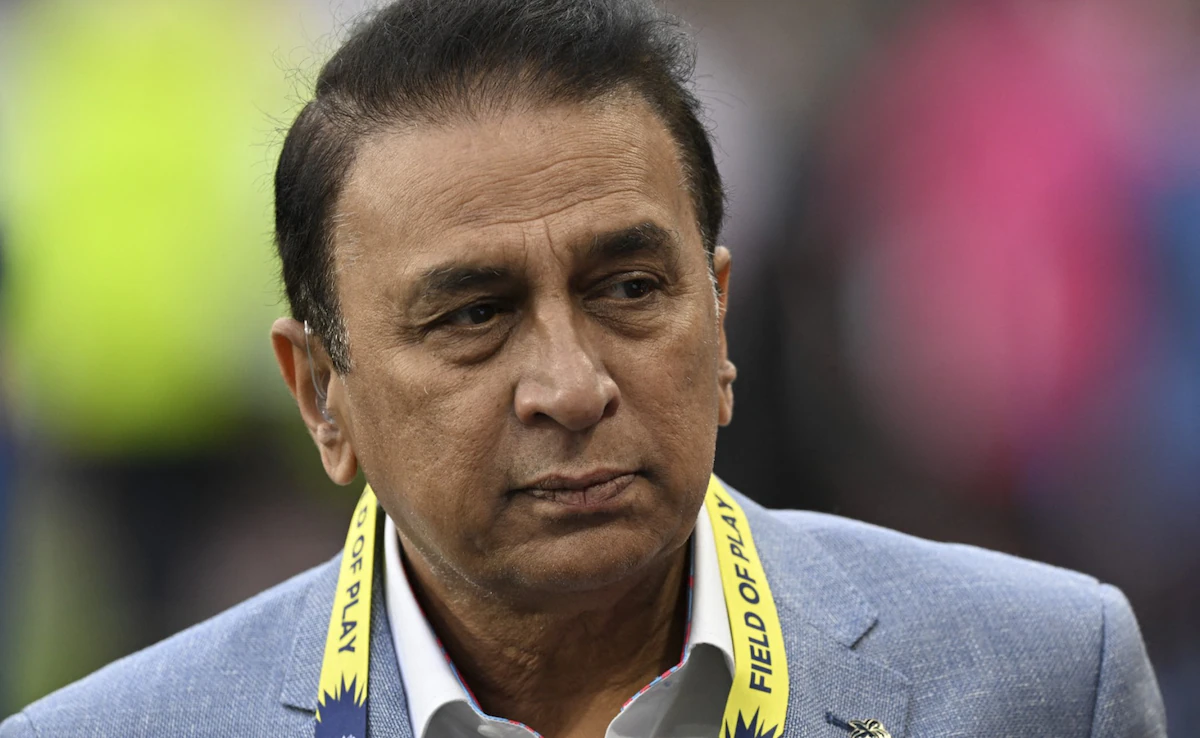
Amid the growing debate, Indian cricket legend Sunil Gavaskar questioned the timing of the criticism.
“Why bring this up now? Why wasn’t this discussed before the tournament began? That’s what should be asked of those raising these concerns at this stage,” Gavaskar told India Today.
He suggested that logistical challenges may have influenced the ICC’s decision, especially with the tournament being staged across two countries.
“There’s international travel, immigration, customs clearance — all of that has to be managed. Then there are airline bookings and hotel arrangements. Not every team travels with the same-sized contingent. Some squads may require 35-40 rooms, while others need fewer. These factors must be taken into account. Perhaps that’s why pre-seeding was implemented,” he explained.
The controversy centres on the ICC’s choice to determine Super Eight groupings based on pre-tournament seedings rather than rewarding actual group-stage performance. In the 2026 edition, this has led to a competitive imbalance: all four table-toppers have been clustered into one group, while Pakistan, Sri Lanka, England and New Zealand, who finished second in their respective groups, make up the other pool.
Critics argue that the format effectively “punishes excellence” by forcing the strongest teams to knock each other out earlier in the tournament. However, the ICC has defended the structure, stating that pre-seeding allows broadcasters and organisers to finalise travel plans, venues and prime-time scheduling well in advance.
