


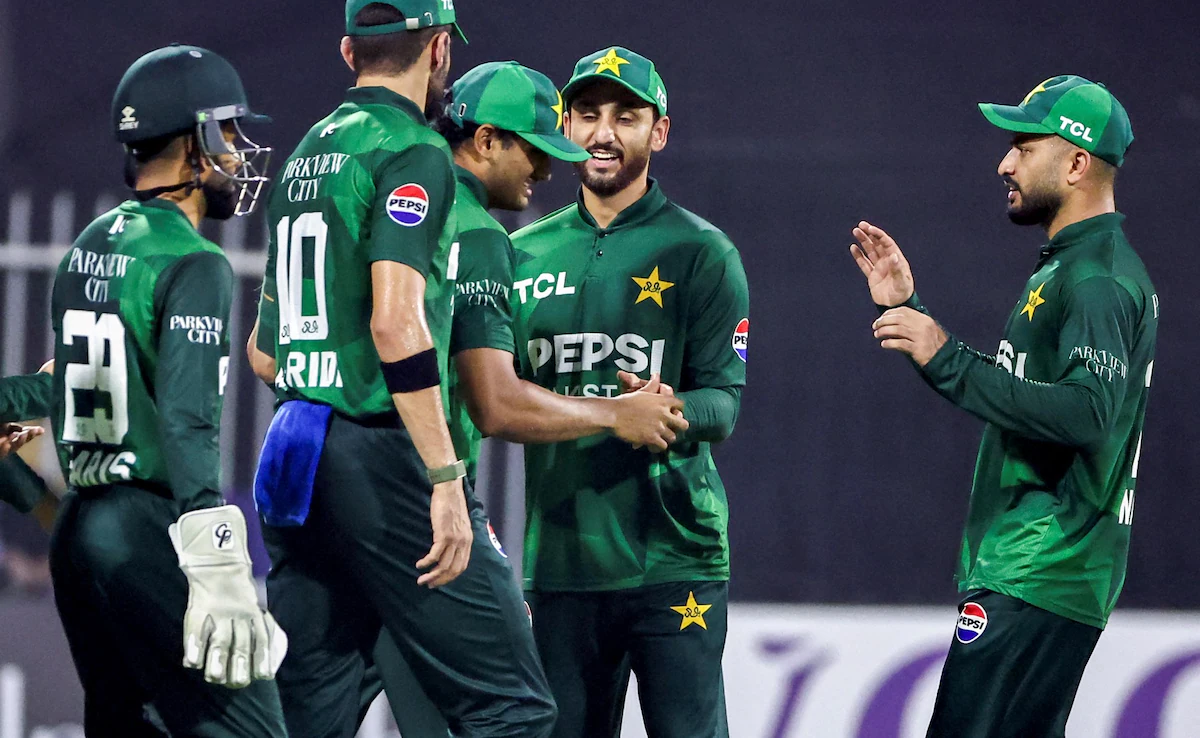
Pakistan’s participation in the marquee India clash at the ICC Men’s T20 World Cup 2026 now hinges on government approval, but behind the scenes, the Pakistan Cricket Board (PCB) has reportedly placed a list of demands before the International Cricket Council (ICC) in exchange for lifting its boycott threat.
Also Read: Sourav Ganguly backs India’s all-out T20 approach: “You have to keep hitting”
During a high-level meeting in Lahore on Sunday, the PCB made it clear that its decision not to play India on February 15 in Colombo could be reconsidered, provided the ICC agrees to certain conditions.
What did Pakistan ask for?
According to reports, Pakistan believes the India–Pakistan fixture remains the biggest revenue driver in world cricket, and by threatening a boycott, the PCB feels it has leverage. Three key demands were placed before the ICC:
1. Increased ICC funding
The PCB has sought a higher share of ICC revenues. At present, Pakistan receive around 5.75 per cent, while the BCCI commands close to 39 per cent, reflecting India’s commercial dominance. Pakistan are now pushing for a revised financial arrangement.
2. Revival of bilateral cricket with India
In a surprising demand, Pakistan have also asked for the restoration of bilateral cricketing ties with India. The two teams have not played a bilateral series since 2012–13, with political tensions and security concerns limiting encounters to ICC and ACC events only.
3. Mandatory handshakes after matches
The PCB also raised concerns over the lack of post-match handshakes, following India’s decision to avoid physical contact with Pakistani players at the Asia Cup 2025. The same stance continued at the ICC Women’s World Cup, ACC Rising Stars tournament, and the recent ICC Under-19 World Cup. Pakistan have now asked the ICC to ensure customary handshakes take place during World Cup matches.
Why did Pakistan announce the boycott?
On February 1, Pakistan’s government officially announced its decision to boycott the India fixture. The move came after the ICC removed Bangladesh from the tournament following their refusal to travel to India, prompting Pakistan to take a similar political stand.
What happened at the Lahore meeting?
As per Telecom Asia Sport, ICC Deputy Chairman Imran Khawaja and Associate Members’ representative Mubashir Usmani met PCB chairman Mohsin Naqvi and PSL CEO Salman Naseer in Lahore. While discussions were extensive, no final resolution was reached.
The ICC reportedly warned Pakistan of sanctions and financial penalties if they refuse to play scheduled matches, reiterating that all member boards are obligated to fulfil fixtures at ICC events.
Bangladesh, meanwhile, also demanded financial compensation and expressed interest in hosting a future ICC tournament, possibly the Under-19 World Cup in 2028, though no assurances were given.
Naqvi informed the ICC delegation that the issue would be escalated to Pakistan Prime Minister Shehbaz Sharif, who is expected to take the final call, possibly by Monday.
Sri Lanka Cricket (SLC), the host board for the February 15 clash, has also expressed strong displeasure. With significant financial stakes involved, SLC president Shammi Silva personally contacted Naqvi to press for a resolution. With mounting pressure from multiple stakeholders, the PCB now appears open to negotiations.
