


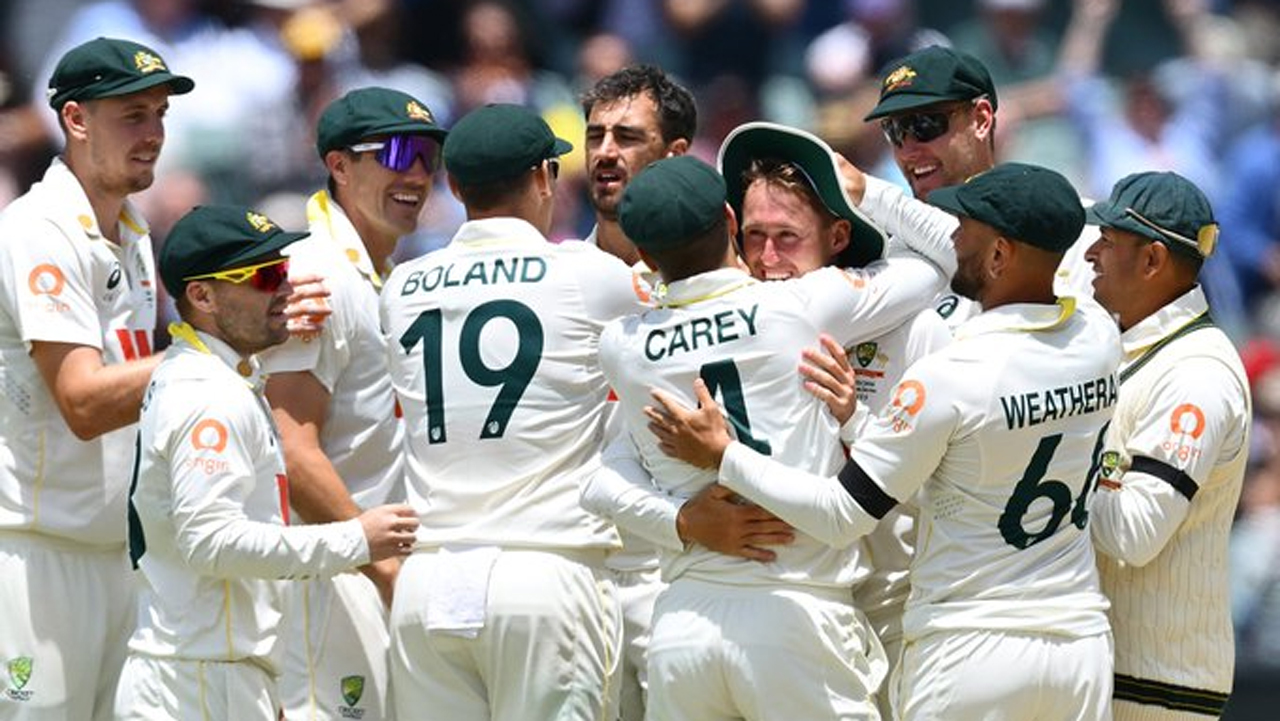
The fourth Ashes Test between Australia and England is hurtling towards an unusually early finish, with the match threatening to conclude within two days after a staggering 20 wickets fell on the opening day at the Melbourne Cricket Ground.
While the record-breaking Boxing Day crowd of more than 94,000 witnessed a dramatic spectacle, the extreme seam movement on offer has triggered serious concerns for Cricket Australia, with the shortened Test now posing a potential financial setback similar to the AUD 5 million loss suffered following the two-day Test in Perth earlier this summer.
‘Short Tests are bad for business’: CA CEO raises alarm
Cricket Australia CEO Todd Greenberg openly acknowledged the financial implications of an abbreviated Test match, linking match duration directly to revenue. Reflecting on the chaotic opening day, Greenberg admitted the situation had kept him awake.
“I didn’t sleep well last night, put it that way. It was an amazing day of Test cricket, and for the record number of people who were here, they have certainly had an experience. But our challenge is to make sure we can deliver those experiences day after day,” Greenberg said.
Greenberg also conceded that the volume of wickets was a concern, calling for a better balance between bat and ball. While he pointed out that batters must shoulder some responsibility, he admitted the MCG pitch had tilted conditions too heavily in favour of seam bowlers — a view echoed by several commentators and experts.
“A simple phrase I’d use is that short Tests are bad for business. I can’t be much more blunt than that. I would like to see a slightly broader balance between bat and ball. Yesterday slightly favoured the bowlers. The batters have some ownership in that, but it’s not all about the players — there are challenges with the pitch as well,” he added.
The episode could prompt a rethink of Cricket Australia’s traditionally hands-off approach to pitch preparation. While Greenberg stopped short of promising direct intervention with curators, he stressed the importance of maintaining closer oversight moving forward.
The potential financial blow comes at a delicate time for Cricket Australia, which has recently implemented internal cost-cutting measures and is actively seeking private investment for the Big Bash League.
Also Read: Alistair Cook takes aim at England’s Test strategy amid Ashes crisis
