


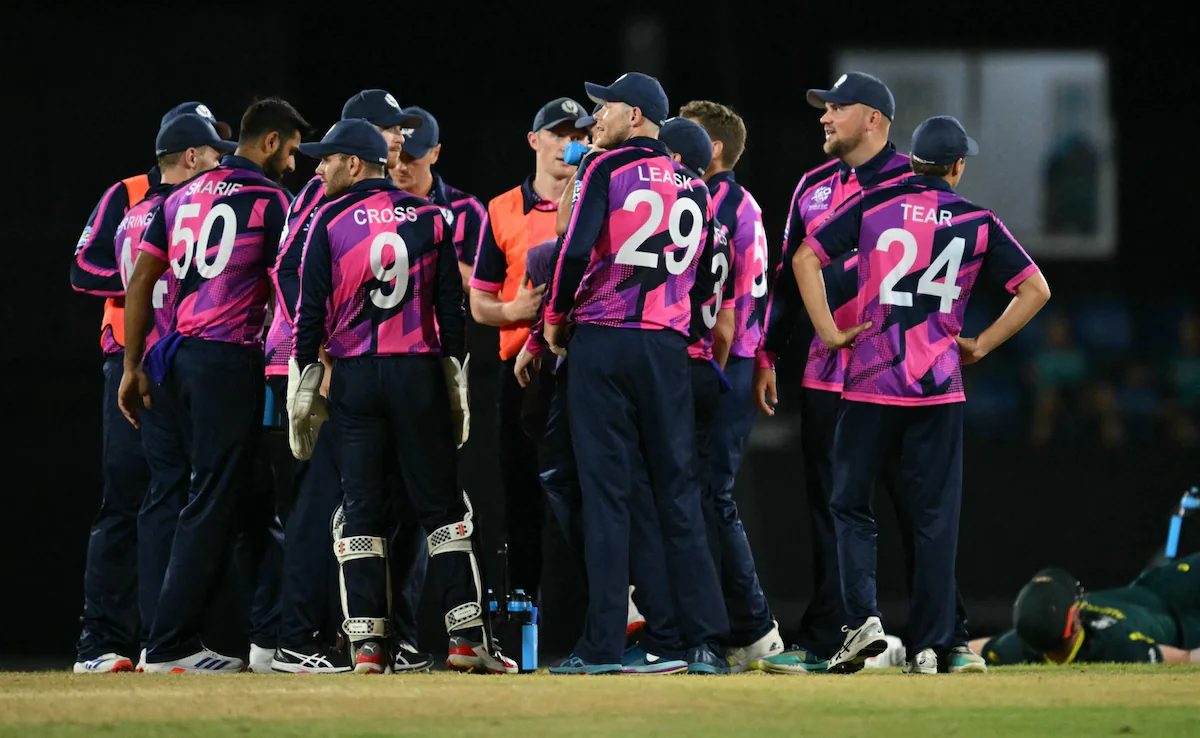
A packed international calendar makes it “really tough” for Associate nations to secure consistent fixtures against top teams, Cricket Scotland CEO Trudy Lindblade has admitted.
Scotland were late entrants to the ICC T20 World Cup after Bangladesh declined to travel to India. Placed in Group C, the Scots finished third with one win and three defeats, bowing out after their final group match against Nepal.
Speaking after the loss, Lindblade highlighted the structural challenges faced by Associate members.
“It is really tough because that crowded schedule is making it harder for those of us to get more content,” she said. “We need to work collectively. The Associate members here talk regularly and meet often. Earlier, we had someone within the ICC who helped bring us together.”
She stressed the importance of presenting a united front to push for more meaningful opportunities.
“We all have individual targets and metrics, but there are ways we can approach this together — as a consolidated, united front.”
Lindblade reiterated that regular exposure — not just occasional clashes with heavyweight nations — is key to long-term improvement.
Also Read: ‘What else can he do?’: Mohammed Shami’s coach frustrated over snub
“We’ve been consistent about what we want: more cricket on a regular basis. It’s not only about playing the Englands and Australias of the world. A mix of teams will help improve our cricket.”
Looking ahead, Lindblade pointed to new initiatives aimed at expanding the game’s footprint in Europe. Cricket Scotland is one of the founding boards of the European T20 Premier League, alongside Ireland and the Netherlands.
“We’ve got a new franchise league coming into Europe later this year, and that’s incredibly exciting for us as one of the founding countries,” she said. “You’ve seen how Italy and the Netherlands performed at this World Cup. There’s real opportunity in Europe as part of cricket’s global growth. We want to be part of that showcase.”
Addressing Scotland’s late call-up to the tournament, Lindblade rejected the notion that it was unfair preparation-wise.
“I wouldn’t say it was unfair, I’d call it an opportunity. Yes, we didn’t have the same preparation as others and had to adjust quickly, but that also freed us mentally.”
She added that Scotland embraced the occasion wholeheartedly.
“We were trending on social media in India last Saturday — what an opportunity. We showed the might and fight of Scotland, and I’m really proud of that.”
