


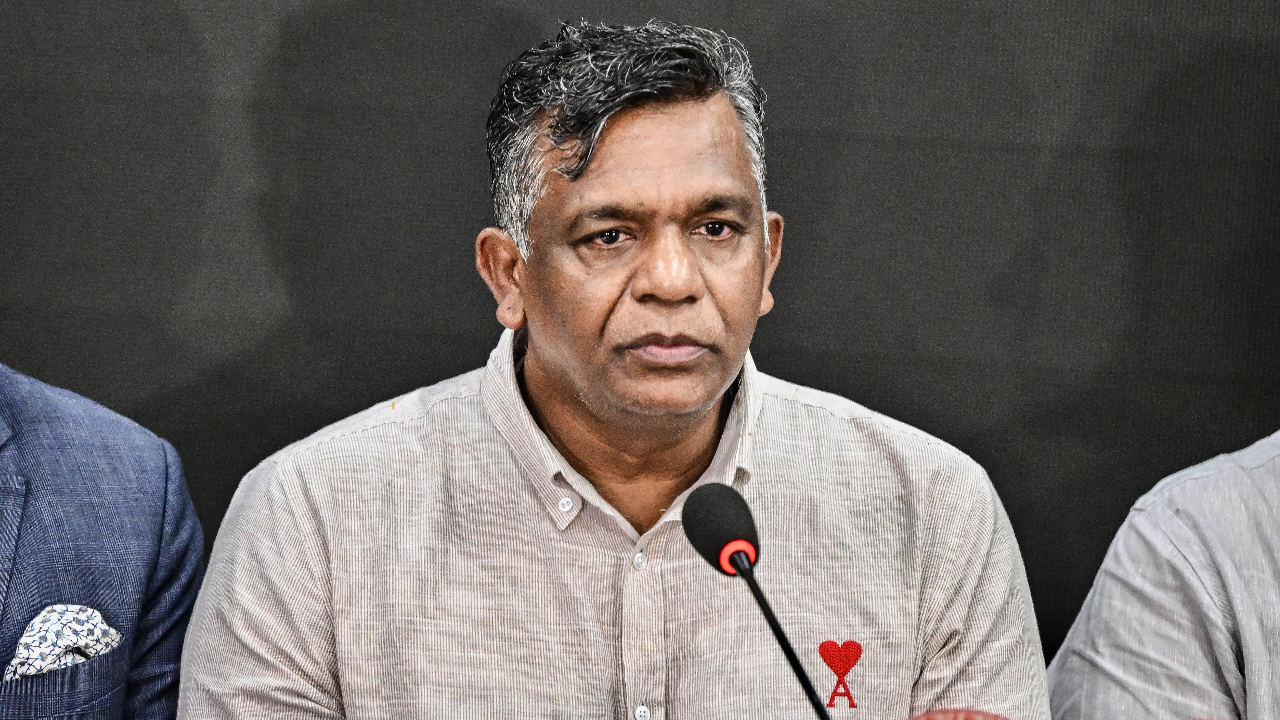
The cricketing world is witnessing an unprecedented game of "Bhai-Bhai" diplomacy as the T20 World Cup 2026 teeters on the edge of chaos. In a dramatic last-minute twist, Bangladesh Cricket Board (BCB) President Aminul Islam Bulbul touched down in Lahore on Sunday to hold emergency talks with Pakistan Cricket Board (PCB) Chairman Mohsin Naqvi. The high-profile visit comes just hours before a critical ICC meeting intended to salvage the tournament’s most lucrative fixture.
Also Read: Dream Debut: The Day Nepal's Sher Malla Silenced a Giant
The controversy stems from a standoff that has already seen Bangladesh ousted from the World Cup. Citing security concerns under the interim government, the BCB refused to send their team to India for the tournament. The ICC’s response was swift and ruthless: Bangladesh was replaced by Scotland. However, the saga took a shocking turn when Pakistan, in a massive show of solidarity, threatened to boycott their blockbuster clash against India, scheduled for February 15 in Colombo.
"Thank you, Pakistan," wrote Bangladesh’s Sports Adviser Asif Nazrul, publicly praising Islamabad’s stance. Pakistan Prime Minister Shehbaz Sharif has since doubled down, stating that there should be "no politics on the sports field," while paradoxically instructing the PCB to skip the match in protest.
At the centre of this storm is PCB chief Mohsin Naqvi, a man who has become the sport's ultimate wild card. Fans will vividly recall the surreal scenes from the last Asia Cup final, where tensions boiled over into a "no handshake" fiasco. The image of Naqvi allegedly leaving the podium with the trophy after Indian players refused to accept it from him remains one of cricket's most bizarre viral moments. Now, the same man holds the key to the World Cup’s financial fate.
With the ICC meeting scheduled to take place over Zoom this evening, officials are scrambling. The removal of the India-Pakistan fixture would be a financial catastrophe for broadcasters and the global body alike. As Bulbul and Naqvi huddle in Lahore, the message is clear: the South Asian neighbours have locked arms, and the ICC is facing a crisis that threatens to derail the entire World Cup.
