


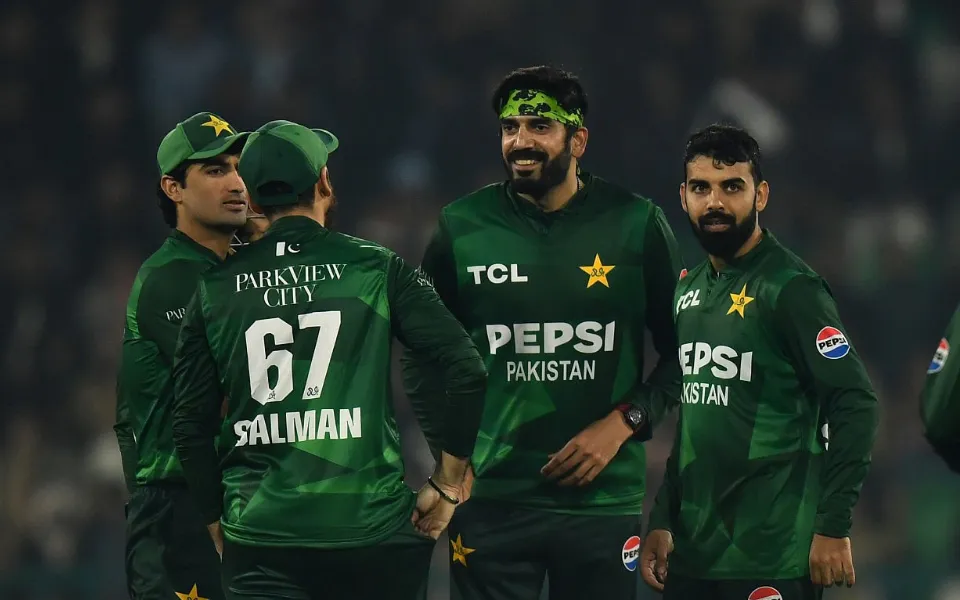
Former Pakistan wicketkeeper Kamran Akmal has strongly criticised the International Cricket Council (ICC) for urging the Pakistan Cricket Board (PCB) to reconsider its decision to boycott the high-profile T20 World Cup 2026 clash against India.
The controversy erupted after Bangladesh withdrew from the tournament, citing security concerns, following which the Pakistan government announced that its team would participate in the World Cup but would not play the February 15 match against India. The ICC subsequently asked the PCB to rethink its stance, prompting a sharp reaction from Akmal.
Speaking on the YouTube channel Game Plan, Akmal urged the PCB to stand firm and accused the ICC of applying double standards. “PCB should not back down. When the Asia Cup was played in a hybrid model, was the ICC sleeping? When India refused to play the Champions Trophy in Pakistan and demanded neutral venues, was the ICC silent then?” Akmal questioned.
Also Read: Pakistan’s T20 controversy falls on deaf ears as cricket boards reject appeal
He further pointed out that Pakistan have travelled to India in the past despite heightened tensions. “How many times has Pakistan played in India under difficult circumstances? I have gone myself. The ICC should have thought about ending politics in cricket years ago,” he said.
Akmal also referenced strained moments from recent tournaments, alleging a lack of respect shown towards Pakistan.
“At the Asia Cup, they didn’t shake hands with our players and even refused to accept the trophy. We respected India’s decision during the hybrid model, so our decision should also be respected,” he added.
While the Pakistan government announced the boycott via social media, the ICC clarified that it is yet to receive formal communication from the PCB. In a statement, the governing body said selective participation goes against the spirit of global tournaments and warned of long-term consequences for Pakistan cricket.
“The ICC hopes the PCB will consider the wider implications for cricket in its country and explore a mutually acceptable resolution that protects the interests of all stakeholders,” the statement read.
