


Table of Contents
Indian cricket in 2025 unfolded as a year of striking contrasts. While the women’s team came of age with a long-awaited World Cup triumph, the men’s side endured a turbulent journey—one that saw white-ball glory overshadowed by a humiliating home Test series whitewash. The extremes made it a year of what could best be described as “glorious uncertainties” for the country’s most-followed sport.
The men lifted both the Champions Trophy (ODI) and the Asia Cup (T20), reaffirming their dominance in limited-overs cricket, while the women clinched their maiden 50-over World Cup title. Yet, a crushing 0-2 Test defeat at home against South Africa exposed deep cracks in India’s red-ball structure under head coach Gautam Gambhir, who remained combative in both victory and failure.
A red-ball reckoning for Team India
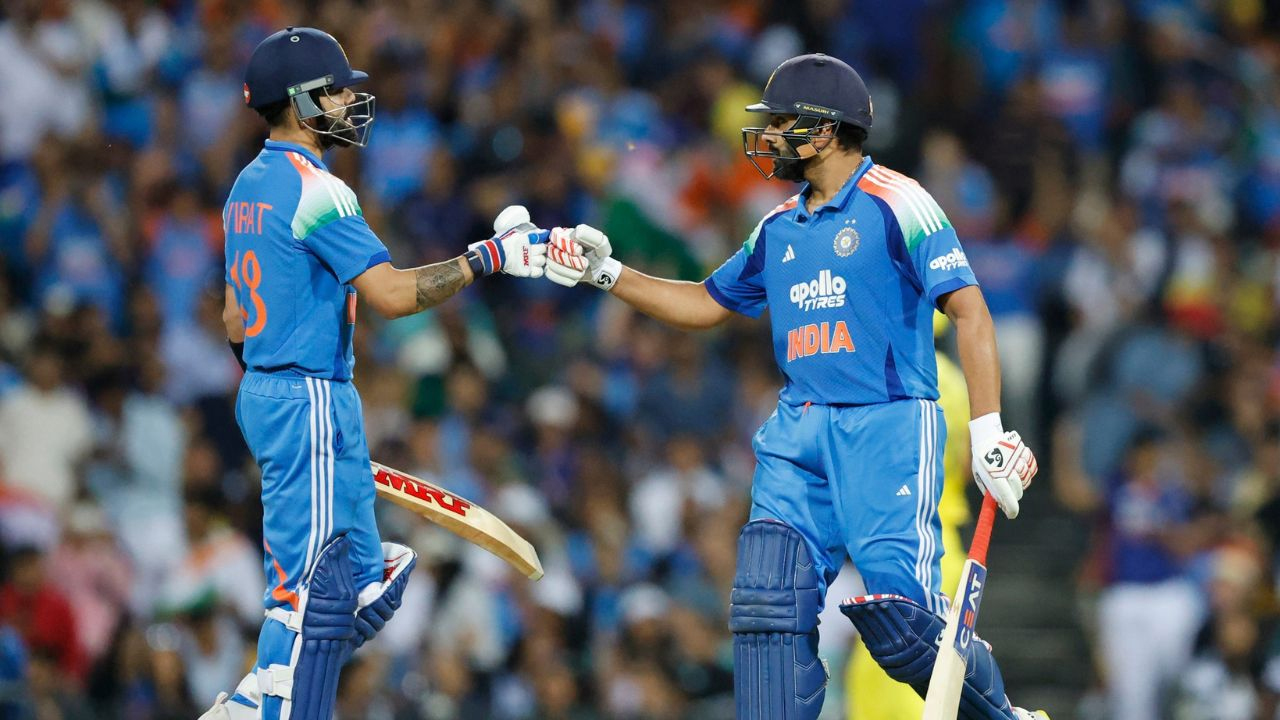
The significance of that lone blot becomes clearer when viewed through the lens of the 2024–25 Border-Gavaskar Trophy. India’s 1-3 defeat in Australia marked the end of Test careers for Virat Kohli and Rohit Sharma, while R Ashwin had already retired midway through the tour.
Questions around Kohli and Rohit’s ODI futures lingered through the year, even though both sent a strong message by featuring in domestic cricket as mandated by the BCCI. Another pillar of India’s Test batting, Cheteshwar Pujara, also formally bowed out, leaving a void in the middle order that has since struggled to find stability.
India’s new World Test Championship (2025–27) cycle began under the leadership of Shubman Gill and a group of emerging players, but results have been mixed. The start, however, was promising.
A youthful Indian side drew a demanding five-Test series in England 2-2, with Gill leading from the front. He amassed 754 runs at an astonishing average of 75.40, including four centuries, second only to Don Bradman’s tally for a Test captain. That momentum carried into a comfortable 2-0 home series win over West Indies, suggesting a smooth transition into a new era.
But Test cricket has a habit of exposing unresolved flaws. South Africa’s series win in India ended a 25-year drought, with off-spinner Simon Harmer ruthlessly exploiting India’s growing vulnerability against spin. The defeat echoed India’s struggles against New Zealand spinners at home the previous year, revealing a recurring weakness that once seemed unimaginable on Indian pitches.
India’s inability to chase even modest targets underscored the depth of the problem. Slipping to sixth on the WTC points table, and with difficult tours of Sri Lanka and New Zealand scheduled in 2026, a place in the final now appears a distant goal unless bold decisions are taken.
White-ball dominance and women’s rise
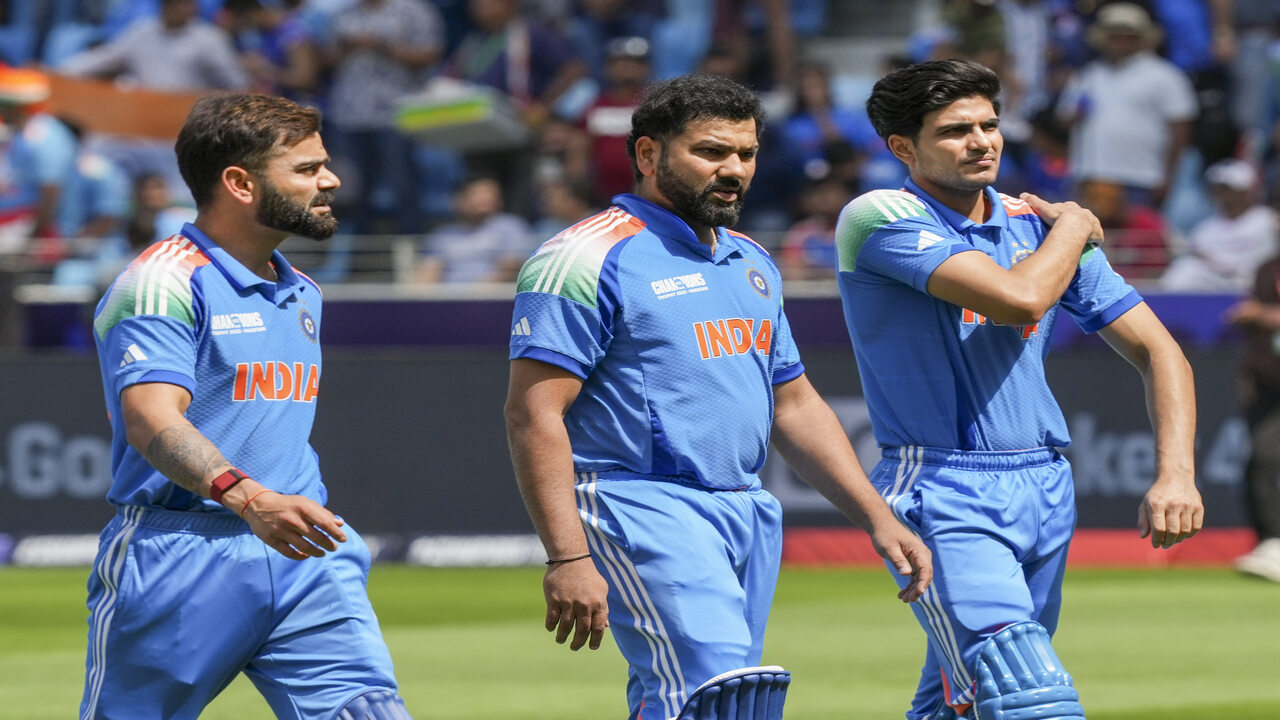
If red-ball cricket brought discomfort, white-ball formats offered reassurance. India went unbeaten in both the Champions Trophy and Asia Cup in Dubai, reinforcing their supremacy in ODIs and T20Is and providing Gambhir some breathing room after Test setbacks.
The year, however, truly belonged to the women. The Under-19 team defended their T20 title early in the year, setting the tone for a historic senior campaign. Led by Harmanpreet Kaur, India conquered long-standing hurdles by defeating Australia and New Zealand before overcoming South Africa in the final to claim their maiden ICC World Cup.
The triumph has already sparked tangible change, higher domestic match fees, fresh endorsements, and renewed visibility, signalling a brighter future for women’s cricket.
Off-field upheaval and heartbreak
Away from the pitch, Indian cricket witnessed administrative change. Mithun Manhas replaced Roger Binny as BCCI president, while several state associations saw leadership reshuffles, with former cricketers like Sourav Ganguly and Venkatesh Prasad returning to administrative roles.
Diplomatic tensions with Pakistan also spilled into cricketing affairs following the Pahalgam terror attack. Indian players refused post-match handshakes and declined the Asia Cup trophy presentation, leading to the silverware being locked away by Asian Cricket Council chief Mohsin Naqvi in Dubai.
The year ended on a tragic note when Royal Challengers Bengaluru’s long-awaited IPL triumph turned into a catastrophe. Eleven fans lost their lives, and dozens were injured in a stampede during victory celebrations near the M Chinnaswamy Stadium. The incident exposed glaring gaps in crowd management and stadium safety, casting a long shadow over Indian cricket’s biggest celebration.
(By PTI Inputs)
Also Read: Domestic cricket reality check: Virat Kohli, Rohit Sharma's Vijay Hazare Trophy pay revealed
