


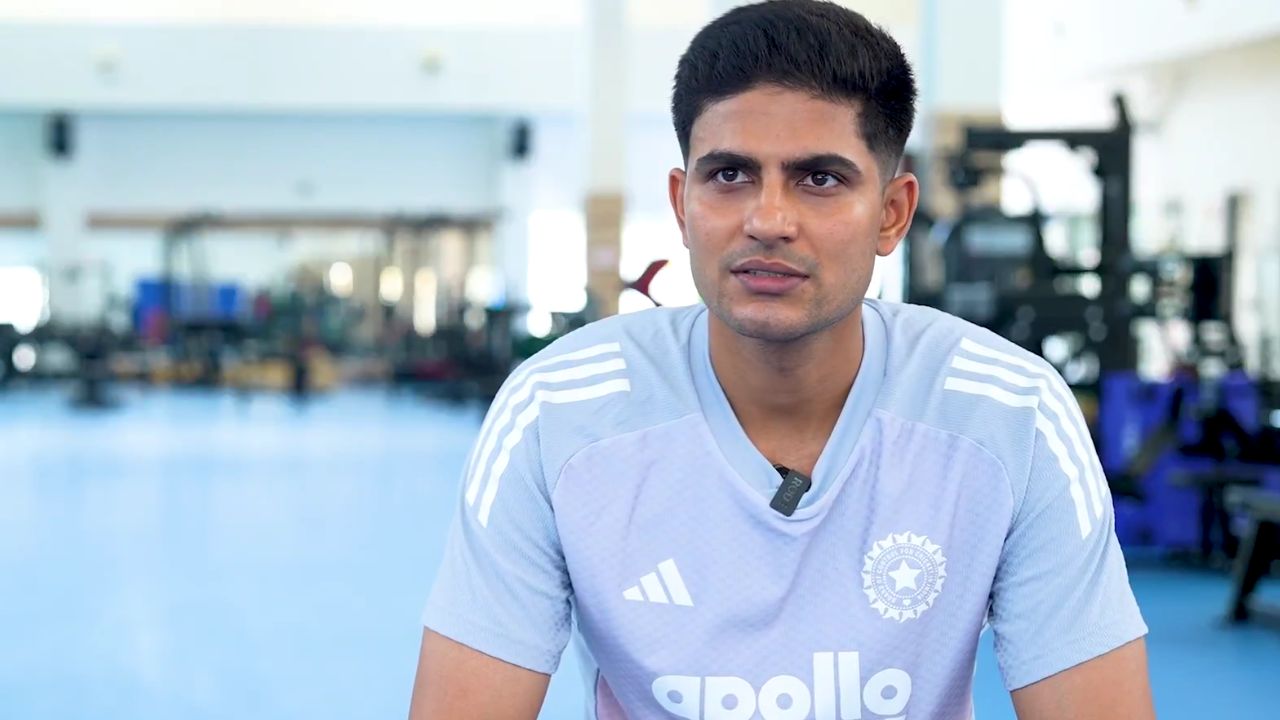
Shubman Gill’s omission from India’s T20 World Cup squad may have been officially announced on Saturday, but the decision was effectively made three days earlier — when the fourth T20I was washed out due to thick smog.
Also Read: India T20 World Cup 2026 squad: Who's in, who's out from 2024 World Cup team
That was when the selectors and team management closed the door on Gill’s T20 World Cup prospects. Yet, until the squad announcement, India’s two-format captain was neither informed by chairman of selectors Ajit Agarkar nor briefed by captain Suryakumar Yadav or head coach Gautam Gambhir, according to a BCCI source.
How Shubman Gill’s exit was quietly engineered
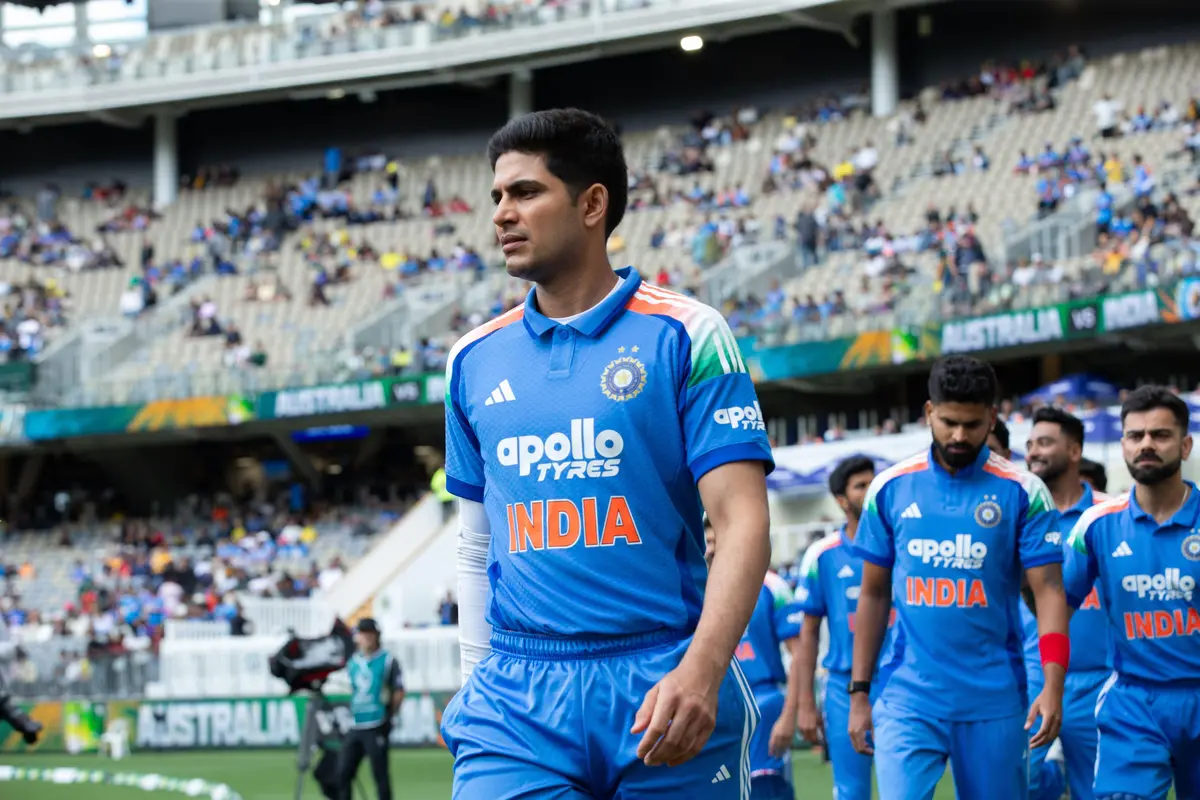
While Suryakumar, despite a prolonged slump, was granted a reprieve, Gill’s removal appears to have been abrupt and clinical. Once news emerged that Gill had injured his toe while batting, it became evident that the management had already begun to move on.
Sources suggest Gill was keen to play the Ahmedabad T20I, with the injury not considered serious. Initially, medical staff suspected a hairline fracture, but scans later revealed only a bruise — an issue manageable with painkillers. Despite this, the decision was taken to rest him, effectively clearing the path for his exclusion.
That call was widely viewed as the first clear signal of an exit route being created for the underperforming vice-captain, who had managed just 32 runs across three matches in the series. The decision, insiders believe, had already been sealed well before the squad announcement.
A former national selector told PTI that the move appeared to be a course correction rather than a spontaneous call. “If making him vice-captain for the Asia Cup on the back of his England Test heroics was a mistake, then dropping him just five games before a T20 World Cup suggests a rethink,” the selector said, adding that the decision bore the imprint of a head coach “not known for continuity.”
Interestingly, Agarkar himself appeared unconvinced while explaining Gill’s omission. The chief selector has long viewed Gill as a potential all-format leader and stopped short of questioning his ability.
“We know what a quality player he is, but perhaps he’s short of runs at the moment,” Agarkar said. “It’s more about combinations. We want two wicketkeepers at the top. Someone has to miss out, and unfortunately, it’s Gill.”
A closer look at the numbers only adds to the intrigue. In 2025, Gill scored 291 runs from 15 T20 innings at a strike rate north of 137. Suryakumar, meanwhile, managed 218 runs from 19 innings at a strike rate of 123.2 — his poorest return since making his international debut.
There have also been murmurs within the team setup about concerns over the Indian captain’s right wrist. Yet, when forced to choose between two out-of-form players, the committee leaned on a familiar principle — captains are rarely expendable.
Gill, despite stronger numbers, paid the price. His game, when compared to opening partner Abhishek Sharma, was deemed less impactful in the power-play-heavy template India now favours.
What complicates matters further is Gill’s continuing leadership role in Tests and ODIs. His sudden dumping from the T20 side risks sowing seeds of mistrust within the dressing room, especially given the manner in which the decision unfolded.
The bigger question now is whether Gill and Gambhir can truly see eye to eye going forward. And if Suryakumar’s lean run continues, the immunity that comes with captaincy may not last forever.
In Gambhir’s cricketing philosophy, winning isn’t everything, it’s the only thing. Today it was Gill. Tomorrow, it could just as easily be the captain himself.
(By PTI Inputs)
