


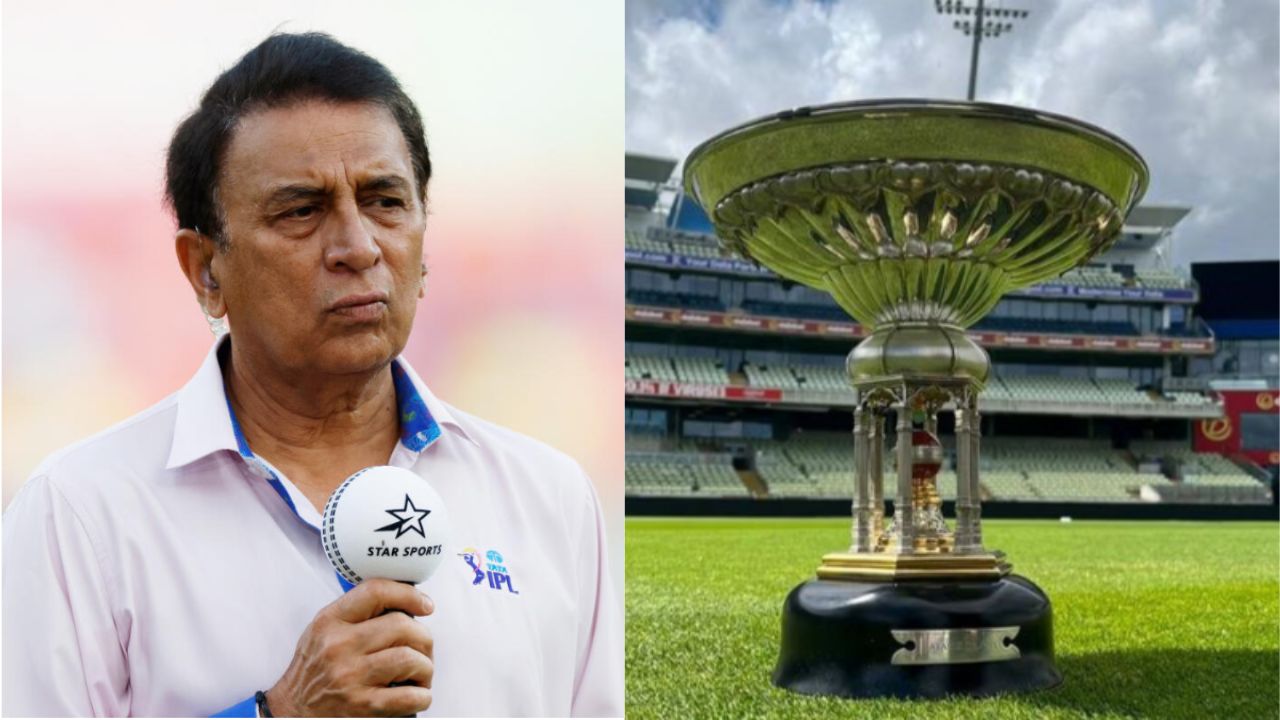
Former India captain Sunil Gavaskar has taken a sharp swipe at the International Cricket Council (ICC) over its decision to place India and Pakistan in the same group for the upcoming ICC Men’s T20 World Cup 2026. The 20-team tournament is scheduled to begin on February 7 and conclude on March 9.
India and Pakistan have repeatedly been grouped together in ICC events in recent years, a move that invariably guarantees at least one high-profile clash between the arch-rivals. While the fixture generates massive viewership and ticket sales, Gavaskar believes the ICC’s motives are driven more by commercial gains than sporting integrity.
Gavaskar also pointed out that India and Pakistan have once again been handed a relatively easy group. Alongside the two heavyweights in Group A are Namibia, the Netherlands and the USA, opponents the former opener feels significantly boost the chances of both teams progressing to the next round.
Also Read: Manoj Tiwary calls for Gambhir’s exit if India fail to defend T20 World Cup title
“As always in recent World Cups, India and Pakistan are not only placed in the same group to ensure at least one clash between the traditional rivals, but are also invariably put in a fairly easy group to qualify for the next round. So the real battle could well start from the following stage of the tournament,” Gavaskar wrote in his column for Sportstar.
However, Gavaskar warned against underestimating the USA, who stunned Pakistan in the previous edition of the T20 World Cup via a Super Over during the group stage. He believes the American side has grown stronger since then, thanks largely to the exposure their players have gained in Major League Cricket.
“The USA have improved since that famous win over Pakistan. Their players have benefitted immensely from rubbing shoulders with some of the best cricketers in the world in Major League Cricket,” Gavaskar noted.
He further highlighted how franchise leagues have helped players from associate nations shed the intimidation factor when facing established cricketing powers.
“The best part of these leagues is that they remove the awe factor players from emerging nations often feel. Sharing dressing rooms, watching how top players prepare and deal with failure, these are lessons no classroom can teach. That first-hand experience is what helps elevate their game,” he added.
