


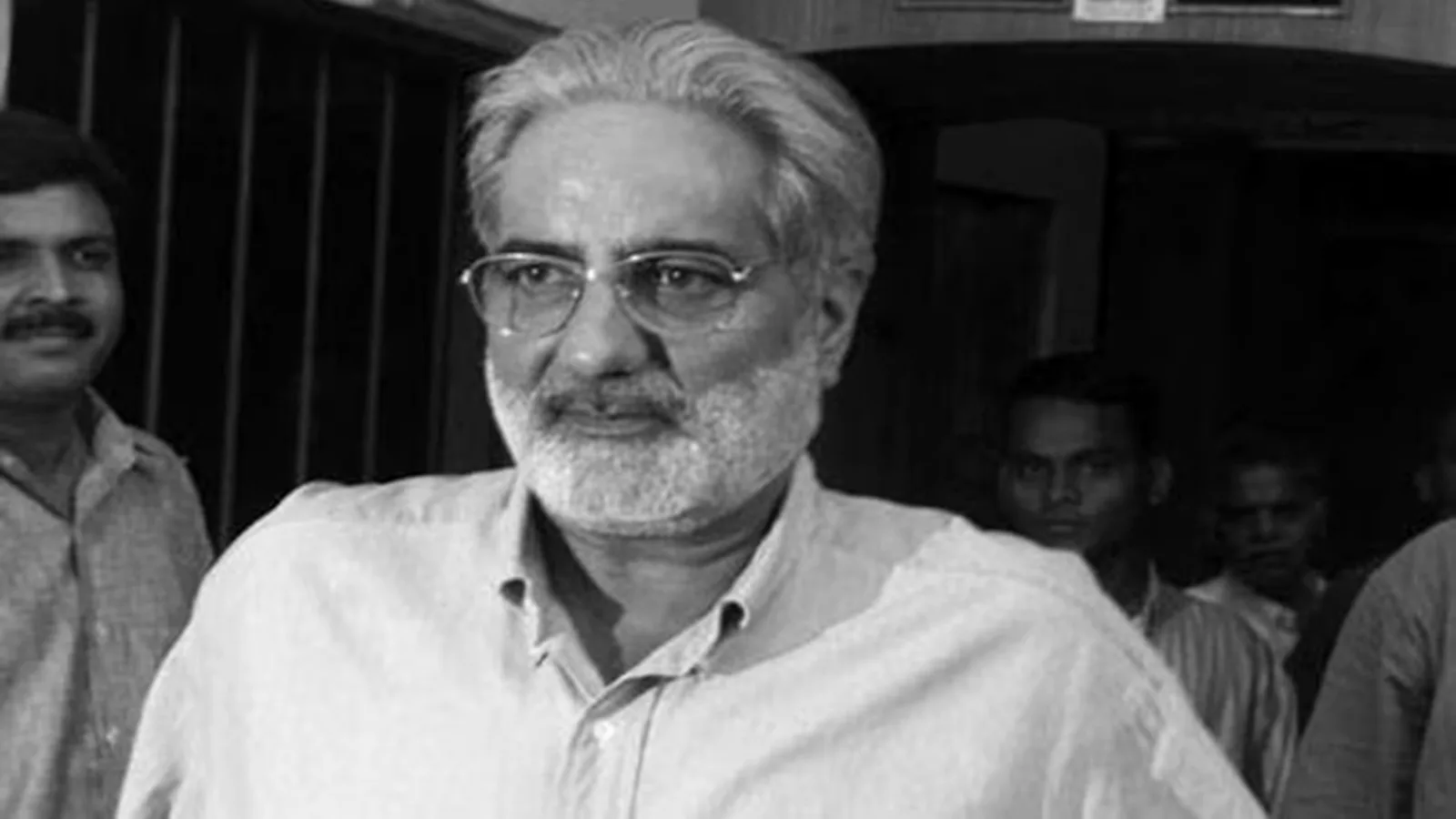
Former BCCI president Inderjit Singh Bindra, one of the key architects of modern cricket marketing in India, passed away here on Sunday. He was 84. Bindra is survived by a son and a daughter.
A towering figure in cricket administration, Bindra served as the president of the Board of Control for Cricket in India (BCCI) from 1993 to 1996 and led the Punjab Cricket Association (PCA) for an extraordinary 36 years, from 1978 to 2014. In recognition of his immense contribution, the PCA Stadium in Mohali was renamed the IS Bindra Stadium in 2015.
International Cricket Council chairman Jay Shah paid tribute to Bindra, calling him a “stalwart of Indian cricket administration.” In a post on X, Shah wrote: “Deepest condolences on the passing of Mr. I S Bindra, former BCCI president and a stalwart of Indian cricket administration. May his legacy inspire future generations. Om Shanti.”
Bindra’s association with cricket administration began in 1975, but he is best remembered for the transformative role he played in organising the 1987 World Cup, then known as the Reliance Cup. Along with his close associate Jagmohan Dalmiya and then BCCI chief NKP Salve, Bindra successfully ensured that the tournament was hosted in India — the first time the World Cup was staged outside England.
That decision proved to be a watershed moment. It opened up Indian cricket to unprecedented commercial opportunities and laid the foundation for the explosion of cricket broadcasting and marketing in the country.
Also Read: Carnage! Abhishek Sharma blasts the second-fastest T20I fifty by an Indian batter
In 1994, Bindra took a bold step by approaching the Supreme Court of India to challenge Doordarshan’s monopoly over cricket broadcasting. The landmark verdict that followed paved the way for global broadcasters such as ESPN and TWI to enter the Indian market, which would soon become the most lucrative cricket television market in the world.
After stepping away from domestic administration in 2014, Bindra served as principal advisor to the International Cricket Council during Sharad Pawar’s tenure as ICC president.
His career, however, was not without controversy. Bindra faced criticism for backing Lalit Modi in the aftermath of the IPL spot-fixing scandal, a stance that attracted widespread disapproval. He also played a key role in the appointment of Haroon Lorgat as Cricket South Africa’s CEO, a move that drew mixed reactions within the cricketing fraternity.
Despite the controversies, Bindra’s influence on Indian cricket remains undeniable. From breaking broadcasting monopolies to reshaping the commercial landscape of the sport, he stood as one of the most influential administrators in Indian cricket history.
(By PTI Inputs)
