

Match 15 · Moosa Cricket Stadium
 MW
HR
MW
HR
Match abondoned
Match 14 · Moosa Cricket Stadium
CW
WDE
Match abondoned
Match 13 · Moosa Cricket Stadium
HR
LVA
Match abondoned
Match 12 · Moosa Cricket Stadium
MW
NYL
Match abondoned
Match 1 · Moosa Cricket Stadium
HR
NYL
Match abondoned
Match 2 · Moosa Cricket Stadium
MW
LVA
Match abondoned
Match 3 · Moosa Cricket Stadium
NYL
WDE
Match abondoned
Match 4 · Moosa Cricket Stadium
HR
CW
Match abondoned
Latest Articles
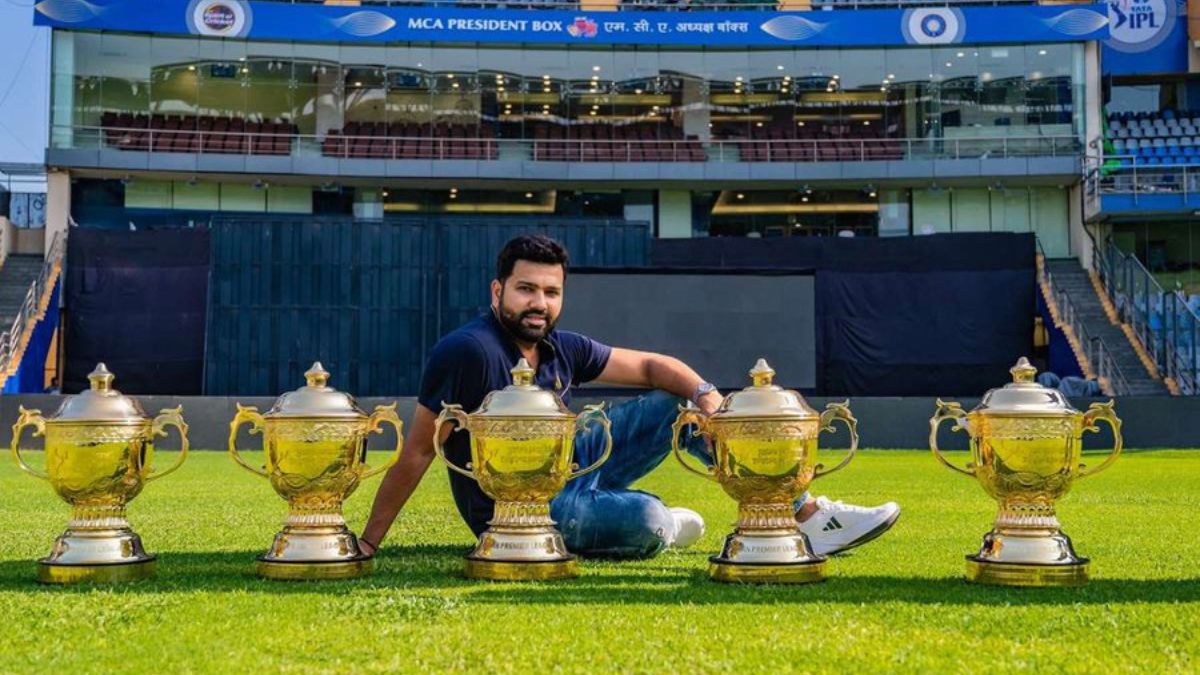
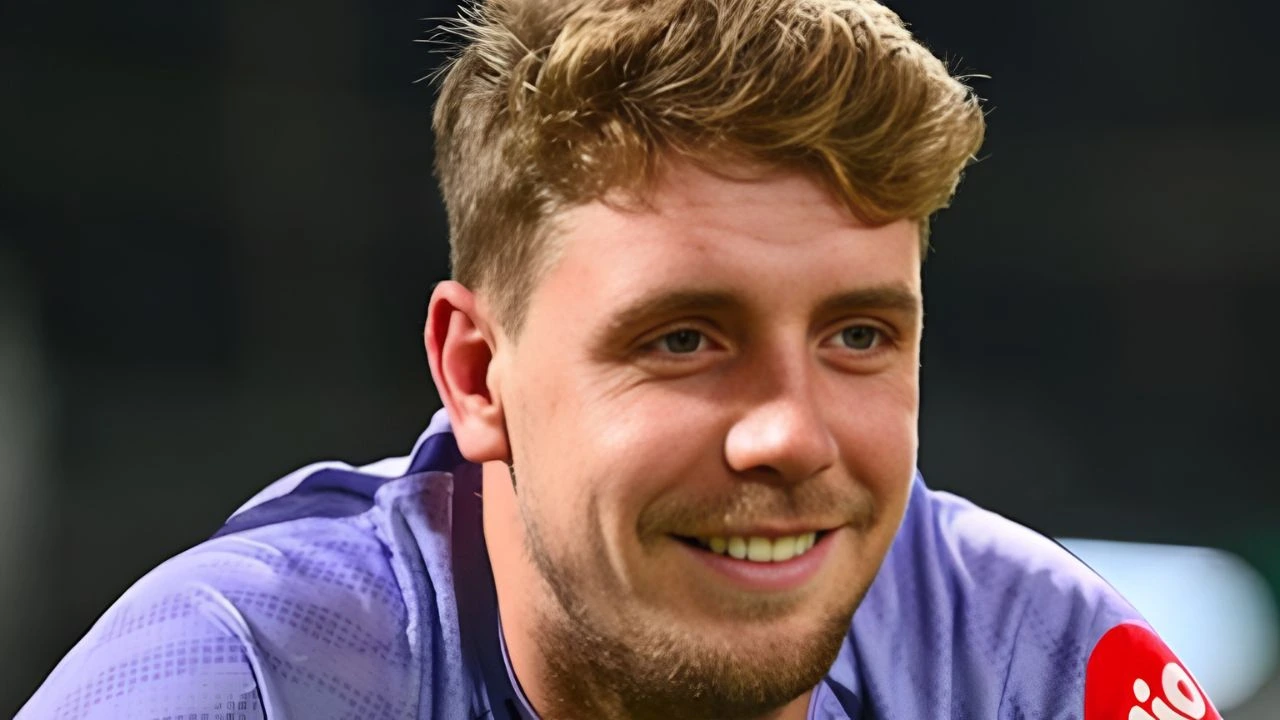
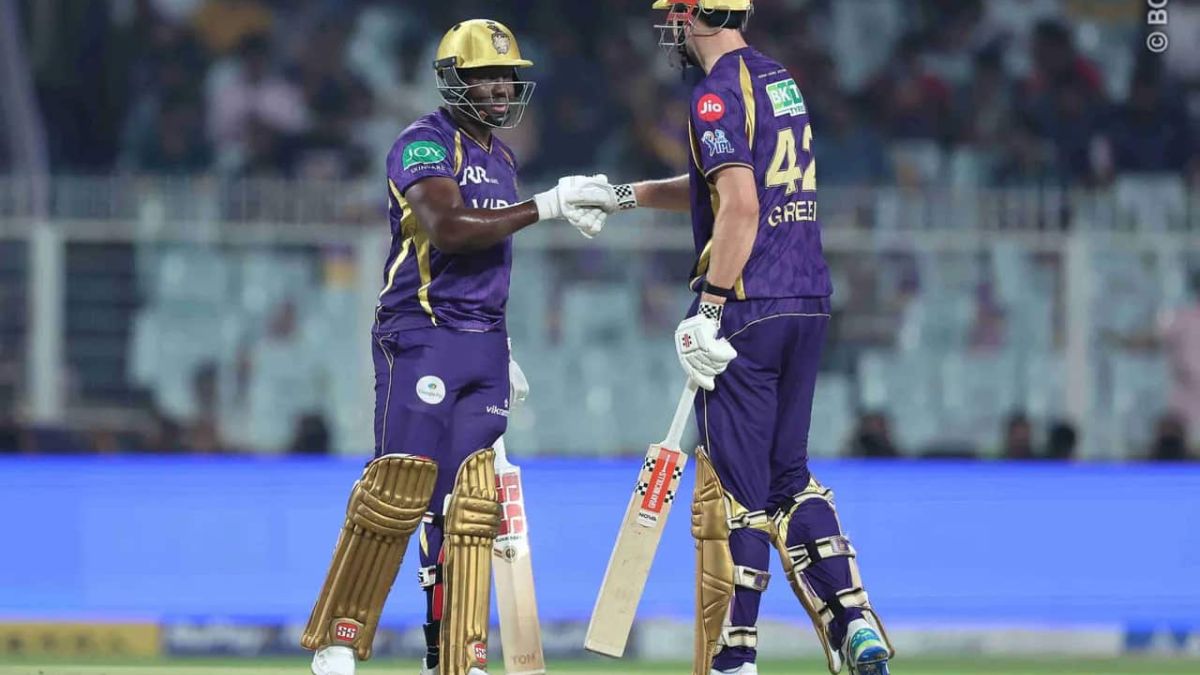
A chilly morning in 2011 saw a newcomer from Mumbai step onto the field at Arun Jaitley Stadium, clad in Blue & Gold. That first innings brought just 27 runs, nothing flashy. Yet behind those numbers began a shift, quiet at first, then undeniable, reshaping what the Mumbai Indians stood for. Not fireworks. Just a steady presence, growing louder over the years. Fifteen winters gone, Rohit "The Hitman" Sharma isn’t merely on the field; he’s built something lasting. This is how one man shaped a team until it moved like thunder across the pitch. Rohit Sharma: The Architect of MI’s Dynasty Midway through 2013, when Rohit Sharma stepped into the leadership role, the Mumbai Indians already brimmed with big names yet felt directionless. Right away, he shifted things not by spotlighting talent, but by weaving together teamwork, confidence, and quiet faith among players. Five wins, zero losses, that's his mark in IPL title matches, unmatched by any skipper before. When the tension peaked in 2017, just a single run made the difference, yet he stayed steady. By 2020, it wasn’t close; dominance took over. Pressure never seemed to shake him. Calmness like that turned into Mumbai’s secret weapon when everything was on the line. That glass case full of silverware? It filled up fast when Rohit Sharma took charge. Five Indian Premier League trophies arrived under his watch, followed by a global T20 title on foreign soil. He steered the ship through 87 victories, more than any skipper before him. His name now sits at the top of the team's record books. Also Read: “For my father and Dhoni”: Mukul Choudhary’s knock that felt written by destiny The Record-Breaker: Ro-hit Sharma By April 2026, Rohit Sharma will keep setting marks instead of fading into history. He stays ahead through constant performance rather than past fame. At the top of the charts, he owns the most runs ever for the Mumbai Indians. Just lately, one of just two batters to hit 7,000 in IPL history. Achieved just seven days ago, surpassing Virat Kohli's lasting mark, the highest run tally versus one team now stands at 1,161, all piled up against KKR. He's taken more Player of the Match honours than anyone else on the team. Games have slipped from opponents’ grasp just because he stepped onto the field. What matters most isn’t stats, it’s how often victory followed his name. Rohit Sharma’s legacy beyond numbers 𝐎𝐮𝐫 राजा. 𝐎𝐮𝐫 𝐑𝐨. 𝗘𝘀𝘁𝗱 𝟚𝟘𝟙𝟙. 💙#OnThisDay, आपला Rohit Sharma made his #TATAIPL debut! 👑 pic.twitter.com/8lv6q2Rmmg — Mumbai Indians (@mipaltan) April 10, 2026 He leaves behind more than big hits or smart plays. What sticks is how he lifted others along the way. Names like Hardik Pandya guided early, then Jasprit Bumrah, polished under pressure. Lately, a quiet shift: shedding weight, nine kilograms gone. Age thirty-eight, yet moving lighter, sharper. All done without noise, just steady work. His time there measured not in trophies but trust passed on. Out there at the Wankhede, voices rise, not only for a player but for someone who shaped more than matches. A decade and a half unfolded in those cheers, where triumph wasn’t just chased but planted deep. He showed a place unused to glory how victory feels, then stayed long enough to turn it into a habit. What began as hope now stands firm, carried forward by echoes that remember every step.
| No | Team | M | W | L | PTS |
|---|---|---|---|---|---|
| 1 |
CW
|
0 | 0 | 0 | 0 |
| 2 |
HR
|
0 | 0 | 0 | 0 |
| 3 |
LVA
|
0 | 0 | 0 | 0 |
| 4 |
MW
|
0 | 0 | 0 | 0 |
| 5 |
NYL
|
0 | 0 | 0 | 0 |