


NEW DELHI: Geopolitics is once again reshaping the cricketing landscape in the Indian subcontinent. For decades, political tensions in the region were primarily seen through the lens of India-Pakistan relations - but that framework no longer fully applies.
Lingering diplomatic and political disputes have now resulted in Bangladesh's withdrawal from the upcoming T20 World Cup, scheduled to begin on February 7.
The situation threatened to escalate further when Pakistan Cricket Board chairman Mohsin Naqvi suggested on Saturday that Pakistan's participation in the tournament could hinge on government advice, hinting at a possible boycott in solidarity with Bangladesh.
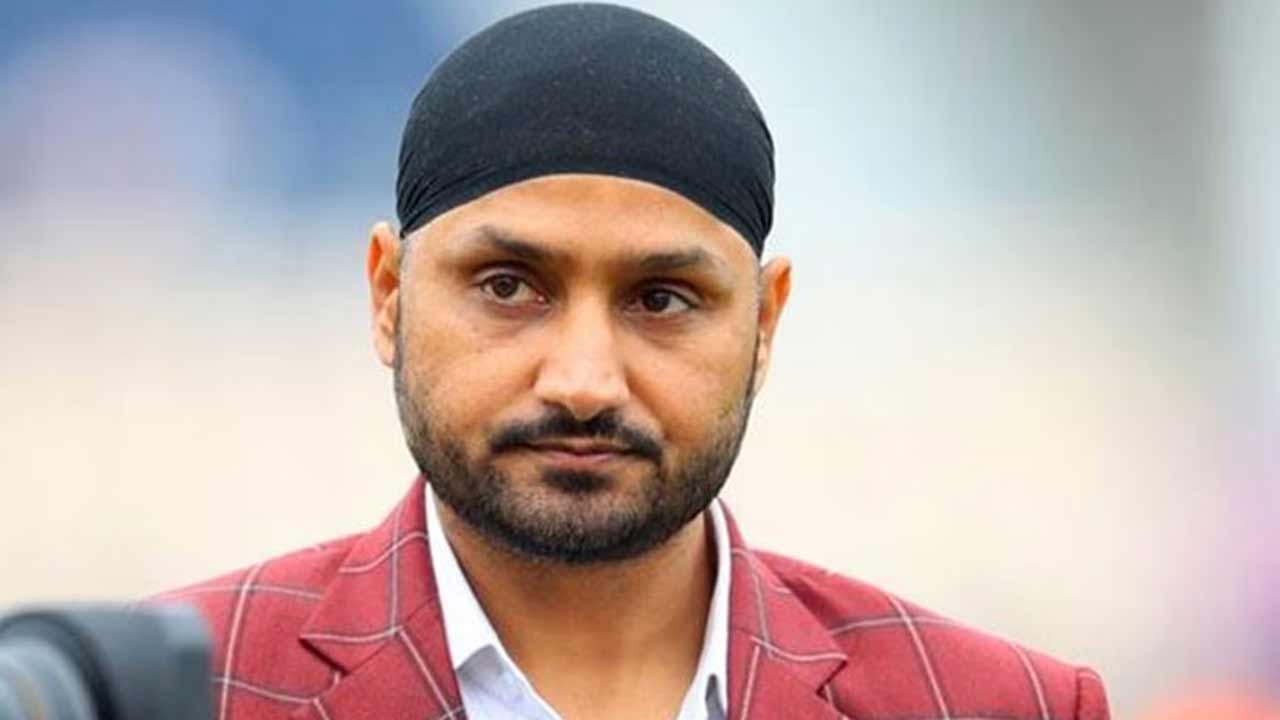
Harbhajan slams PCB
"Pakistan was fishing in muddy waters and trying the game of 2 vs 1. (Pakistan and Bangladesh against India)," former off spinner Harbhajan Singh told PTI.
"They already are playing in Sri Lanka, this wasn't their matter. Why interfere where you are needed? In the end, it is Bangladesh cricket team and its players who are losing. The players missing out on a World Cup participation is massive."
Ultimately, Naqvi's warning amounted to little, as the PCB confirmed its 15-member squad for the T20 World Cup on Sunday. Yet, the episode highlights how political tensions that once primarily affected a single bilateral relationship are now spilling over into other cricketing ties, including those with Bangladesh.
How the India-Bangladesh tensions began
It underscores the extent to which cricket in the Indian subcontinent is entangled with regional diplomatic dynamics. Relations between India and Bangladesh have been under strain since former Prime Minister Sheikh Hasina's dramatic departure from Dhaka and her subsequent move to India.
This political backdrop was accompanied by a rise in anti-India sentiment in Bangladesh, along with reported incidents of violence targeting Bangladeshi Hindus.
For cricket, the first visible signs of strain emerged with the ouster of Mustafizur Rahman from the IPL, apparently as retaliation for the killings of Hindus in Bangladesh. What followed was a battle for reputation for Bangladesh Cricket Board (BCB).
They did not understand why Rahman was pushed out of the League and built their argument of shifting their World Cup matches to Sri Lanka, arguing that their players and others will be unsafe in India.
'It became a matter of ego'
The International Cricket Council, which is now controlled by India, did not accept the argument. Harbhajan said it became "a matter of ego" for the BCB, which erred by adopting an offensive strategy rather than looking for resolution.
"They should have kept the channels open for discussion with the ICC before straightaway saying "no" to coming to India," Harbhajan told PTI.
Bangladesh missed chance to shine on Indian pitches
The spinner also said that Naqvi had no business in throwing a pull-out threat on Saturday. The off-spinner said that from a purely cricketing point of view, Bangladesh team had a better chance of doing well on Indian tracks with quality spinners at their disposal.
"Had the T20 World Cup been played in England or Australia, they didn't even stand a chance but here they could have actually made it to second round and may be cause a few upsets in Super Eights. So it's no one's loss but Bangladesh's."
Despite decades of hostility, India and Pakistan now operate under a formal neutral-venue framework for ICC events.
That arrangement exists precisely because politics has consistently dictated cricketing ties between the two countries. While flawed, it preserves competitive integrity.
Bangladesh, by contrast, has no such institutional protection.
Years of relatively smooth cricketing exchanges with India meant there was never a perceived need for contingency mechanisms. When political relations soured, Bangladesh was left exposed - without fallback options, precedent or leverage.
For Bangladeshi cricket, the cost is immediate - lost World Cup participation, loss of revenue and reduced visibility for players.
(With PTI Inputs)
