


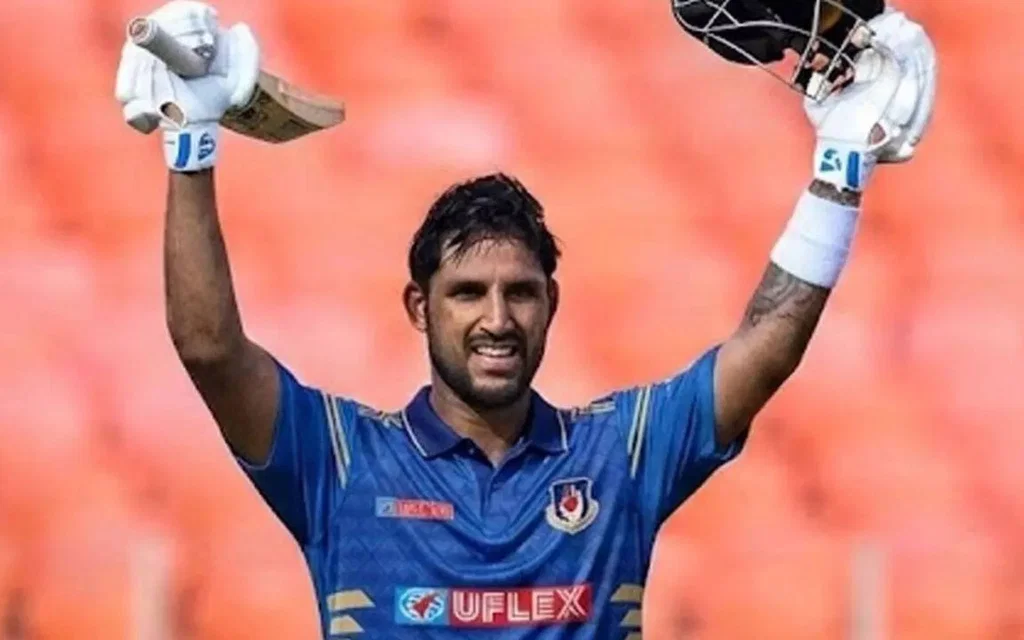
As India prepares to announce its squad for the three-match ODI series against New Zealand starting January 11, attention has turned sharply to the wicketkeeper-batter slot. With reports suggesting Rishabh Pant could miss out and Ishan Kishan in line for a return, another contender has quietly but convincingly entered the selection debate, Dhruv Jurel.
‘Winning is what matters’, says Dhruv Jurel
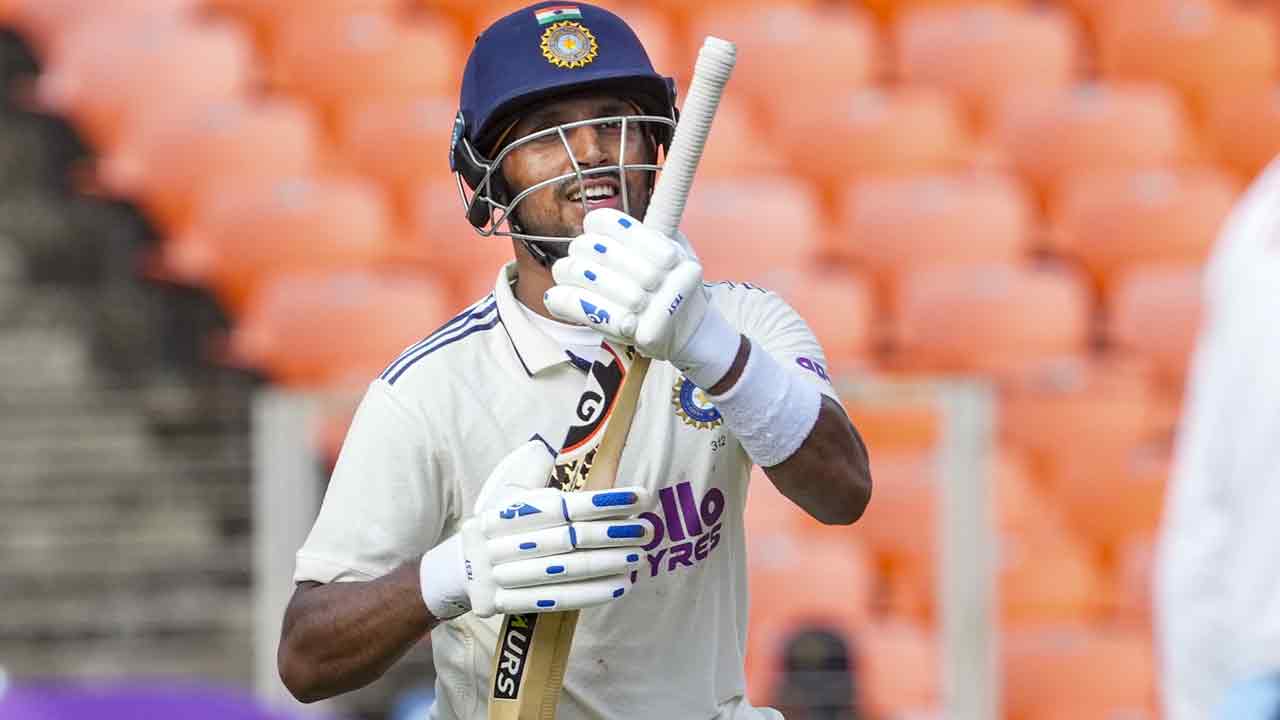
The Uttar Pradesh wicketkeeper-batter made a powerful statement with a breathtaking unbeaten 160 off 101 balls against Baroda in the Vijay Hazare Trophy, forcing selectors to take notice.
Jurel’s blistering innings, featuring 15 fours and eight sixes at a strike rate of 158.42, propelled Uttar Pradesh to 369 for 7, their third-highest total in List A cricket. The knock also etched his name into the record books, becoming the highest individual List A score for Uttar Pradesh, surpassing previous marks held by Aryan Juyal (159) and *Madhav Kaushik (158)**.
Despite the growing buzz around his form, Jurel was quick to downplay personal accolades, insisting that team success outweighs individual milestones.
“Winning is what matters,” Jurel said. “All 11 players work towards one goal. Every contribution counts, someone scoring 30 off 15 balls can be just as valuable as someone scoring 100. Matches are won through team effort, so I’m very happy.”
While India have no Test cricket scheduled for the next seven months, Jurel’s focus extends well beyond white-ball selection. He admitted that red-ball cricket holds a special place for him and continues to drive his preparation.
“Test cricket has its own value,” he said. “When you go abroad and people call you a Test cricketer, it feels good. Red-ball cricket is close to my heart and brings a different kind of respect. I’m already thinking about our series in Sri Lanka in seven or eight months, how I can prepare, how I can handle spin better, the sessions we get with spinners. The planning and visualisation never stop.”
Process over pressure
Jurel revealed that his approach is rooted in process rather than outcomes. Ahead of the Vijay Hazare Trophy, he spent long hours honing his craft, often batting four to five hours at a stretch and simulating match situations in his mind.
“I don’t set too many goals for myself. I focus on the process,” he explained. “Before the tournament, whenever I got time, I was batting for four to five hours and creating scenarios about what I could do. Whatever the result or selection, no one can take my hard work away from me. That’s why I keep working hard, it’s brought me this far and will take me further.”
Also Read: Mohammed Shami back in the frame? What a BCCI source said will surprise you
