


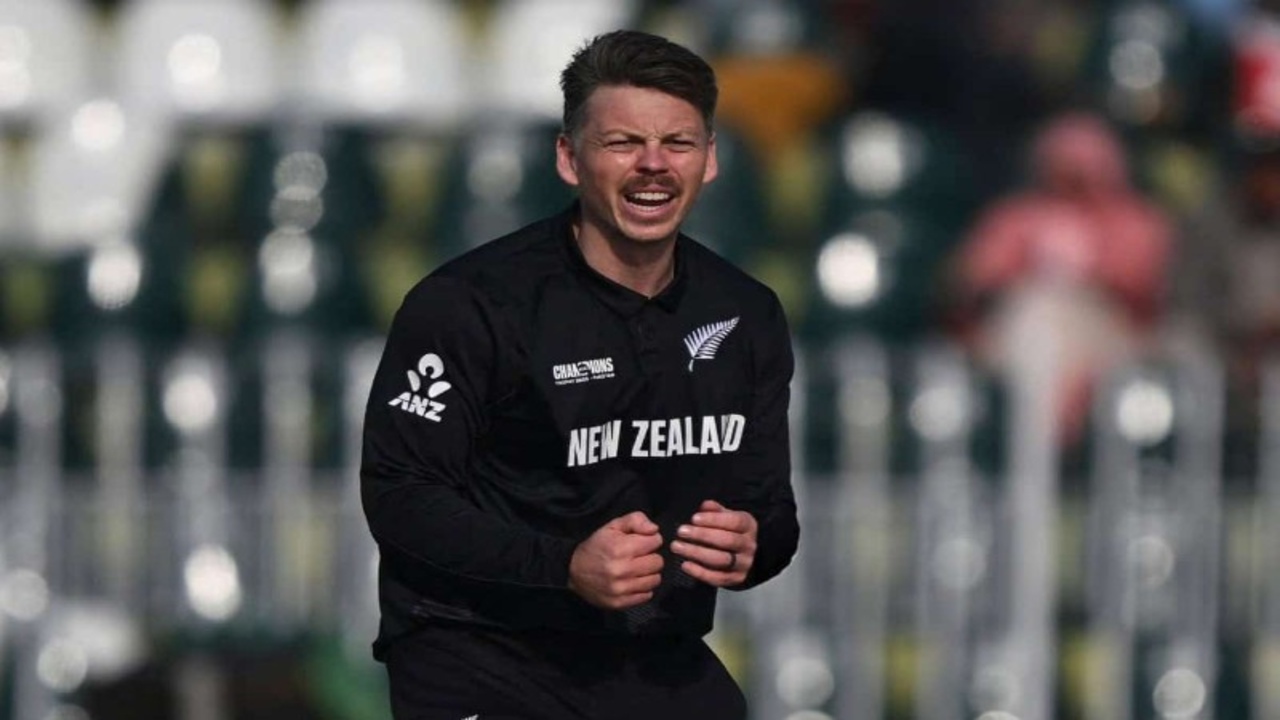
New Zealand’s stand-in ODI captain, Michael Bracewell, has set his sights on achieving what Tom Latham recently managed in Tests; winning a series in India. Tasked with leading a depleted Black Caps side in the ongoing ODI series, with the decider scheduled at Indore, Bracewell finds himself captaining the team in his landmark 100th international limited-overs appearance, a milestone he once never imagined reaching.
“For a long time, I never thought I’d play even one game, so to be standing here on the eve of 100 games is pretty special,” Bracewell was quoted as saying by Otago Daily Times.
The all-rounder made his international debut relatively late, earning his first ODI cap at the age of 31 against the Netherlands in 2022. Reflecting on his journey, Bracewell expressed immense gratitude for every opportunity he has received. “Every one of those games has been a significant achievement. It’s something I go out and play with a lot of pride,” he said.
Now 34, Bracewell admitted that his evolution as a regular bowling option at the international level had taken him by surprise. “Each format brings its own challenges, but one thing I didn’t expect when I was younger was the bowling opportunities I’ve had,” he explained. “I’ve really enjoyed working on that side of my game and understanding how to bowl in different conditions.”
Adaptability, according to Bracewell, has been central to his career progression. “Every format demands something different, and that’s something I’m really proud of being able to adjust and remain effective across formats and conditions around the world.”
With the series finely poised, Bracewell acknowledged the magnitude of the opportunity in front of his team, especially for a side that has never won an ODI series in India.
“It’s a unique chance with the series on the line. Hopefully, we can do the small things well and see where that takes us,” he said. “What we’ve done well so far is focus on what we can control.”
Bracewell highlighted New Zealand’s enterprising brand of cricket, built on smart selections, reading conditions accurately and relentless competitiveness. “In both games, we’ve stayed in the contest for long periods. If we can repeat that process, hopefully we’ll find ourselves on the right side of the result,” he added.
